
The late afternoon sun drapes itself across the polished wooden floor, casting soft shadows on the walls adorned with vibrant pieces of art. Each brushstroke on the canvas seems to pulse with life, inviting the viewer to step closer, to linger a little longer. The air is rich with the scent of fresh coffee, mingling with the warm tones of terracotta pots filled with succulents. In this carefully curated space, every object tells a story, hinting at the relationship between the collector and the artwork.
Art collecting is not merely about acquiring pieces to fill a space; it’s an exercise in authenticity and connection. It’s about tuning into the quiet signals that resonate with your soul. Honesty plays a pivotal role in this journey – owning what you love rather than what is deemed valuable by others. This is a space where personal resonance takes precedence, and every acquisition reflects a decision made from the heart, not just the wallet. As you navigate the nuances of the Scottsdale art scene, remember that this path will offer insights that may even echo back to earlier notes on mastering your approach.
Table of Contents
- What collecting art signals about you
- The gap between surface impressions and reality
- Choosing in a way that still feels honest
- How this choice reshapes the spaces you move through
- Owning your taste instead of chasing trends
What collecting art signals about you
When you surround yourself with art, you are curating a narrative about who you are. Each work reflects your values, aspirations, and experiences, whispering stories to visitors long before they utter a word. People may infer your tastes, interests, and even your worldview from the pieces you choose to display, creating a silent dialogue that speaks volumes about your identity. This connection fosters an atmosphere of intimacy and genuineness, drawing friends and family into an ongoing conversation that transcends the physical act of viewing art.
Engaging with the art community also signals openness and curiosity. The willingness to explore different styles and mediums indicates a quest for understanding and appreciation of diverse perspectives. In Scottsdale, interactions with artists and fellow collectors can spark conversations that deepen your connection to the art, unveil new insights, and inspire future pursuits. It’s the live experience of this culture that turns collecting into not just a hobby, but a way of connecting with others and the world.
Acquiring art is an act of intention, a commitment to cultivating beauty in your life. Each piece serves as a reminder of your journey—moments of joy, discovery, or even reflection on life’s complexities. Consider how you feel when you gaze upon a painting that resonates with you. That feeling is a beacon guiding your collecting choices, ensuring your collection remains cohesive and expressive of your inner self. In a place like Scottsdale, where creativity pulses through the air, this act becomes not just personal, but a cultural statement, aligning you with a broader narrative of artistic expression.
The gap between surface impressions and reality
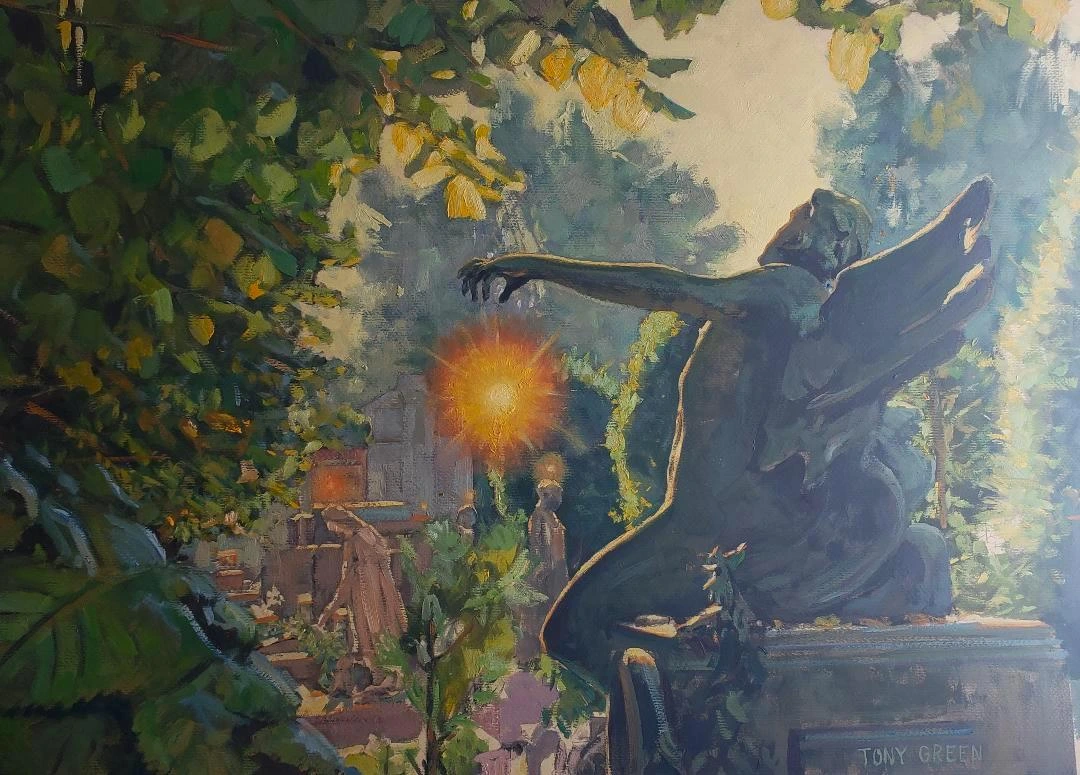
While the allure of art often lies in its surface beauty, a deeper understanding invites a richer connection. The vibrant colors of a painting or the meticulous details in a sculpture can captivate at first glance, but these surface impressions only hint at the layers beneath. Engaging with the story behind an artist’s work—how they arrived at their technique, the influences that shaped their vision—can transform a fleeting moment of admiration into a profound appreciation. When you contemplate a piece by someone like Tony Green, that Renaissance ethos is not just an aesthetic choice; it’s a dialogue with history and technique that enriches the experience.
Art in Scottsdale is a tapestry woven from myriad influences, but the true power lies in understanding the context. Visiting galleries, such as those along Canyon Road, or attending local exhibitions invites exploration of how place, culture, and history converge into artistic expression. Each encounter with a work of art can unravel a narrative that goes beyond the initial visual appeal, revealing the complexities and motivations that drive creation. Such experiences remind us that art is not just about what meets the eye; it’s about the stories we uncover and the emotions we explore.
In the midst of this vibrant artistic landscape, it’s essential to remain aware of the gap between perception and the reality of creating and collecting art. The artist’s intention, the medium’s history, and the piece’s provenance all contribute to its value and significance. Just as a collector invests time in building relationships within the community, they should also seek to understand the deeper connections that exist within the art itself. This continuous journey of discovery fosters a more meaningful collection, transforming each piece into a narrative thread in the broader story of art and life.
Choosing in a way that still feels honest
A genuine connection to art often emerges from an unforced curiosity. Rather than approaching a gallery with the sole intent to purchase, consider immersing yourself in the nuances of each piece. Engage with the artists’ intentions and the emotions embedded in their work. When visiting exhibitions, allow yourself to feel the pulse of each painting, sculpture, or installation. This mindful engagement often leads to a deeper appreciation, which can guide your choices in a way that feels authentic.
As you navigate this artistic journey, reflect on what resonates with your personal narrative. Every piece has a story that interacts with your own, transforming a simple acquisition into a meaningful addition to your life. You might find yourself drawn to a specific style or subject matter that echoes your experiences or aspirations. This alignment can create a more profound bond, rendering the act of collecting not merely transactional but rather an expression of who you are.
When considering works from artists like Tony Green, who utilize classical techniques to evoke timeless beauty, think about how such pieces align with your vision. The classical approach often invites contemplation, making it a powerful addition to any collection. Understanding the origins and techniques behind these works can enhance your appreciation, providing layers that reveal themselves over time.
Engaging with the local art scene often leads to unexpected discoveries. Events and exhibitions allow for personal interactions with artists and fellow collectors, fostering a community rich with dialogue and shared passions. Such connections can provide insights that enrich your understanding, making each decision feel grounded in shared experiences and mutual respect for the craft.
How this choice reshapes the spaces you move through
Selecting art isn’t just about finding a piece that looks good on the wall; it’s an invitation to alter the spaces you inhabit. Each painting or sculpture can infuse your environment with its own energy, influencing mood and atmosphere. Imagine stepping into a room adorned with a vibrant piece by Tony Green—a burst of color and life that invites conversations and contemplation. The right artwork can transform a simple living space into a personal sanctuary, an inspiring workspace, or a backdrop for cherished gatherings.
Consider how these choices affect not only your home but also the way you perceive your surroundings. A well-curated collection encourages you to see beauty in everyday life, prompting a shift in perspective. Walking through Scottsdale, you might find the architecture, landscapes, and community infused with artistic significance, each piece telling its own story and resonating with the local culture. This enhanced awareness can lead to a deeper appreciation for the nuances of both art and environment.
Engaging with art also nurtures connections—between you and the artist, the artwork, and those who share your spaces. Each piece holds memories and emotions, often serving as a conversation starter that brings people together. When exploring the renowned art scene in nearby venues like O’Keeffe Museum, the experience of viewing art becomes collective, intertwining personal stories with broader cultural narratives.
Pro tip: Invest time in understanding the story behind the pieces you choose.
- Research the artist’s background and techniques.
- Attend local exhibitions to interact with art firsthand.
- Involve friends in discussions about art’s impact on your space.
Owning your taste instead of chasing trends
Building a collection that reflects your unique taste rather than the latest fads allows for a more personal dialogue with each piece. As you curate your environment, consider the narratives embedded in the artworks. They don’t simply adorn walls; they resonate with your experiences and aspirations. A thoughtfully chosen painting, such as one by a Venice-based Italian/American Renaissance painter, might evoke the colors of a memorable sunset or the quiet intensity of a cherished moment, anchoring memories in the visual language of art.
The nuances of selecting art demand a discerning eye that appreciates depth over superficiality. Rather than following trends, focus on what stirs your emotions and sparks curiosity. This approach transforms art collecting into an adventure of discovery. When visiting places like Canyon Road, each gallery visit becomes an exploration of your own tastes, inviting you to engage with a multitude of styles and techniques.
As the art scene in Scottsdale flourishes, it’s vital to remain true to your preferences amid the noise of popular opinion. Trust your instincts—if a piece resonates with you, let it find a place in your home. Over time, these artworks will weave together a tapestry of your unique vision, shifting the focus from fleeting trends to lasting connections.
If you want to see the classical approach alive in contemporary work, you can browse the paintings or explore a commission—quietly, on your own terms.
Leave a Reply