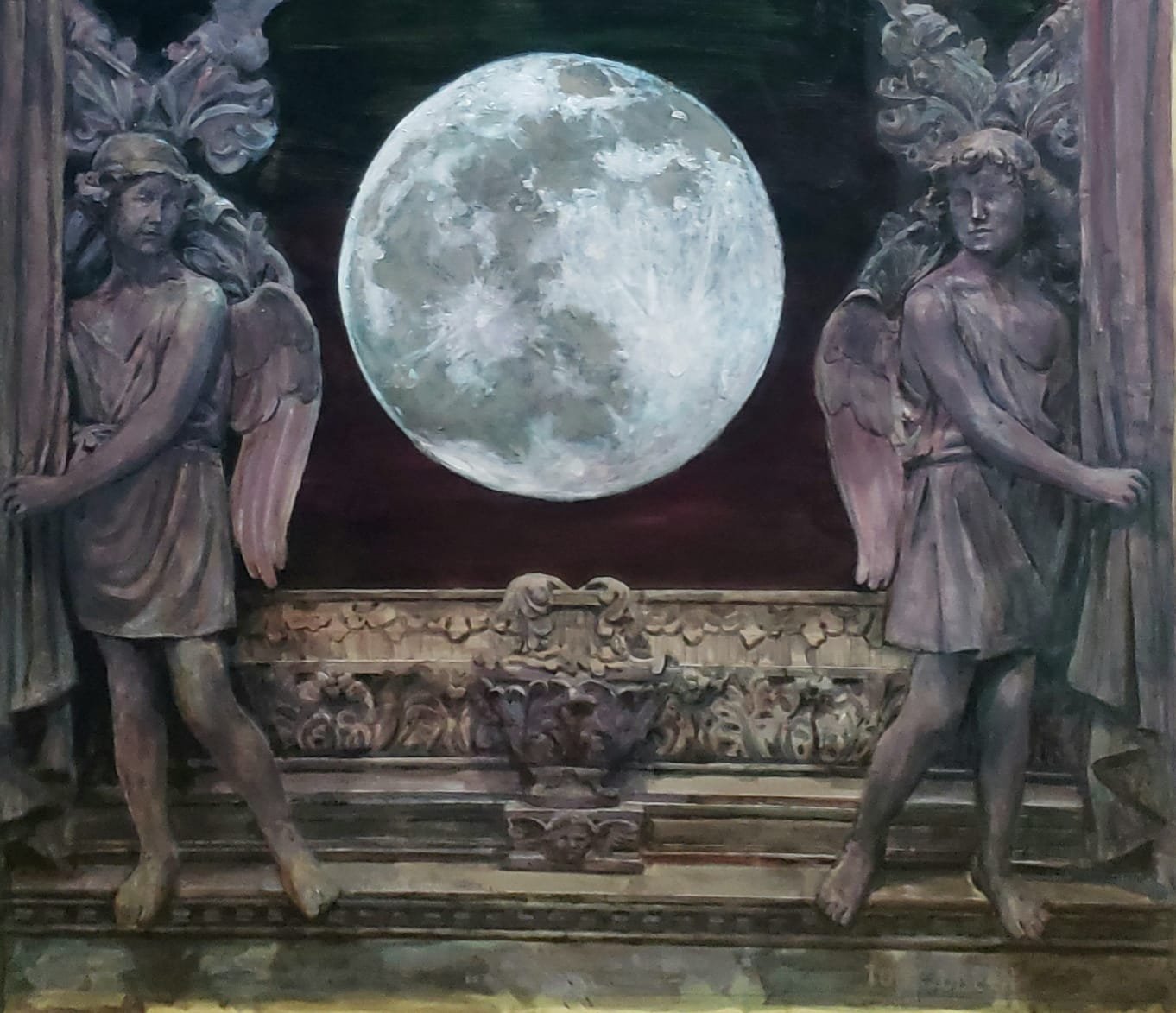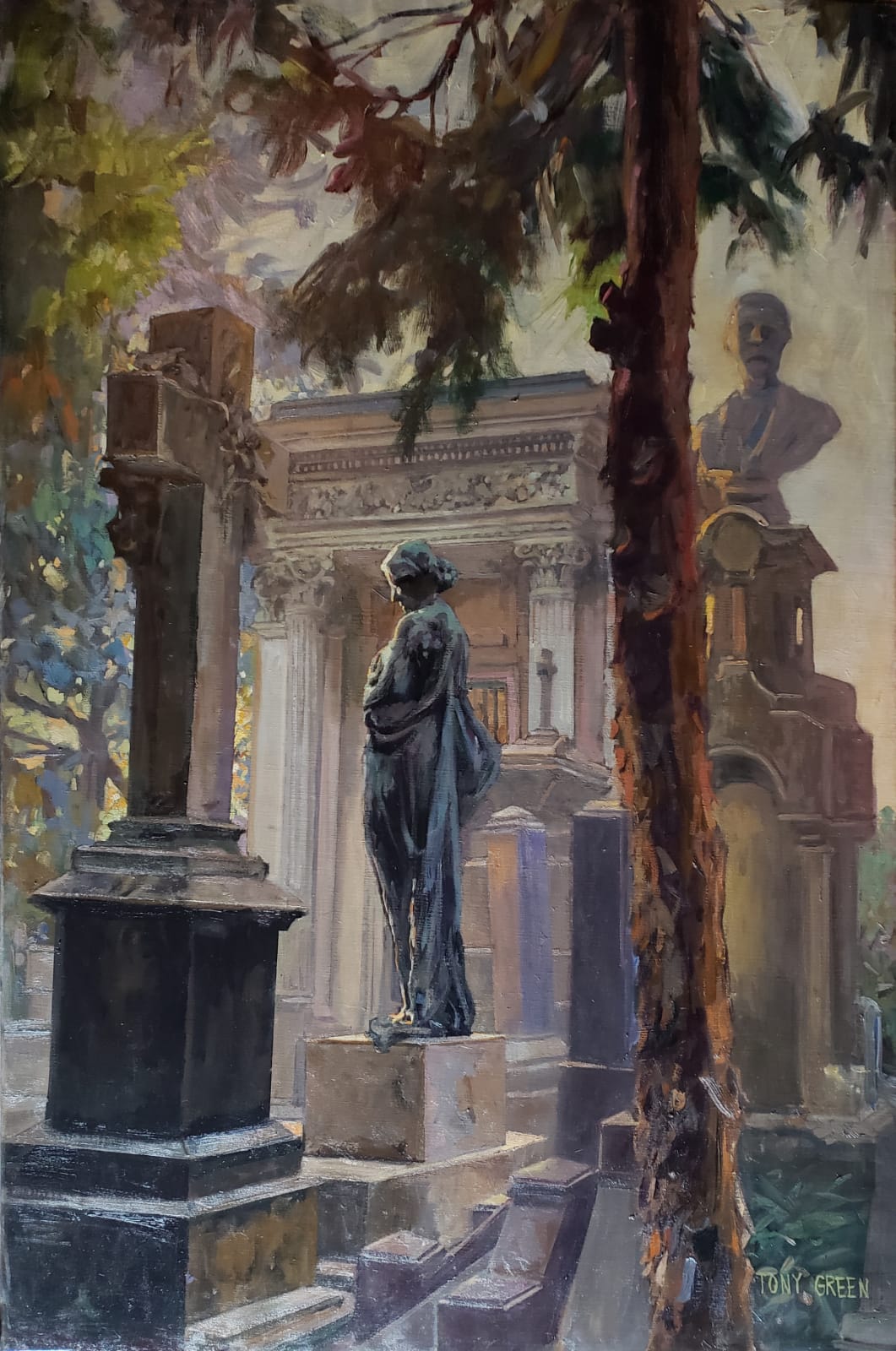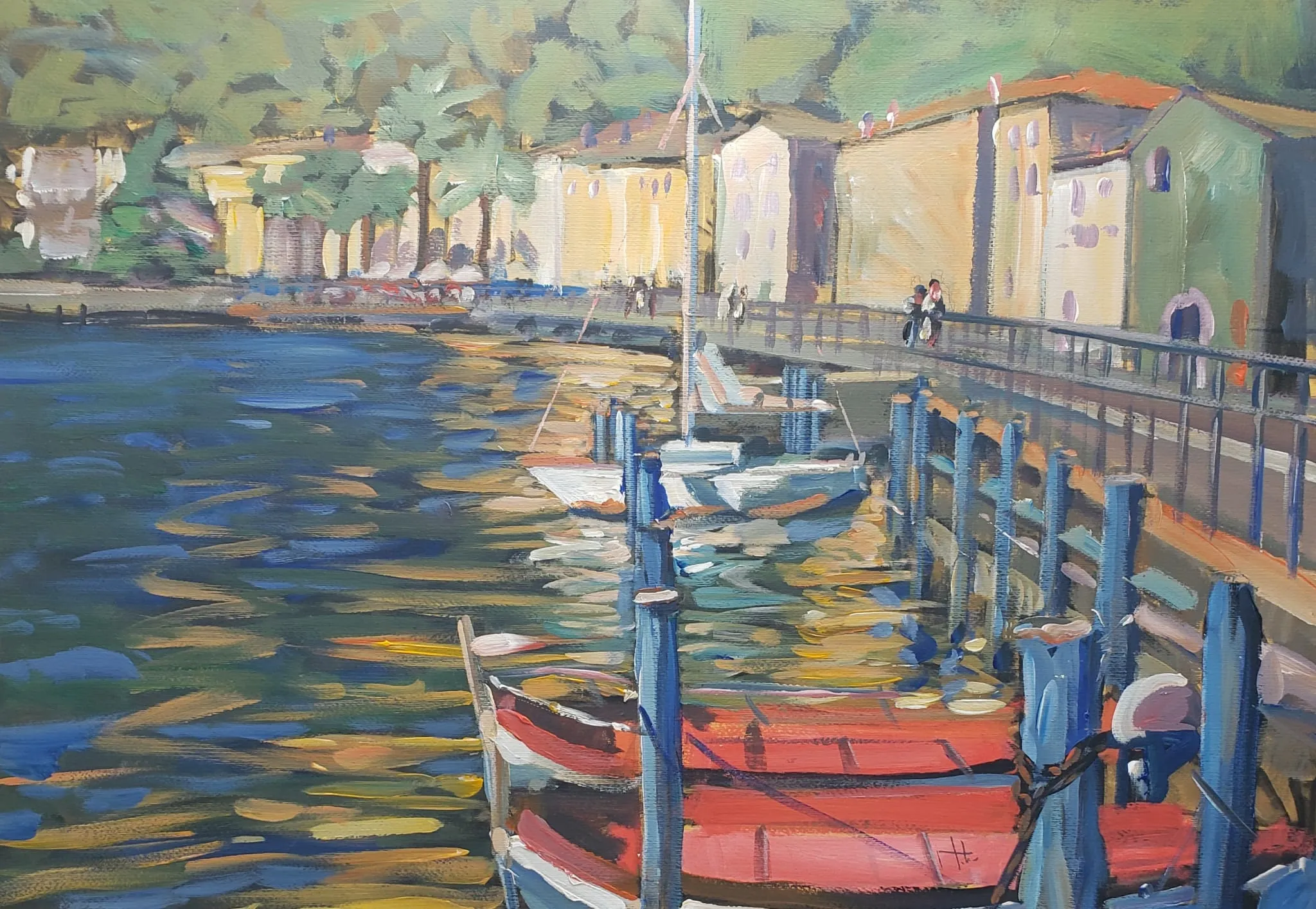
Sunlight pours through the large windows of a Scottsdale gallery, casting soft patterns across the polished wooden floor. Each piece of art hangs with purpose, their colors dancing in the afternoon light—bold splashes of crimson and deep blues that evoke emotion and curiosity. The air is thick with the scent of fresh paint and a hint of varnish, inviting visitors to ponder the stories behind each canvas. As people meander through, they feel the weight of choice in their hearts, caught between a desire for beauty and the quest for genuine connection.
Understanding how to assess value in art in Scottsdale requires more than just an eye for aesthetics; it demands a deep dive into a world where honesty and personal resonance guide the decision-making process. Quiet signals often whisper the essence of a piece—its provenance, technique, and emotional impact, all playing crucial roles in defining its worth. Buyers must approach this journey with open minds, ready to embrace the nuances that separate mere decoration from a heartfelt collection, a distinction that lasts beyond the initial purchase.
As you navigate this vibrant art scene, consider how earlier notes have highlighted the subtle art of discerning value amidst the rich tapestry of Scottsdale’s offerings, leading you toward informed and meaningful choices.
What assess value in art signals about you
The moment a buyer steps into a gallery, the choice of art becomes a reflection of personal identity and taste. Each selection, whether a vivid abstract or a serene landscape, conveys something about the collector’s values, interests, and how they wish to present themselves to the world. By assessing value in art in Scottsdale, buyers engage not only with the work itself but also with the deeper currents of what that work signifies about their own narrative. It’s about recognizing the emotional connection, the story behind the creation, and how it aligns with one’s individual journey.
Condition and originality are pivotal factors in this assessment. A piece’s ability to capture attention over time often hinges on its condition and the artist’s unique style. If a work possesses a strong provenance, a documented history that traces its journey from artist to collector, it enhances both its financial and emotional value. Collectors should consider how these elements meld to create a piece that resonates not just today but also holds meaning for years to come.
The scale of a work can dramatically affect its impact and desirability. Larger pieces often command attention, creating a statement in a room, while smaller works may invite intimacy and personal connection. Buyers should envision how the artwork will fit into their spaces, as this consideration plays a crucial role in making a resonant choice. Ultimately, the art chosen should ignite conversation and contemplation, fostering a lasting bond between the collector and the piece.
Exploring local art markets, such as those found along Canyon Road, can offer insights into emerging trends and established voices. As buyers navigate this rich landscape, they should remain attuned to what their selections communicate about them, aligning personal passion with the intrinsic value of the art itself.
The gap between surface impressions and reality
For anyone considering how to assess value in art in Scottsdale, Fall Art Walk 2026 can make the local art conversation tangible. Notice how the work handles material, scale, and intent, then carry those observations back to the quieter buyer questions of originality, provenance, and whether a piece continues to hold attention beyond its first impression.
Art often evokes an immediate emotional response, a spark that can be mistaken for intrinsic value. In Scottsdale, the vibrant art scene showcases a multitude of styles and forms, each catering to different tastes and preferences. However, this initial allure can mask deeper narratives that are essential for potential buyers. Understanding the intricate layers beyond surface appeal is crucial for anyone looking to assess value in art. The essence of a piece often lies in its history—its creation story, the influences behind it, and its journey through the hands of previous owners.
Many collectors fall into the trap of choosing pieces that fit a trendy aesthetic without considering their long-term value. This is especially pertinent in a marketplace as dynamic as Scottsdale’s, where artistic trends can shift rapidly. For instance, attending events like the local art event can provide valuable insights into current tastes and emerging artists. Engaging directly with the community and witnessing how different pieces resonate with others can help buyers cultivate a more informed perspective.
Moreover, the relationship between artist and audience plays a significant role in valuation. When buyers connect with an artist’s vision, they are often more enthusiastic about their investment. This connection can elevate a piece from a mere decoration to a cherished part of one’s life. Understanding this emotional aspect, paired with practical considerations like condition and provenance, can ensure that collectors make choices that are both personally rewarding and financially sound.
Choosing in a way that still feels honest
When selecting art, especially in a vibrant market like Scottsdale, it’s essential to prioritize authenticity over fleeting trends. This means engaging with the art on a personal level, allowing your values and emotional responses to guide your choices. Instead of solely assessing pieces based on their market potential or the popularity of the artist, consider what resonates with you personally. The goal is to cultivate a collection that speaks to your experiences and aesthetic preferences, thereby creating a meaningful connection with each artwork. This honest approach not only enhances your living space but also deepens your appreciation for the stories each piece tells.
Furthermore, the process of choosing art should reflect your individual taste and the narrative you wish to convey through your collection. Each piece should contribute to a cohesive story, representing a journey of exploration and discovery. For instance, if you find yourself drawn to the work of artist Tony Green, take the time to learn about his techniques and the themes he explores. Understanding the context behind the art adds another layer of connection, allowing you to choose pieces that feel genuine and true to your vision. Ultimately, this thoughtful selection process fosters a collection that is not just about decoration, but about the honest reflection of your identity and values as a collector in Scottsdale.
Pro tip: Always research the artist’s background and the art piece’s provenance.
- Investigate previous exhibitions and accolades.
- Look for any sales history to gauge market demand.
- Consider how the artist’s career trajectory could influence future value.
How this choice reshapes the spaces you move through
Every piece of art tells a story that can resonate throughout your environment, subtly shifting the atmosphere of the spaces you inhabit. Choosing a work that aligns with your aesthetic and emotional values can transform a room, making it feel more personal and inviting. Imagine walking into a sunlit living area adorned with vibrant colors and dynamic forms that speak to your experiences; this artwork does more than just decorate—it invites conversation and reflection, grounding you in a meaningful narrative.
The value of art goes beyond its monetary worth; it also has the potential to enhance your daily life. Art that evokes memories or aspirations can influence your mood and inspire creativity. In a bustling setting like Scottsdale, where the intersection of nature and innovation thrives, selecting pieces that reflect the local culture can create a cohesive aesthetic that feels both unique and harmonious. The choice of art often reflects personal philosophies or aspirations, allowing spaces to articulate who you are.
Moreover, the spaces you curate with your art can serve as a showcase for your evolving taste and connections. By carefully selecting pieces that resonate with your journey, you not only create environments that are visually striking but also rich in narrative. When engaging with fellow collectors or artists at events, the stories behind your art become a point of connection, sparking discussions that deepen your appreciation and understanding, much like the conversations sparked at the O’Keeffe Museum.
The impact of your art choices extends into realms of social interaction and personal expression, shaping how you perceive and engage with the world around you. This interplay between art, space, and self has the power to elevate not just your surroundings, but your entire experience as a collector.
Owning your taste instead of chasing trends
In the vibrant art scene of Scottsdale, the allure of the latest trends can often overshadow the deeper, more personal connection one can have with art. Collectors may feel the pressure to acquire works by artists who are currently in vogue, but true value lies in a collector’s own tastes and preferences. Embracing what resonates personally—whether it be the emotional weight of a piece, the story behind it, or the unique techniques employed by the artist—allows one to curate a collection that is not only meaningful but also enduring. The art you choose should reflect your individuality, becoming a part of your identity rather than a fleeting fashion statement.
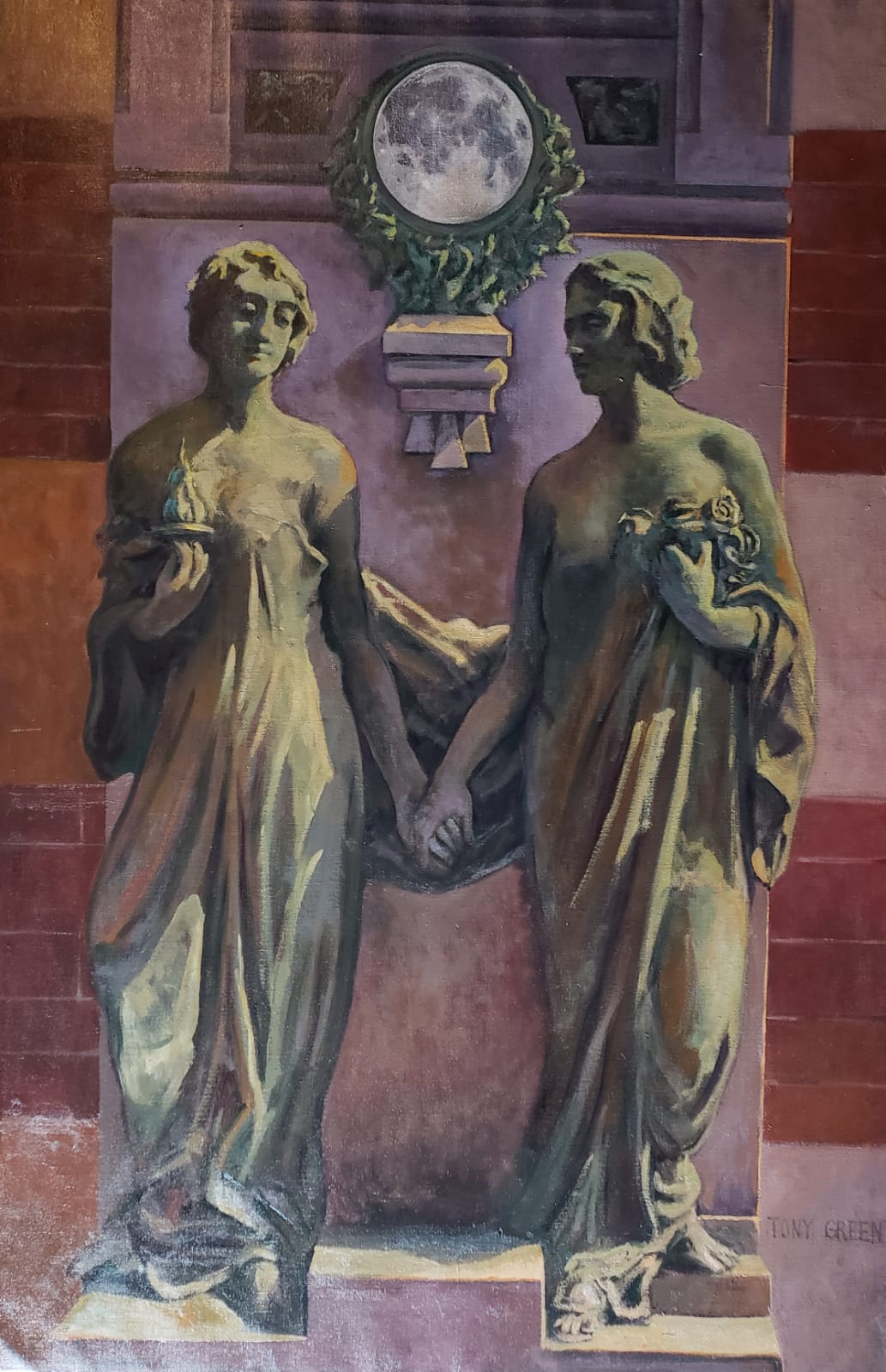
Choosing to own your taste means engaging in a thoughtful evaluation of the art that speaks to you, rather than simply following the crowd. For example, an artist like Tony Green may not be the talk of the town today, but their work could resonate deeply with your personal experiences or aesthetic preferences. Instead of focusing solely on market trends or potential resale value, consider how each piece can enhance your living space and enrich your life. By fostering a collection built on genuine appreciation and understanding, collectors in Scottsdale can create a lasting legacy of art that they truly love, rather than a transient collection driven by fleeting trends.
If you want to see the classical approach alive in contemporary work, you can browse the paintings or explore a commission—quietly, on your own terms.