Sunlight streams through the large windows of a Scottsdale gallery, casting a warm glow on the intricate textures of paintings that grace the walls. Each brushstroke tells a story, inviting observers to lean in a little closer, as shadows dance across the canvases. The air hums with the muted sounds of conversation, laughter, and the clinking of glasses at a nearby event, infusing the space with a vibrant energy that draws art lovers together.
Understanding the nuances of art buying is not just about aesthetic appeal; it’s about aligning personal values with the stories those works encapsulate. It requires an instinct honed by a mix of intuition and experience, where quiet rules guide the discerning collector. The journey is not only about what catches the eye but also about the connections forged with the pieces, artists, and other collectors.
As we explore the finer points of acquiring art in this city, we will delve into how to navigate the landscape with a discerning eye, drawing on earlier notes and insights that reveal the heart of a genuine purchase.
Table of Contents
- What fine art buying signals about you
- The gap between surface impressions and reality
- Choosing in a way that still feels honest
- How this choice reshapes the spaces you move through
- Owning your taste instead of chasing trends
What fine art buying signals about you
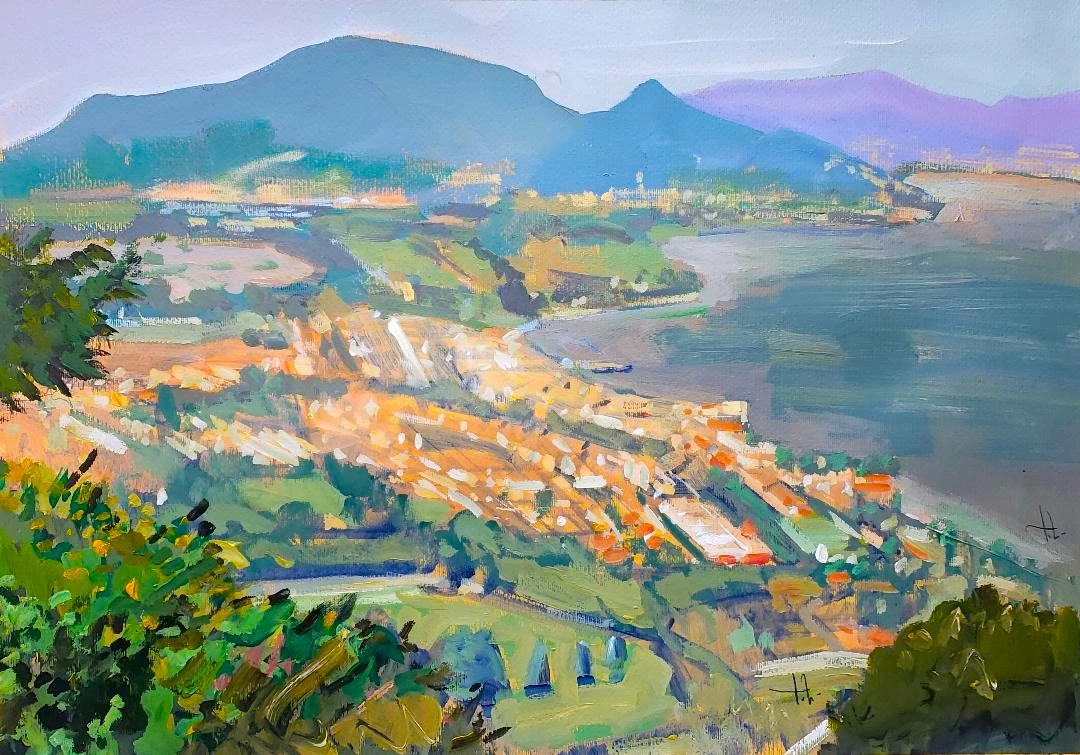
Fine art buying serves as a mirror, reflecting the values and aesthetics of the collector. A carefully chosen piece can reveal a passion for history, a commitment to craftsmanship, or a desire to connect with cultural narratives. In Scottsdale, where the art scene thrives on both contemporary and classical influences, each acquisition whispers the story of its owner. For instance, a striking landscape might indicate a love for nature and a yearning for escape, while an abstract work could suggest an appreciation for innovation and creativity.
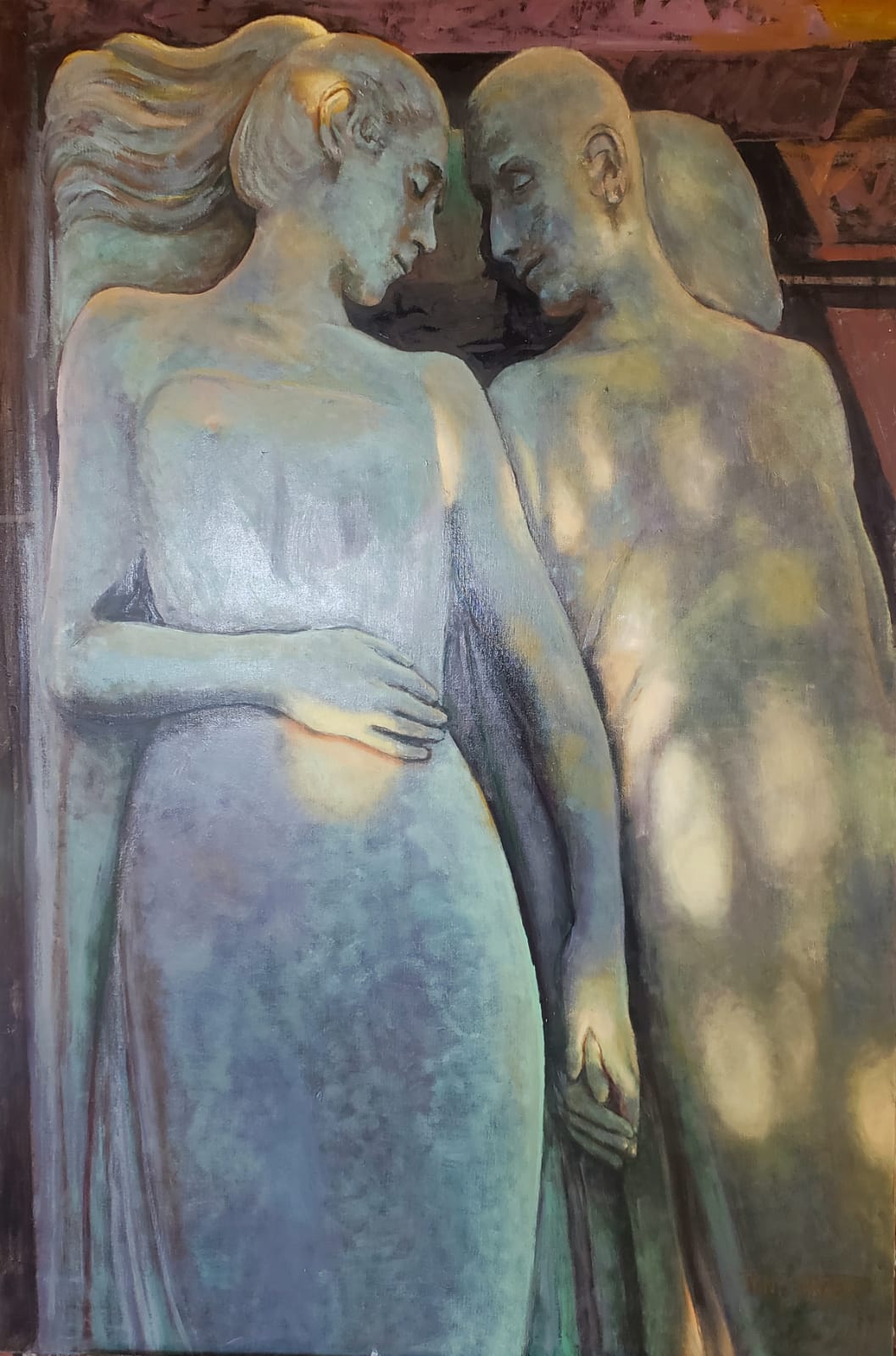
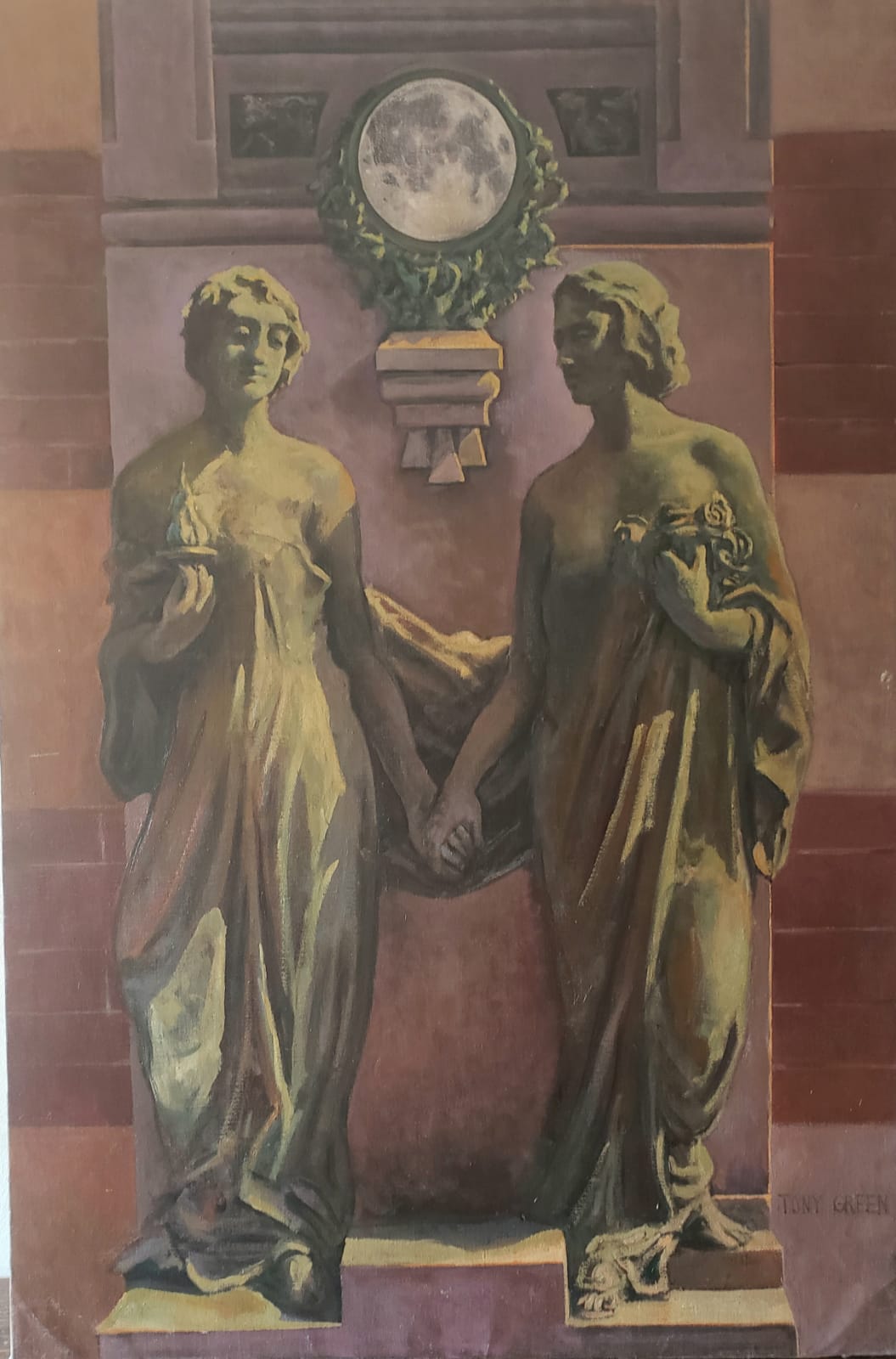
The act of acquiring art is inherently personal; it’s an intimate dialogue between the viewer and the canvas. Collectors often gravitate towards pieces that elicit strong emotional responses, indicating their hopes, dreams, and even insecurities. A keen eye for detail not only enhances the aesthetic experience but also signifies a deep appreciation for the artist’s journey, particularly when considering the techniques of a painter like Tony Green, who channels Renaissance traditions into his work. This thoughtful selection process is reinforced by the understanding that a collection is not just a reflection of taste but also a conversation starter within one’s social circles.
Moreover, the context in which art is displayed can elevate its significance. Whether in a well-lit living room or a cozy study, each space tells a story about the collector’s lifestyle and intentions. When visiting places like the Canyon Road, the energy of the environment often influences decisions, transforming a simple purchase into a statement of identity. Each piece acquired becomes a testament to personal history, preferences, and aspirations, creating a tapestry that binds together moments and memories.
The gap between surface impressions and reality
A walk through Scottsdale’s vibrant galleries often reveals a juxtaposition between initial reactions and deeper understanding. On the surface, a striking landscape might captivate with its bold colors and dynamic composition, yet it’s the subtle nuances—the brush strokes, the layering, the choice of medium—that reveal the true brilliance of a work. This layered complexity often goes unnoticed by those who overlook the artist’s intent, which can be both revealing and rewarding. It’s an invitation to delve beneath the aesthetic; a gentle nudge to consider what lies behind those radiant hues.
As conversations spark around various pieces, the experience shifts from mere admiration to a thoughtful exchange of ideas. Fellow collectors and enthusiasts share tales of how certain artworks resonate with their personal journeys, illuminating the often-overlooked backstories that breathe life into each piece. Familiarity with artists like Tony Green could transform perceptions, allowing viewers to appreciate his classical methods and the narratives interwoven within his Renaissance-inspired works. The dialogue surrounding art can morph into a reflective moment, where a painting transforms from a decorative object into an emblem of shared experience and connection.
Engaging with art in this way can also expose the gap between public perception and the reality of the artist’s work. Many might view a piece merely as an investment or a stylish home accessory, while for the collector, it often serves as a cherished relic of passion and introspection. Understanding provenance and the journey of each artwork cultivates not only a deeper appreciation but also a richer connection to the artistic community. Resources like the Getty’s tools on provenance can provide valuable insights into the history behind each piece, enhancing its significance even further.
Pro tip: When considering a piece of art, take time to learn about the artist and the work’s background.
- Read about the artist’s influences and techniques.
- Explore the story behind the artwork’s creation.
- Consider how it fits into your personal narrative.
Choosing in a way that still feels honest
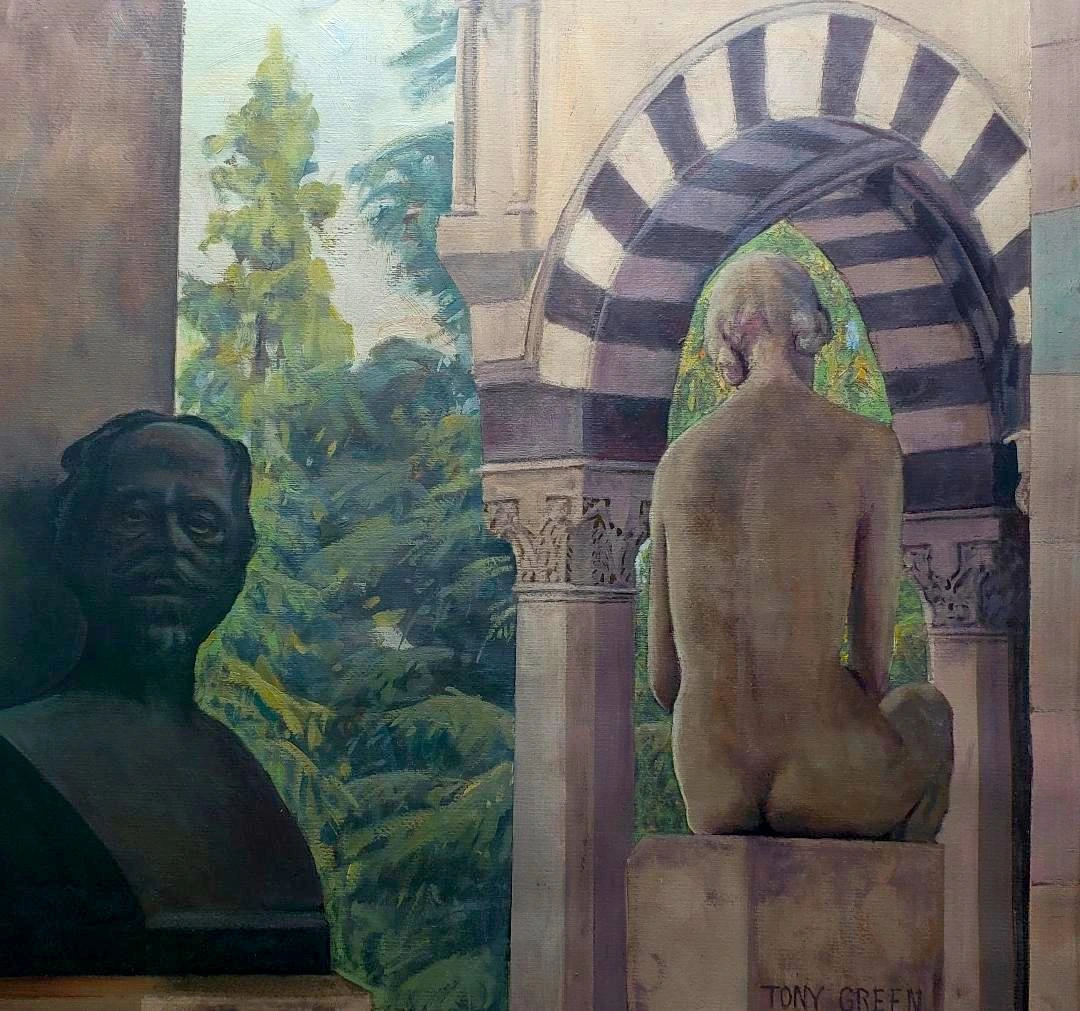
Every piece of art has a voice, a whisper that reveals its essence to those who choose to listen. Encountering a work that speaks to you isn’t merely about aesthetics; it’s about resonance. The vivid colors of a Tony Green painting might evoke feelings of nostalgia, transporting you to another time and place, while the intricate details invite you to linger longer than you expected. When you stand before such a piece, ask yourself what emotions it stirs and how it aligns with your personal narrative.
In the galleries of Scottsdale, each artwork is a chapter waiting to be added to the story of your life. Whether you’re drawn to the vibrant landscapes or the intricate portrayals of human experience, the key lies in selecting pieces that reflect your journey. Connecting with local artists or visiting spaces like the Canyon Road can further illuminate your choices. The more you understand your preferences, the clearer your collection becomes—a mosaic of moments that embody your identity.
Let each acquisition be an intentional choice, a decision made not only with the eye but with the heart. This approach nurtures authenticity and transforms your collection into more than just decoration; it becomes a sanctuary of meaning. When you curate thoughtfully, what you hang on your walls becomes a testimony to your values and experiences, an ongoing conversation that evolves over time.
How this choice reshapes the spaces you move through
Art has a way of transforming not just your surroundings but the very essence of how you navigate through spaces. Imagine entering a room adorned with a vivid landscape that invites tranquility; the atmosphere shifts immediately. It’s not merely a backdrop but a catalyst for conversation, a gateway into shared experiences and emotions. A carefully chosen piece invites your friends and family to engage, drawing them into its narrative and enriching your interactions.
As you walk through your home, each artwork becomes a prompt, reminding you of moments worth cherishing. A painting might conjure memories of a road trip taken with loved ones or a quiet afternoon spent in reflection. This layering of memory and emotion enhances the daily experience, turning mundane moments into something profound. You find yourself pausing longer, engaging more deeply, and inviting curiosity from those who come to visit.
In a community like Scottsdale, where the arts are woven into the cultural fabric, your choices resonate beyond personal space. Each piece reflects not just your taste, but also the vibrant local scene that nurtures creativity. Art isn’t just a trend; it’s a movement that fosters connection, offering glimpses into the lives of artists and the stories they tell. Supporting local talent not only enriches your collection but also strengthens the artistic community, creating an ecosystem where creativity thrives. Through this lens, your collection becomes part of a larger tapestry, echoing the diversity and richness of experiences found in places like the O’Keeffe Museum or along Canyon Road, leading to a deeper appreciation of not only what adorns your walls but also the world around you.
Owning your taste instead of chasing trends
Personal taste in art often emerges from a dialogue between the heart and the mind, where every choice is a reflection of who you are. It’s about embracing pieces that resonate with your life story rather than succumbing to fleeting trends. In a place like Scottsdale, where artistic expression thrives, the character of your collection can tell a unique narrative—one that speaks to your individuality and experiences. The allure of a timeless painting can evoke emotions that contemporary pieces might lack, creating a connection that goes beyond aesthetics.
When contemplating an addition to your collection, consider what truly captivates you. Is it the skillful brushwork of a traditional piece or the story behind the artist’s journey? Each artwork presents an opportunity to explore not just the visual, but the emotional and historical layers beneath the surface. Participating in the local art scene, like visiting galleries or attending exhibitions, can deepen your understanding and appreciation of these nuances, while also connecting you to the artists who pour their souls into their work.
Engaging with art should be a celebration of your own journey rather than a quest for social validation. Authenticity shines through when your collection reflects your personal aesthetic, creating a space that feels genuinely yours. This approach fosters a deeper relationship with each piece, encouraging you to explore and discover new meanings over time. In the vibrant community of Scottsdale, this authenticity resonates not just with you, but with fellow art lovers who appreciate the stories that each brushstroke conveys.
If you want to see the classical approach alive in contemporary work, you can browse the paintings or explore a commission—quietly, on your own terms.