Sunlight streams through a large adobe window, casting warm, golden hues across a room filled with the rich textures of local craftsmanship. Each piece of art hung on the walls tells a story, a whisper of the artist’s intent, inviting viewers to step closer and engage. The air is tinged with a hint of cedar and sage, grounding the space in the vibrant culture surrounding Santa Fe, where art is more than mere decoration—it’s a reflection of identity and a way to connect with the world.
When it comes to collecting art in Santa Fe, the journey begins with an honest decision: to see beyond the surface and understand what each piece signifies. This guide will explore the quiet rules of evaluating art, offering insights into the signals that resonate with a collector’s spirit. Honesty in this process cultivates not only a collection but a personal narrative, enriching the home environment and enhancing connections with the art community around you.
As we delve deeper into the nuances of collecting in this unique city, we’ll consider earlier notes on how the context of the artwork influences its value and significance, guiding you toward a collection that truly speaks to you.
What collecting art signals about you
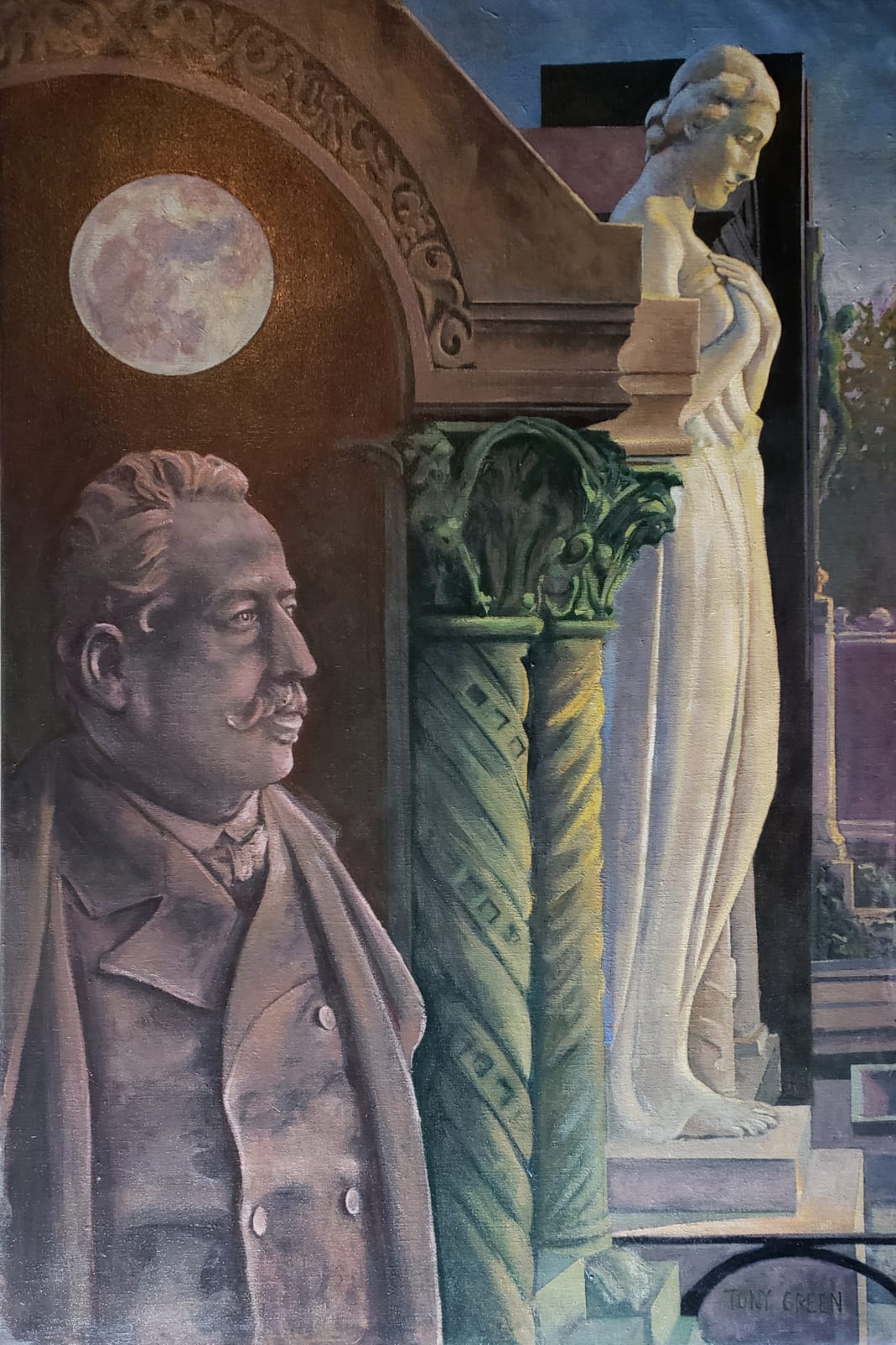
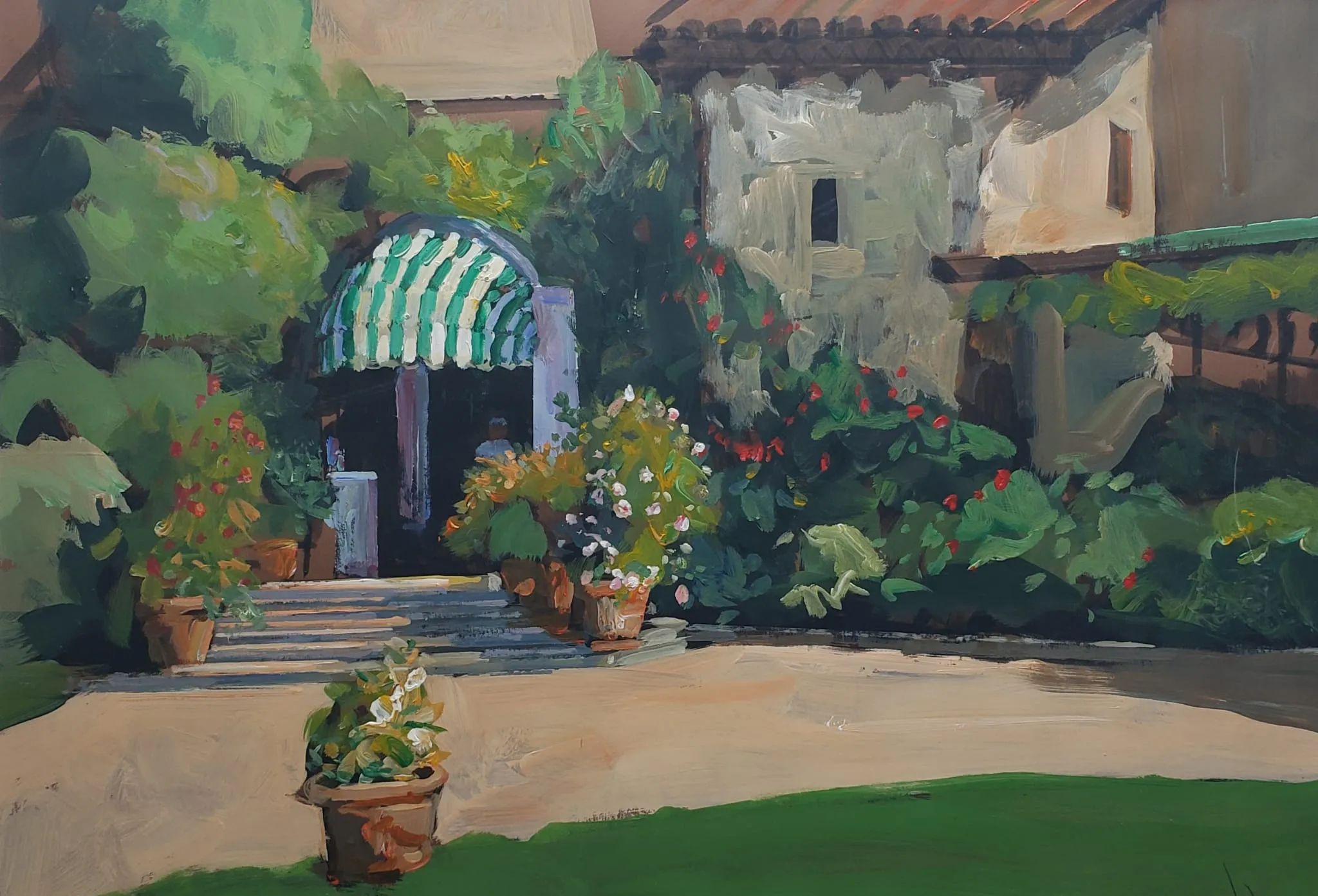
Collecting art is often an intimate reflection of personal taste, identity, and values. In Santa Fe, where the local art scene is steeped in cultural significance, every piece you choose to display speaks not only to your aesthetic preferences but also to your aspirations as a collector. Whether it’s the vivid storytelling found in artist Tony Green’s work or the intricate craftsmanship of local artisans, your collection becomes a mirror of your journey through the world of art. It signals your openness to engage with diverse narratives, inviting others to interpret and connect with those stories as well.
Moreover, the act of collecting can also indicate a desire for connection—not just with the artwork but with the broader community of artists and fellow collectors. In a city like Santa Fe, where art is a community cornerstone, your collection can signal a commitment to supporting local talent and fostering a vibrant cultural dialogue. Each acquisition represents a choice to immerse yourself in the rich tapestry of artistic expression, emphasizing the importance of understanding the context behind each piece. Ultimately, collecting art can transform your living space into a narrative-rich environment, where each work enhances not just the aesthetic value of your home, but also your identity as an engaged participant in the art world.
Condition and provenance are equally vital; they add layers of trustworthiness and history to each piece. Buyers must be diligent in checking the background of an artwork, ensuring it aligns with their expectations for authenticity and value. A well-documented history, such as information available at resources like the Getty Proven., can reassure collectors that their investment is sound and meaningful. The more a piece holds attention and inspires reflection, the stronger its presence will be in one’s home, allowing the collector to cultivate a deeper relationship with their collection.
The gap between surface impressions and reality
Understanding the nuanced layers of a piece of art often requires peeling back the surface impressions, revealing what lies beneath. For collectors navigating the vibrant art scene of Santa Fe, each encounter with a work can spark curiosity but can also lead to misconceptions. The allure of an initial glance can sometimes mask the complexities of an artist’s intent or the story behind the creation. This is where deeper engagement becomes essential—viewing art in its environment, asking questions, and seeking to understand the creative journey can transform a transactional experience into a rich, meaningful dialogue.
For anyone considering collecting art in Santa Fe in Santa Fe, Annual Santa Fe Indian Market Show & Exhibition —… can make the local art conversation tangible. Notice how the work handles material, scale, and intent, then carry those observations back to the quieter buyer questions of originality, provenance, and whether a piece continues to hold attention beyond its first impression.
Choosing in a way that still feels honest
In the vibrant art scene of Santa Fe, the act of collecting transcends mere transaction; it evolves into a deeply personal dialogue between the collector and the artwork. To choose with honesty means approaching each piece with an open mind and heart, understanding that art is not only a visual experience but a narrative thread that weaves through one’s identity and values. This requires a collector to reflect on their emotional responses and the backstories embedded within each piece, particularly when considering the work of artists such as Tony Green. The ability to appreciate the nuances of his work, for example, is contingent upon recognizing the ideas he conveys through his chosen materials and themes, which can resonate with the unique cultural tapestry of Santa Fe.
Furthermore, the authenticity of your collection hinges on your willingness to engage with the art beyond its aesthetic appeal. Consider the historical significance and the relationships shaped by each acquisition. This can be a profound journey, revealing connections to both the artistic process and the community. When collectors in Santa Fe incorporate these layers of meaning into their decision-making, they cultivate a collection that speaks to their personal journey while also reflecting the rich cultural heritage that defines the region. Such an approach not only enriches the spaces they inhabit but fosters a deeper connection with both the artworks and the broader art community, ultimately leading to a more fulfilling collecting experience.
Pro tip: Keep a journal of your thoughts and feelings about each piece you encounter.
- Note what draws you to a piece.
- Reflect on its emotional impact.
- Document stories shared by artists or galleries.

How this choice reshapes the spaces you move through
Art has the unique power to transform not just individual spaces, but the very essence of how you engage with your environment. When a piece resonates with your personal narrative, it becomes more than decoration; it turns into a conversation starter, a centerpiece that reflects your identity. Each artwork you choose to display tells a story, infusing your home or office with energy that can invigorate daily life. Imagine walking into a room adorned with vibrant colors and dynamic forms, each element sparking joy and conversation among guests.
In the context of Santa Fe, art can also serve as a bridge to the community itself. The local art scene thrives on collaboration and shared inspiration, creating a tapestry of cultural exchange. As you curate your collection, consider how each piece fits within this larger narrative. Works by artists like Tony Green often incorporate elements that echo the natural beauty and rich traditions of the region. Placing such art in your space can evoke a sense of place, grounding you in the unique spirit of Santa Fe while opening up avenues for connection with others who appreciate similar themes.
Moreover, the act of collecting can be a journey that shapes not only your personal aesthetic but also your social interactions. Attending gallery openings, exhibitions, or events at prominent venues, like the O’Keeffe Museum, can broaden your understanding of art and expose you to diverse perspectives. Each gathering presents an opportunity to meet like-minded individuals, fostering relationships that enrich both your collection and your appreciation of the arts. As you navigate these spaces, consider how your choices reflect not just personal taste, but also the vibrant community that surrounds you. Every piece can serve as a reminder of the connections made and the stories shared along your collecting journey.
Owning your taste instead of chasing trends
Authenticity can often get lost in the rush to acquire what’s popular, but grounding your collection in personal taste offers a more meaningful experience. Consider pieces that resonate with you on an emotional or intellectual level, rather than simply those that are currently trending. This approach transforms collecting from a transactional experience into a personal narrative, one that reflects your unique journey through art appreciation. Being attuned to your genuine preferences encourages a deeper connection with the artwork and the stories behind it.
The allure of contemporary art can sometimes overshadow the historical significance and the subtleties that enrich the context of a piece. Engage with the provenance of artworks, making it a part of your conversation around each acquisition. Learning about where a piece has been and the experiences tied to it can lead to deeper insights and enhance your engagement with the artist’s intentions. Resources like the Getty Provenance can provide valuable background, enabling you to appreciate the layers of meaning that might otherwise go unnoticed.
If you want to see the classical approach alive in contemporary work, you can browse the paintings or explore a commission—quietly, on your own terms.