
Blog

  • How to choose art that lasts in Santa Fe — Collecting Art in Santa Fe

    How to choose art that lasts in Santa Fe — Collecting Art in Santa Fe

    Sunlight filters through the large windows of a Santa Fe adobe home, casting a warm glow on the earthy tones of the walls. In the corner, a vibrant painting catches the eye, layered with textures that almost pulse with life. Each brushstroke tells a story, inviting you to step closer and lose yourself in its depths. The soft rustle of a breeze through the open window brings the scent of piñon and sage, grounding the moment in the unique beauty of the Southwest.

    Choosing art that lasts in Santa Fe is more than just a transaction; it’s a reflection of personal connection and intentionality. It invites you to look beyond mere decoration and into the essence of what resonates with you. This guide will explore the subtle rules and signals that help you discern genuine artistry, emphasizing the importance of honesty in your choices. The first decision is usually not the purchase—it’s the standard you set for what art means to you and how it fits into your life.

    As we delve into the nuances of selecting art that can stand the test of time, consider these earlier notes as a foundation for your journey. Embrace the process of discovery, where every piece becomes a moment of dialogue between you and the artist, rich with story and meaning.

    What choosing art that lasts signals about you

    Art often serves as a mirror, reflecting our innermost tastes and values. When choosing art that lasts in Santa Fe, the pieces you select speak volumes about your identity and aspirations. Originality is paramount; one-of-a-kind works resonate as expressions of individuality. Collectors find themselves drawn to pieces that not only enhance their living spaces but also reveal their passion for creativity and authenticity. In a city known for its vibrant arts scene, the distinctiveness of each artwork becomes a badge of pride.

    Condition is another critical factor. Consider how a piece has weathered time and how well it has been cared for. Provenance adds another layer, providing a narrative of its journey through galleries and collections. A work’s history can elevate its significance, connecting you to the broader art community. It’s a question of value: does the art maintain its allure over time, or does it fade into the background?

    Scale matters too; a large canvas might dominate a room, while a smaller piece could create an intimate focal point. The challenge is to ensure that whatever you choose complements not just your space but also your lifestyle. Each selection is an opportunity to curate a visual dialogue that evolves with you, inviting guests into your world while also holding their attention long after they’ve left.

    Pro tip: When selecting art, focus on pieces that resonate with your personal narrative.

    • Research the artist’s background for a deeper connection.
    • Consider how the artwork interacts with your home environment.
    • Trust your intuition—choose what captivates you.

    The gap between surface impressions and reality

    For anyone considering how to choose art that lasts in Santa Fe in Santa Fe, Annual Santa Fe Indian Market Show & Exhibition —… can make the local art conversation tangible. Notice how the work handles material, scale, and intent, then carry those observations back to the quieter buyer questions of originality, provenance, and whether a piece continues to hold attention beyond its first impression.

    Art can easily seduce with surface beauty, yet the true value often lies beneath. A piece that captivates at first glance may not sustain its charm over time if it lacks depth or meaning. When navigating the vibrant art scene in Santa Fe, buyers should peel back the layers of each work. This involves understanding not just the aesthetic but also the story behind the artist and the context in which the piece was created. A deeper exploration often reveals nuances that add richness to your collection, ensuring your chosen art resonates on multiple levels.

    The local art market pulses with dynamic events, such as the Annual Santa Fe Indian Market Show & Exhibition —…, which showcases a diverse range of styles and perspectives. Engaging with such events allows collectors to appreciate the cultural significance of the pieces and their creators. The connection between artist and audience can transform a mere transaction into a meaningful relationship, fostering a deeper appreciation for the work itself.

    Materials and craftsmanship play a vital role in the longevity of art. Collectors should examine the mediums used, as some can withstand the test of time better than others. A piece crafted from high-quality materials not only promises durability but also speaks to the artist’s dedication and skill. Whether opting for a vibrant painting or a finely sculpted piece, investing in artistry that combines both beauty and integrity ensures that it remains a cherished part of your life story.

    Choosing in a way that still feels honest

    When collectors in Santa Fe embark on the journey of selecting art, the process must resonate with their personal values and aesthetic preferences. Understanding the motivation behind each piece is crucial; it should reflect not only the collector’s taste but also a connection to the narrative the artwork conveys. This personal connection elevates the experience from mere acquisition to a meaningful addition to one’s life. As you explore galleries and studios, consider what themes or emotions draw you in. Is it the vibrancy of color, the texture of the materials, or perhaps the story behind the artist’s vision? Each of these elements should align with your own sensibilities to create a collection that feels authentic.

    Furthermore, honesty in choosing art encompasses a critical evaluation of both the work and your intentions. Are you drawn to something because it follows a trend, or does it genuinely speak to you? This distinction is vital in Santa Fe’s dynamic art scene, where contemporary works often coexist with traditional influences. To cultivate an enduring collection, focus on pieces that evoke a strong emotional response and invite conversation. Reflect on how each work fits within your living space and how it represents your journey as a collector. Ultimately, the art you choose should enhance your environment while genuinely reflecting who you are, ensuring that your collection is as lasting as the memories it evokes.

    Visiting galleries along Canyon Road offers an immersive experience where you can encounter art in its intended context. As you stroll through the vibrant streets lined with studios and galleries, you not only see the artwork but also feel the atmosphere that inspired it. This sensory connection can significantly impact your choices, guiding you toward pieces that truly reflect your personal aesthetic and values.
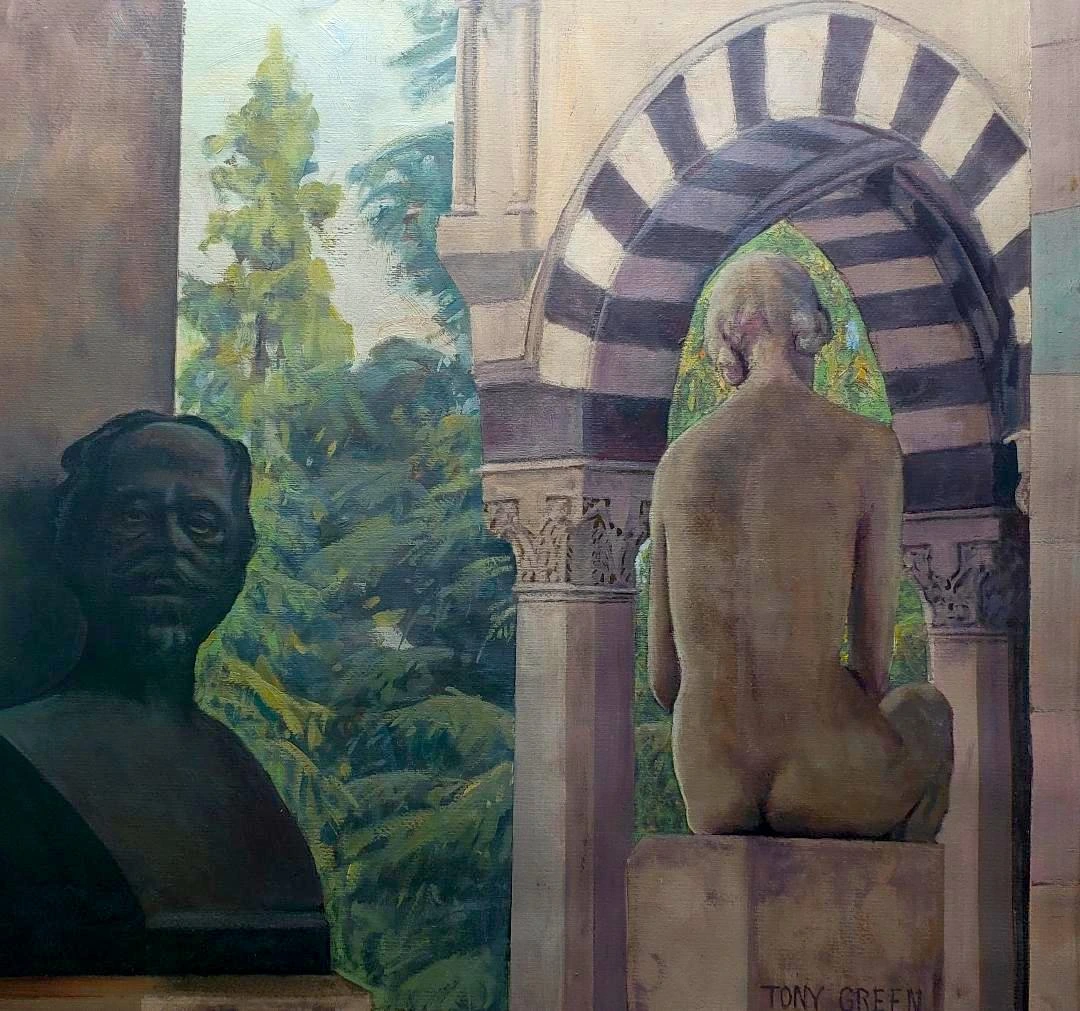
    how to choose art that lasts in Santa Fe – Santa Fe
    A POET’S DELIGHT Learn more about the artist

    A 90-second checklist for serious buyers

    When considering art in Santa Fe, it’s essential to focus on several key factors that can help ensure your collection not only reflects your taste but also stands the test of time. First, evaluate the materials and techniques used by the artist. High-quality materials, such as acrylics that resist fading or canvases that withstand moisture, are fundamental to longevity. Additionally, understanding the artist’s technique can provide insight into the durability of the artwork. For instance, artist Tony Green’s work may utilize specific methods that enhance the painting’s resilience, making it a worthy investment. You want pieces that not only resonate personally but are also crafted with care and intention.

    Next, think about the emotional response the artwork invokes. Serious collectors in Santa Fe often emphasize the importance of connecting with pieces on a deeper level. Ask yourself what stories or emotions the artwork conveys and how these align with your own life experiences. Consider how the art integrates into your space—does it complement the ambiance of your home? This connection not only solidifies your choice but also ensures that the art will remain meaningful to you as years pass. Ultimately, a checklist of both quality and emotional resonance can guide you in making informed decisions, leading to a collection that you will cherish and that withstands the ebb and flow of trends.

    How this choice reshapes the spaces you move through

    Every artwork carries a narrative that extends beyond its surface. Selecting art with intention can redefine the atmosphere of your home and the spaces you inhabit. Tony Green’s pieces, for instance, invite contemplation, often reflecting the intricate relationships between nature and human experience. When you incorporate such work into your environment, it acts as a catalyst for deeper connections, sparking conversations and provoking thought. Each time you pass by, you’re reminded of the story the piece tells, enriching your daily life with its presence.

    The choice of art also influences how you interact with your surroundings. A bold statement piece can energize a room, while softer, more subtle artworks can create a serene ambiance. In Santa Fe, this balancing act is essential; many collectors seek not just to decorate, but to evoke feelings and memories through their selections. The art you choose can shape the way you feel when you enter a space, making it more welcoming or introspective, and that transformation is at the heart of thoughtful curation.

    Lastly, think about the functionality of the art within your life. Pieces displayed in high-traffic areas should withstand the test of time, both aesthetically and physically. Selecting work that is durable yet captivating allows it to thrive amid the hustle of everyday life. For buyers considering art in Santa Fe, exploring galleries on Canyon Road can reveal pieces that embody this enduring quality, marrying beauty with resilience.

    In the realm of art collection, particularly in the vibrant market of Santa Fe, it is essential to cultivate personal taste rather than simply following fleeting trends. Owning your taste means embracing pieces that resonate with your individual experiences and emotions rather than succumbing to the pressures of what is currently popular. This approach not only fosters a deeper connection with the artwork but also contributes to a personal collection that reflects your unique identity and values. When acquiring art, consider what speaks to you on a personal level; this will often result in selections that remain meaningful and captivating over time.

    As you explore your artistry preferences, remember that true quality often transcends the latest trends, which can be ephemeral. By focusing on the aspects of art that you genuinely appreciate—including color, texture, and subject matter—you begin to curate a collection that not only beautifies your space but also enriches your life. This profound ownership of taste allows collectors in Santa Fe to invest in pieces that tell their stories, ensuring that the art you choose will be cherished for years, rather than discarded along with the whims of passing fads. Ultimately, it is this personal connection that makes art a valuable component of living and not just a decorative accessory.

    If you want to see the classical approach alive in contemporary work, you can browse the paintings or explore a commission—quietly, on your own terms.
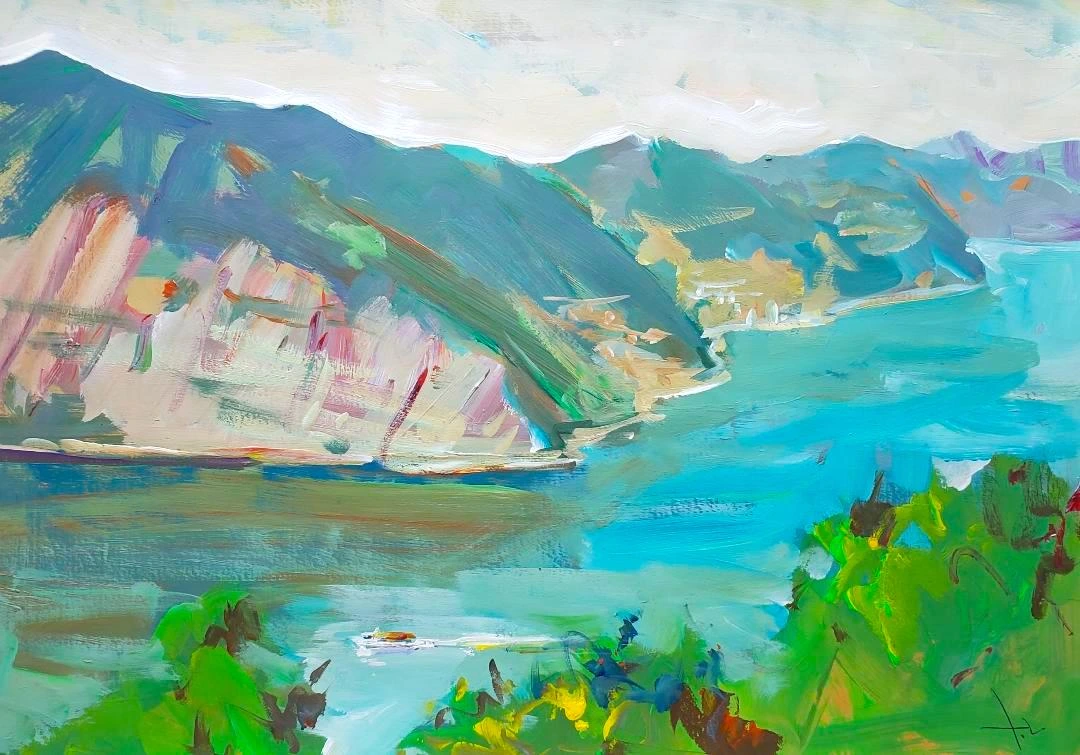
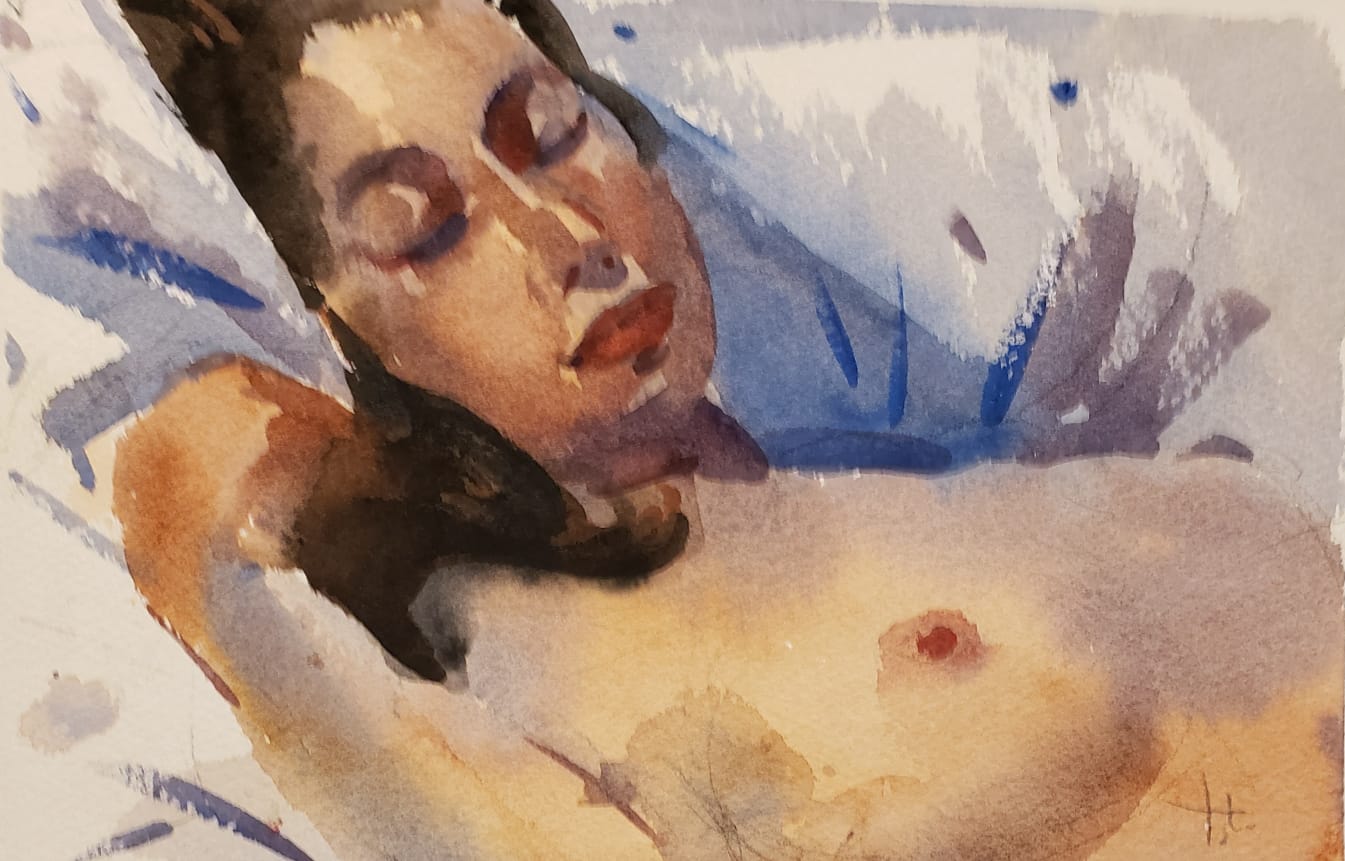
  • Collecting art in Santa Fe — Owning Your Taste in Santa Fe

    Collecting art in Santa Fe — Owning Your Taste in Santa Fe

    Sunlight streams through large, arched windows, casting geometric patterns onto the adobe walls of a gallery in Santa Fe. Each vibrant piece of art on display seems to pulse with life, drawing the eye and inviting contemplation. The air is thick with the scent of aged wood and earth, a reminder that this isn’t just a collection of paintings and sculptures but a tapestry woven from history, culture, and raw human emotion. Here, the colors of the Southwest converge in a dialogue between tradition and modernity, each stroke and texture narrating a story.

    When it comes to collecting art in Santa Fe, understanding the subtle currents of taste and authenticity becomes paramount. It’s not solely about finding pieces that resonate; it’s about discerning what feels genuine in a world rich with creativity. Collectors must learn to navigate the nuances of each artwork, paying attention to the artist’s intent, the cultural significance, and their own reactions—being honest with oneself is key. Evaluating art is like mastering a language, where each piece becomes a word in a larger conversation about identity, heritage, and perception.

    As we explore the intricate world of collecting art in Santa Fe, we’ll delve deeper into the signals and nuances that can guide your journey, reflecting on earlier notes about the city as a cultural investment hub. Whether you’re a seasoned collector or new to the scene, there’s much to discover in this vibrant community.

    What collecting art signals about you

    Art collecting often transcends mere aesthetics; it becomes a reflection of personal identity and values. In Santa Fe, where artistic expression thrives, the choice of what to collect can signal a commitment to culture, history, and dialogue. Pieces that resonate with your experiences or beliefs reveal a deeper narrative, telling others who you are without uttering a word. The art you surround yourself with becomes an extension of your personality and taste.

    When evaluating potential acquisitions, consider originality and condition. Is the work a unique creation or part of a series? Collectors should seek pieces that stand apart, both in craftsmanship and emotional impact. A painting by artist Tony Green, for example, may not only draw the eye but also provoke thought and conversation, holding attention long after it’s been viewed. The scale of the artwork matters too; larger pieces can dominate a space and evoke powerful reactions, while smaller works can create intimate connections.

    Value, both financial and emotional, is another key factor. Researching provenance—understanding the history of ownership—can enhance the narrative behind a piece, adding layers of significance. This is especially true in a city like Santa Fe, where the stories behind artworks often intertwine with the cultural fabric of the area. The journey of each piece is essential, adding context that enriches your collection and deepens your appreciation.

    Ultimately, the art you choose to collect should resonate with you personally while considering the wider implications of your selection. It’s about finding pieces that not only capture your eye but also ignite your passion and curiosity. Explore spaces like Canyon Road to discover works that challenge and inspire, reflecting both your unique journey and the collective spirit of Santa Fe.

    The gap between surface impressions and reality

    Collectors often find themselves entranced by the vibrant colors and evocative forms of art, yet the true essence of a piece lies beneath its surface. Art can serve as a mirror reflecting individual taste or societal trends, but understanding its deeper narrative requires more than a passing glance. The stories embedded in each creation yield insights into the artist’s intentions, cultural influences, and the historical context surrounding the work. Buyers should consider how a piece speaks not only to them but also to the larger world, as its significance can shift depending on one’s perspective.

    The allure of an event like the Annual Santa Fe Indian Market Show & Exhibition —… amplifies this curiosity, drawing art enthusiasts from various backgrounds and expertise levels. Such gatherings are opportunities to engage with the narratives behind pieces firsthand, gaining insights from artists and other collectors. This interaction can reveal layers of meaning that may not be immediately apparent, enriching the collecting experience.

    Moreover, as buyers navigate the diverse offerings within Santa Fe, they must be vigilant against superficial impressions that overlook the complexity of the art world. A piece might initially attract attention through its aesthetic appeal, but collectors must ask probing questions: What emotions does it evoke? How does it align with personal values or resonate with current dialogues in the art community? Every decision made in this vibrant marketplace adds to the unique tapestry of one’s collection, reflecting not only a personal journey but also a broader cultural exchange.

    Pro tip: Engage with artists and fellow collectors to deepen your understanding of art.

    • Visit galleries to experience pieces in person.
    • Participate in art events for insights and connections.
    • Research the artist’s background for a richer context.

    Choosing in a way that still feels honest

    As collectors sift through the vibrant offerings in Santa Fe, the process of selecting art can become an emotional journey. Art can speak to the soul, often mirroring personal experiences or aspirations. When evaluating a piece, consider how it resonates with you on a deeper level. Is there a story or emotion that you connect with? The act of choosing should align with your own narrative, allowing the artwork to become a reflection of who you are rather than merely a decorative item.

    Understanding the context behind a piece can significantly enhance its value. Researching the artist’s vision or the themes they explore can provide a richer perspective. For instance, exploring the influence of local landscapes on the work of various artists may reveal layers that enrich your appreciation. This knowledge transforms the collecting experience from a simple transaction to a meaningful exchange, fostering a connection that transcends the physical form of the artwork.

    In a city that celebrates creativity, visiting places like Canyon Road immerses collectors in a spectrum of artistic expressions. Here, the dialogue between artists and collectors flourishes, deepening the understanding of what makes a piece truly resonate. Engaging in conversations at galleries or art events can illuminate the nuances of the work, revealing how each piece fits within broader cultural conversations. This exploration not only informs your choices but also enriches your personal collection’s narrative.

    A 90-second checklist for serious buyers

    When collecting art in Santa Fe, it’s essential for serious buyers to have a clear checklist to navigate the vibrant and diverse offerings available. Start by defining your budget, as this will help streamline your search and ensure you remain focused on pieces that are within your financial reach. Understanding the market prices in Santa Fe is crucial; research similar works by the same artist or comparable pieces from local galleries. This knowledge not only empowers you as a collector but also helps you avoid overpaying for works that may not align with their market value.

    Next, assess the provenance of each piece. In a city rich with artists and stories, knowing the background of an artwork can greatly enhance its value and your appreciation of it. Investigate the artist’s biography, the context in which the work was created, and any exhibitions it has been part of. This information not only adds depth to your collection but also strengthens your connection with the artworks. Finally, trust your instincts—if a piece resonates with you on a personal level, it’s likely to be a meaningful addition to your collection, making the act of collecting a deeply personal journey rather than just an accumulation of objects.

    How this choice reshapes the spaces you move through

    Moreover, the act of collecting can foster a deeper appreciation for local culture and history. By selecting artworks that resonate with the spirit of Santa Fe, collectors actively participate in a vibrant narrative that extends beyond individual pieces. Galleries along Canyon Road showcase a wide array of artistic expressions, allowing collectors to align their choices with the broader artistic movements shaping the region. This choice not only elevates your environment but also contributes to a collective appreciation of art that celebrates both tradition and innovation.

    In the vibrant art scene of Santa Fe, true collectors understand that owning their taste means embracing what resonates deeply with them rather than succumbing to fleeting trends. The art market is often influenced by what is popular at the moment, but discerning collectors realize that the value of a piece lies not in its current popularity but in its ability to evoke personal connections and reflections. When curating a collection, one should prioritize the emotional response that a work inspires, allowing personal taste to steer the journey towards artistic acquisition.

    Collectors in Santa Fe, with its rich tapestry of art and culture, have a unique opportunity to explore diverse styles and mediums without the pressure of conforming to trends. This environment encourages a profound engagement with art that transcends mere trend-chasing. By focusing on pieces that speak to their own aesthetic sensibilities and cultural narratives, collectors can cultivate a distinctive collection that is a true reflection of their identity. In this way, art becomes a personal dialogue rather than a transactional exchange, imbuing each acquisition with meaning and significance that endures beyond the momentary allure of a passing fad.

    If you want to see the classical approach alive in contemporary work, you can browse the paintings or explore a commission—quietly, on your own terms.
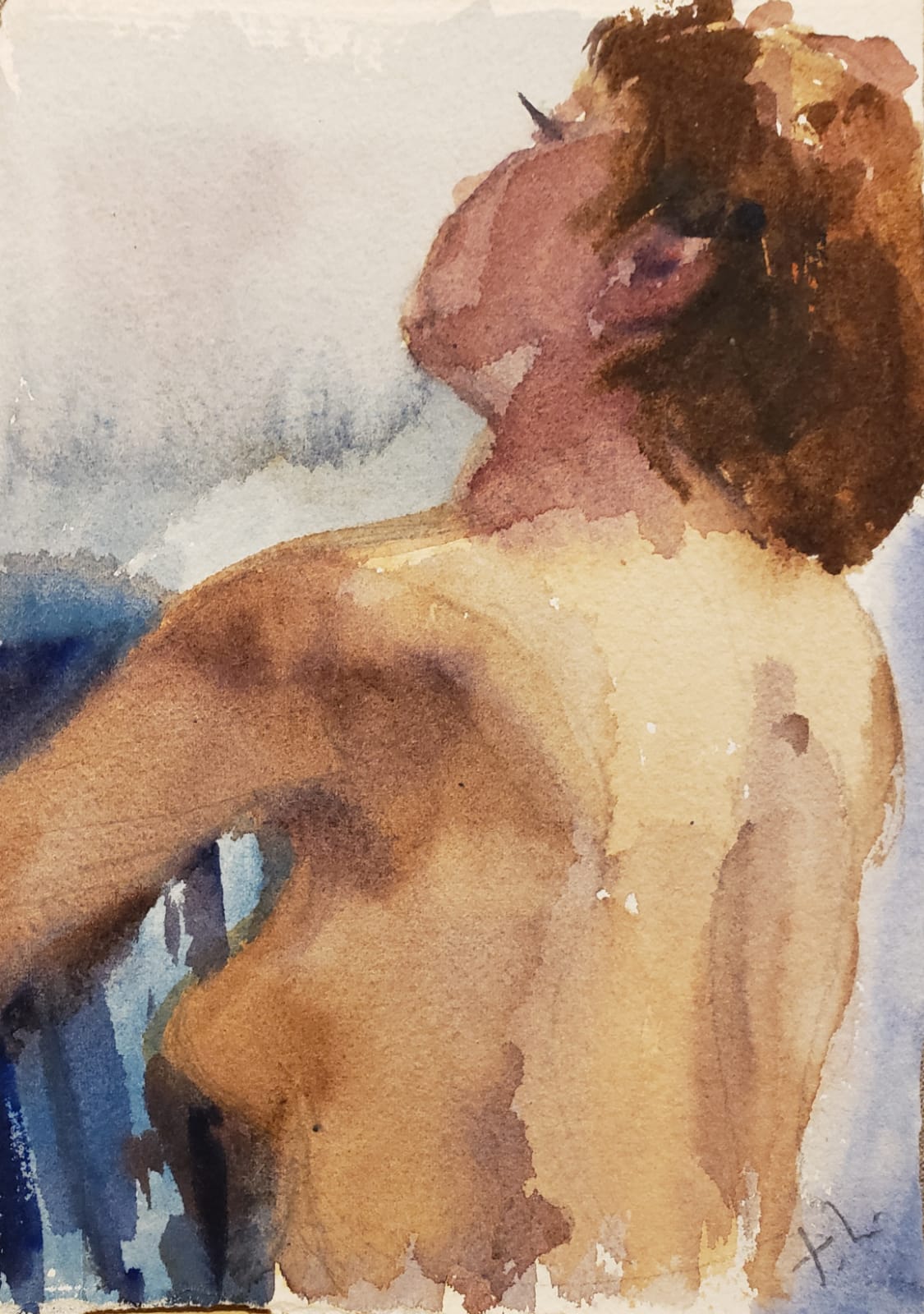
    collecting art in Santa Fe – Santa Fe
    BATTELLO ON LAGO D’ISEO Learn more about the artist
  • Collecting art in Santa Fe — Buying Art That Lasts in Santa Fe — The Quiet

    Collecting art in Santa Fe — Buying Art That Lasts in Santa Fe — The Quiet

    A room can feel expensive without spending a cent—until you hang the wrong piece.

    This guide is a story-driven way to choose art that lasts—without confusing information with wisdom. For extra context, see our <a href=”https://tonygreen.net/discover-top-fine-art-galleries-to-explore-in-santa-fe-today-santa-fe-20260109154542/”>earlier notes</a>.

    Table of Contents

    What collecting art signals about you

    A practical lens: choose what still feels true a year from now, not what flatters you for ten minutes.

    Ask about materials, condition, and provenance—then notice whether the work still holds you when the story stops.

    Pro tip: Ask for provenance and condition in one sentence—then stop talking and listen.

    • If the story is the only thing being sold, you’re not buying art—you’re buying a pitch.
    • Use Santa Fe as your lens, not your vendor list: learn signals, not a shopping map.
    • Take one photo, step back ten seconds, and see what still stays with you.

    The gap between surface impressions and reality

    A practical lens: choose what still feels true a year from now, not what flatters you for ten minutes.

    For a Santa Fe buyer weighing collecting art in Santa Fe, Annual Santa Fe Indian Market Show & Exhibition —… works best as a practical cross-check from www.santafetrailsfineart.com: a current local art reference can make market standards visible while you compare originality, craft, provenance, and collector fit against the quieter question of whether the work still feels serious after the room and the surrounding story fall away.

    Ask about materials, condition, and provenance—then notice whether the work still holds you when the story stops.

    Choosing in a way that still feels honest

    A practical lens: choose what still feels true a year from now, not what flatters you for ten minutes.

    Ask about materials, condition, and provenance—then notice whether the work still holds you when the story stops.

    A 90-second checklist for serious buyers

    A practical lens: choose what still feels true a year from now, not what flatters you for ten minutes.

    Ask about materials, condition, and provenance—then notice whether the work still holds you when the story stops.

    How this choice reshapes the spaces you move through

    A practical lens: choose what still feels true a year from now, not what flatters you for ten minutes.

    Ask about materials, condition, and provenance—then notice whether the work still holds you when the story stops.

    A practical lens: choose what still feels true a year from now, not what flatters you for ten minutes.

    Ask about materials, condition, and provenance—then notice whether the work still holds you when the story stops.

    If you want to see the classical approach alive in contemporary work, you can browse the paintings or explore a commission—quietly, on your own terms.

    Before a Santa Fe buyer treats a work as a serious candidate, the first test is not price. It is whether the piece can hold attention after the strongest story has already been told. Look at the surface, the edges, the scale, and the way the work changes when you step back. A confident purchase usually survives silence.

    Then ask for the practical facts without letting them replace judgment. Provenance, condition, medium, framing, and return terms matter because they protect the decision from confusion. They do not make the work better by themselves. They simply give the buyer enough ground to decide whether the visual standard and the ownership standard are pointing in the same direction.

    That is why collecting art in Santa Fe should never become a checklist of fashionable names. The better question is whether the work can carry its own weight when the setting changes. A gallery room can sharpen your eye, but the final standard has to travel home with you: proportion, restraint, originality, and the ability to keep revealing itself slowly.

    Serious collecting in Santa Fe rewards patience. A buyer who slows down can notice whether the attraction is coming from the work or from the pressure around the work. If the appeal depends on urgency, scarcity language, or a borrowed opinion, wait. Strong art does not need panic to become legible.

    Use conversation as evidence, not as a substitute for seeing. A thoughtful seller should be able to explain materials, process, condition, and context without turning every answer into a performance. The best exchanges leave you clearer about the object itself. The weakest ones leave you excited but oddly unable to say what the work is actually doing.

    The last pass is private. Imagine the piece away from the gallery wall, away from the trip, away from the first rush of recognition. In that quieter setting, the work has to earn its place through structure, color, drawing, surface, and emotional durability. A Santa Fe purchase may begin with local context, but ownership lasts only if the art keeps making a case for itself.

    That is the standard worth protecting: not whether the purchase sounds impressive, but whether it keeps asking for attention in a way that feels honest. If the answer is yes, the buyer is no longer just filling a wall. The buyer is choosing a visual standard they are willing to live with.

    A careful Santa Fe buyer can learn a great deal from a few direct questions. Ask what changed in the work from first study to final surface. Ask which materials carry the piece structurally, not just decoratively. Ask what the artist or gallery would want a serious collector to notice after the obvious first impression has passed.

    The answers should bring you closer to the work. If they only add glamour, the conversation is moving away from the object. Strong guidance clarifies decisions about scale, medium, edition, framing, installation, and care. Weak guidance leaves the buyer with adjectives but no better understanding of what is being owned.

    Local context matters in Santa Fe, but it should not take the wheel. The history of a place, the reputation of a street, or the confidence of a gallery can all help a buyer read the room more intelligently. None of those signals should replace the slower work of looking at the piece and asking whether it still has authority on its own.

    That distinction keeps collecting art in Santa Fe useful. Context can teach standards, reveal patterns, and help a buyer avoid naive choices. Judgment still belongs to the buyer. The best purchase happens where those two forces meet: enough local knowledge to avoid confusion, and enough independence to choose the work for reasons that will still matter later.

    Atmosphere can flatter almost anything. Warm light, a persuasive wall label, and a crowded opening can make a work feel more resolved than it is. Craft is less dependent on the moment. It shows up in the drawing, the surface, the edge control, the composition, and the way the piece continues to organize attention after the room stops helping it.

    For a buyer in Santa Fe, this is where patience becomes practical. Look once for attraction, then look again for structure. Ask whether the work has a center of gravity. Ask whether the color, material, and subject are doing real work together. The second look often tells the truth more clearly than the first.

    collecting art in Santa Fe – Santa Fe
    MARIAN
    Learn more about the artist
  • How to choose art that lasts in Santa Fe — Owning Your Taste in Santa Fe — A

    How to choose art that lasts in Santa Fe — Owning Your Taste in Santa Fe — A

    People think they buy art with their eyes. They actually buy it with their standards.

    This guide is a story-driven way to choose art that lasts—without confusing information with wisdom. For extra context, see our <a href=”https://tonygreen.net/mastering-art-buying-santa-fe-refined-collector/”>earlier notes</a>.

    Table of Contents

    What choosing art that lasts signals about you

    A practical lens: choose what still feels true a year from now, not what flatters you for ten minutes.

    Ask about materials, condition, and provenance—then notice whether the work still holds you when the story stops.

    The gap between surface impressions and reality

    A practical lens: choose what still feels true a year from now, not what flatters you for ten minutes.

    For a Santa Fe buyer weighing how to choose art that lasts in Santa Fe, Annual Santa Fe Indian Market Show & Exhibition —… works best as a practical cross-check from www.santafetrailsfineart.com: a current local art reference can make market standards visible while you compare originality, craft, provenance, and collector fit against the quieter question of whether the work still feels serious after the room and the surrounding story fall away.

    Ask about materials, condition, and provenance—then notice whether the work still holds you when the story stops.

    Choosing in a way that still feels honest

    A practical lens: choose what still feels true a year from now, not what flatters you for ten minutes.

    Ask about materials, condition, and provenance—then notice whether the work still holds you when the story stops.

    Pro tip: Ask for provenance and condition in one sentence—then stop talking and listen.

    • If the story is the only thing being sold, you’re not buying art—you’re buying a pitch.
    • Use Santa Fe as your lens, not your vendor list: learn signals, not a shopping map.
    • Take one photo, step back ten seconds, and see what still stays with you.

    How this choice reshapes the spaces you move through

    A practical lens: choose what still feels true a year from now, not what flatters you for ten minutes.

    Ask about materials, condition, and provenance—then notice whether the work still holds you when the story stops.

    Pro tip: Ask for provenance and condition in one sentence—then stop talking and listen.

    • If the story is the only thing being sold, you’re not buying art—you’re buying a pitch.
    • Use Santa Fe as your lens, not your vendor list: learn signals, not a shopping map.
    • Take one photo, step back ten seconds, and see what still stays with you.

    A practical lens: choose what still feels true a year from now, not what flatters you for ten minutes.

    Ask about materials, condition, and provenance—then notice whether the work still holds you when the story stops.

    If you want to see the classical approach alive in contemporary work, you can browse the paintings or explore a commission—quietly, on your own terms.

    Before a Santa Fe buyer treats a work as a serious candidate, the first test is not price. It is whether the piece can hold attention after the strongest story has already been told. Look at the surface, the edges, the scale, and the way the work changes when you step back. A confident purchase usually survives silence.

    Then ask for the practical facts without letting them replace judgment. Provenance, condition, medium, framing, and return terms matter because they protect the decision from confusion. They do not make the work better by themselves. They simply give the buyer enough ground to decide whether the visual standard and the ownership standard are pointing in the same direction.

    That is why how to choose art that lasts in Santa Fe should never become a checklist of fashionable names. The better question is whether the work can carry its own weight when the setting changes. A gallery room can sharpen your eye, but the final standard has to travel home with you: proportion, restraint, originality, and the ability to keep revealing itself slowly.

    Serious collecting in Santa Fe rewards patience. A buyer who slows down can notice whether the attraction is coming from the work or from the pressure around the work. If the appeal depends on urgency, scarcity language, or a borrowed opinion, wait. Strong art does not need panic to become legible.

    Use conversation as evidence, not as a substitute for seeing. A thoughtful seller should be able to explain materials, process, condition, and context without turning every answer into a performance. The best exchanges leave you clearer about the object itself. The weakest ones leave you excited but oddly unable to say what the work is actually doing.

    The last pass is private. Imagine the piece away from the gallery wall, away from the trip, away from the first rush of recognition. In that quieter setting, the work has to earn its place through structure, color, drawing, surface, and emotional durability. A Santa Fe purchase may begin with local context, but ownership lasts only if the art keeps making a case for itself.

    That is the standard worth protecting: not whether the purchase sounds impressive, but whether it keeps asking for attention in a way that feels honest. If the answer is yes, the buyer is no longer just filling a wall. The buyer is choosing a visual standard they are willing to live with.

    A careful Santa Fe buyer can learn a great deal from a few direct questions. Ask what changed in the work from first study to final surface. Ask which materials carry the piece structurally, not just decoratively. Ask what the artist or gallery would want a serious collector to notice after the obvious first impression has passed.

    The answers should bring you closer to the work. If they only add glamour, the conversation is moving away from the object. Strong guidance clarifies decisions about scale, medium, edition, framing, installation, and care. Weak guidance leaves the buyer with adjectives but no better understanding of what is being owned.

    Local context matters in Santa Fe, but it should not take the wheel. The history of a place, the reputation of a street, or the confidence of a gallery can all help a buyer read the room more intelligently. None of those signals should replace the slower work of looking at the piece and asking whether it still has authority on its own.

    That distinction keeps how to choose art that lasts in Santa Fe useful. Context can teach standards, reveal patterns, and help a buyer avoid naive choices. Judgment still belongs to the buyer. The best purchase happens where those two forces meet: enough local knowledge to avoid confusion, and enough independence to choose the work for reasons that will still matter later.

    how to choose art that lasts in Santa Fe – Santa Fe
    COQUETTE
    Learn more about the artist