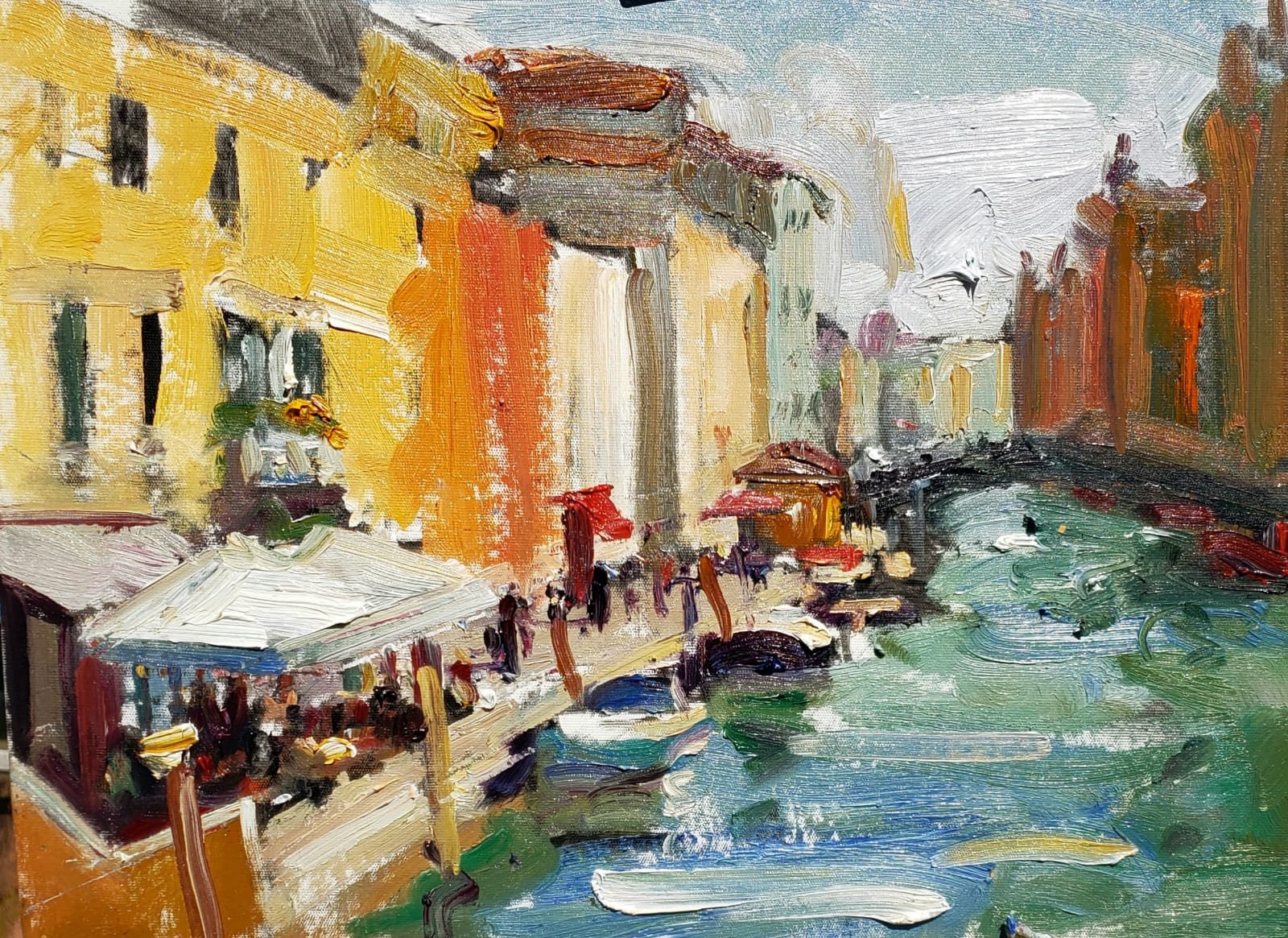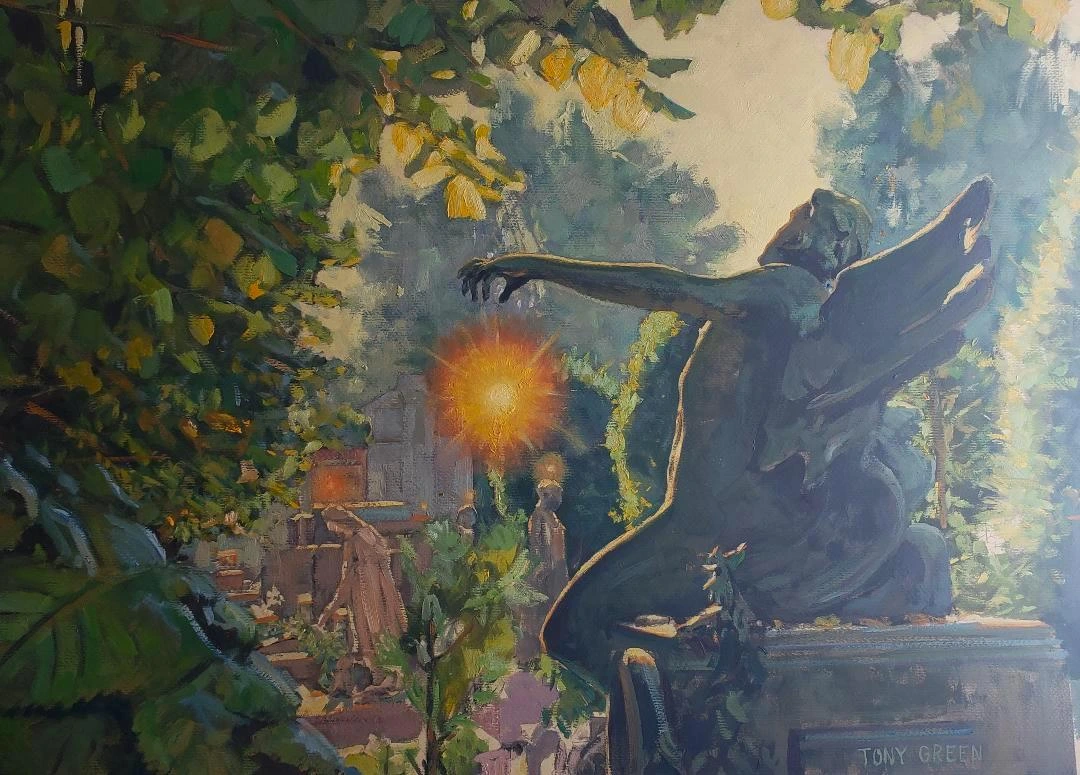
In a sun-drenched room, light filters through sheer curtains, casting delicate shadows on a soft, textured wall. A piece of art hangs quietly above a rustic wooden side table, its vibrant colors dancing against the neutral backdrop. Each stroke tells a story of moments, evoking emotions that shift with the light of day; it feels less like decoration and more like a cherished companion in the home.
Choosing art that lasts in Scottsdale is not merely about acquiring objects to fill space; it’s about making an honest connection with something that resonates deeply. The journey involves discerning personal taste from fleeting trends, understanding the significance of craftsmanship, and recognizing how each selection reflects life experiences and aspirations. The quiet rules of collecting often reveal themselves in these choices, guiding buyers toward pieces that endure both in quality and emotional impact.
As you navigate this path, consider how earlier notes on the art scene can illuminate your journey, paving the way for thoughtful selections that truly resonate within the unique cultural tapestry of Scottsdale.
What choosing art that lasts signals about you
Choosing art that lasts is a reflection of your personal values and aesthetic sensibilities. It demonstrates an appreciation for quality and craftsmanship, highlighting a desire for deeper connections beyond mere decoration. Collectors who select enduring pieces often seek more than just visual appeal; they look for art that resonates emotionally and tells a story. This discerning approach indicates a thoughtful curation process that prioritizes meaning and longevity over fleeting trends.
Furthermore, the art you choose can communicate your aspirations and life experiences, creating a narrative that is uniquely yours. Engaging with artists, such as Tony Green, and understanding the context and process behind their work enriches your collection, allowing you to make informed decisions that reflect your identity. Ultimately, opting for art that stands the test of time conveys a commitment to authenticity and personal expression, distinguishing your collection in a world often swayed by ephemeral fads.
The gap between surface impressions and reality
For anyone considering how to choose art that lasts in Scottsdale, September Art Walk 2026 can make the local art conversation tangible. Notice how the work handles material, scale, and intent, then carry those observations back to the quieter buyer questions of originality, provenance, and whether a piece continues to hold attention beyond its first impression.
When walking through galleries or browsing online collections, the allure of art often captures one’s attention at first glance. Yet, the surface impression may mask deeper narratives waiting to be explored. Understanding the story behind each piece can illuminate its significance and value, offering a richer experience beyond mere aesthetics. For buyers in Scottsdale, where the art scene thrives on innovation and history, delving into these narratives can transform a simple purchase into a meaningful investment.
Art should evoke emotion and reflection, a truth that is sometimes lost amidst the hustle of choosing a piece that merely looks good on the wall. Buyers often overlook the importance of engaging with the artist’s intent, the materials used, and the creative process. This engagement is especially vital during events like the local art event, where conversations around works can deepen understanding and appreciation. Here, art lovers gather to exchange insights, allowing them to connect with the broader cultural landscape that informs their choices.
The distinction between art that merely decorates and art that resonates comes down to this deeper understanding. Collectors should take the time to research provenance and artist backgrounds, ensuring that their selections correspond to their values and aspirations. This thoughtful approach not only enhances personal connection but also fosters a community of informed buyers who appreciate the layers of meaning within each work. As you navigate Scottsdale’s artistic landscape, remember that the stories behind the pieces can elevate a collection from a series of decor items to a cohesive narrative reflecting personal journeys and cultural dialogues.
Choosing in a way that still feels honest
The journey of selecting art often hinges on an instinctive alignment between personal taste and emotional resonance. When considering a piece, allow the narrative to unfold organically. Look for artworks that inspire dialogue, pieces that spark curiosity or a moment of reflection. This emotional connection can often guide you toward selections that transcend trends, ensuring that the work remains relevant and engaging for years to come.
Pay attention to the materials and techniques used by artists like Tony Green, as these elements can speak volumes about their creative philosophies. A well-crafted piece offers not just aesthetic pleasure but also a tactile experience that enriches your environment. Delving into the backstory of a work can illuminate its significance, providing insight into the artist’s vision and the environment that shaped it. This is an opportunity to explore how the unique characteristics of a piece can complement your space while still feeling authentic to your personal style.
Collectors who take the time to reflect on their values are more likely to curate a collection that feels true to who they are. Engaging with local communities, such as visiting vibrant hubs like Canyon Road, can foster connections that deepen these insights. Building a network not only enhances one’s appreciation of art but also encourages more meaningful acquisitions that resonate at a personal level.
Pro tip: Spend time with potential pieces before making a decision.
- Visit galleries and exhibitions regularly.
- Take notes on what resonates with you and why.
- Engage in conversations about art to gain different perspectives.
How this choice reshapes the spaces you move through
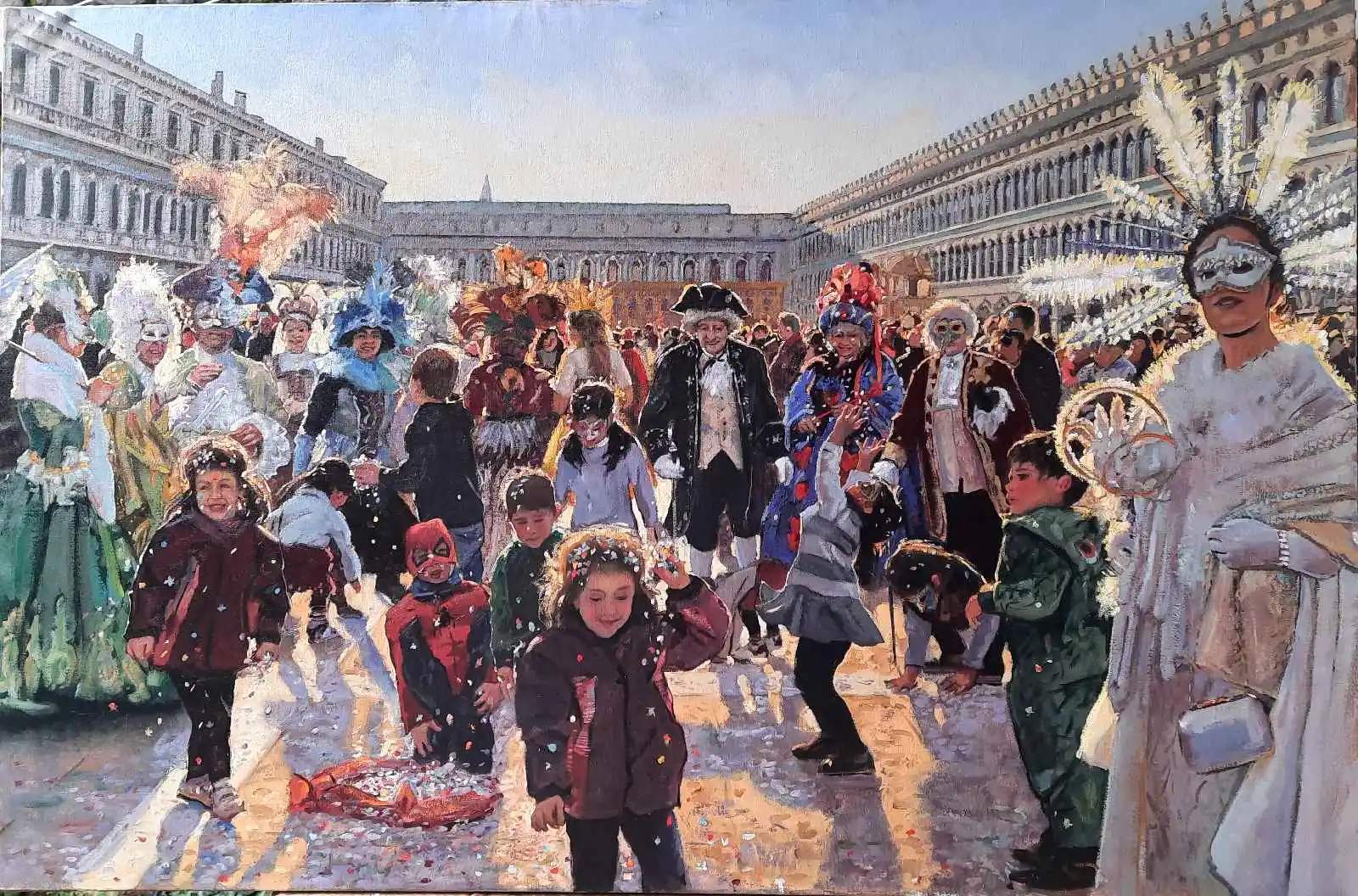
Art has a profound way of transforming not just walls but the very atmosphere of a space. Each piece you select becomes a dialogue between the artist’s intent and your own lived experience. Imagine a vibrant canvas by Tony Green anchoring a room, its colors inviting warmth and conversation. This is where intentionality in art selection plays a crucial role; it shapes not only how you feel in your home but also how guests perceive the spaces you inhabit.
The choice of artwork can influence your emotional landscape. A serene landscape might evoke calm during a hectic day, while an abstract piece may inspire bursts of creativity. Understanding what you want to convey through art allows you to curate an environment that aligns with your aspirations and values. In Scottsdale, where artistic expression thrives, the opportunities to discover pieces that resonate with your identity are abundant.
As you consider art that lasts, think about how it can enhance your daily life. The right piece can become a talking point during gatherings or a soothing presence during quiet moments. Popular events at local venues can serve as a source of inspiration, showcasing a variety of styles and perspectives that might resonate with your aesthetic. Engaging with the community through these events can lead to discovering art that not only decorates but also enriches your everyday interactions.
Pro tip: Pay attention to how different pieces make you feel in various settings.
- Move artworks around to see how they shift the mood of a space.
- Consider colors and styles that complement your existing decor.
- Attend local art events to explore new inspirations.
Owning your taste instead of chasing trends
In the world of art collection, personal taste is paramount. Rather than succumbing to the allure of fleeting trends, discerning collectors in Scottsdale should focus on what genuinely resonates with them. This approach ensures that each piece becomes a reflection of their unique experiences and emotional journeys, rather than just a temporary statement meant to impress. Art should evoke an emotional response, prompting contemplation and conversation, which transcends the superficiality of trends. Embracing personal taste means investing in works that tell your story, that speak to your aesthetic sensibilities, and that you can live with for years to come.
Moreover, understanding the value of craftsmanship and the artist’s intention plays a crucial role in this journey. When collectors prioritize their taste, they also cultivate a deeper appreciation for the artistry involved in creating each piece. Engaging with artists, such as Tony Green, provides insight into the narratives behind the work, enriching the collector’s experience. As you establish your collection, remember that choosing art that reflects your values and style will create a cohesive environment that feels authentic and timeless, setting your collection apart from those driven by temporary trends.
If you want to see the classical approach alive in contemporary work, you can browse the paintings or explore a commission—quietly, on your own terms.