Category: Blog

  • Fine art buying in Scottsdale: A practical guide for collectors

    The wall looked generous until a canvas was lifted into place and the room changed its mind. Afternoon light in Scottsdale can be clean and unforgiving; it catches brush texture, reveals a weak stretcher, and makes a frame feel either intentional or too thin for the work it holds. A painting that seemed modest in a gallery can suddenly dominate a limestone niche or disappear beside a broad stair landing, which is why scale, surface, and surrounding materials have to be read together before anyone talks numbers.

    That is the real task in fine art buying in Scottsdale: making a judgment with enough structure that the purchase still makes sense after the novelty wears off. Provenance tells you what can be verified; condition tells you what time has already taken; medium and support tell you how the work will age; scale and placement tell you whether it can live well where you plan to hang it; authenticity and fit tell you whether the piece belongs in your collection or only in the moment. As explored in our recent Scottsdale piece, earlier notes are only useful if they lead to sharper questions at the next viewing.

    The sections that follow move from what to inspect to what to compare, so you can assess a work with the room, the light, and the long view in mind.

    Table of Contents

    Evidence and paper trail: what to verify first

    The first decision is not whether the work looks compelling; it is whether the offer can be traced. Ask for the earliest available provenance record, the invoice trail, and any exhibition or publication references that attach the piece to a named owner, date, or venue. If the seller can only offer a story without paperwork, the price should move with that weakness, because a thin paper trail changes the object from a documented acquisition into a claim.

    A buyer can make this concrete with one question: “What document would you hand to a curator if they asked where this came from?” A credible answer might include a gallery invoice, estate record, artist receipt, catalogue entry, or a conservation report with matching dimensions and medium. Compare the stated size to the framed and unframed measurements, and note whether the support, signature placement, and medium align across every document; mismatches here are small on paper and expensive later. For a sense of how a disciplined artist presents work and records process, the background on Tony Green is useful context.

    Thin proof does not always mean the work is wrong, but it does mean the burden shifts. A piece with no prior ownership record, no dated images, and no independent mention should be treated as a higher-risk purchase, especially if the asking price assumes established history. When the work has stronger documentation, the conversation becomes easier to narrow: what is original, what has been reframed, what has been cleaned, and whether the facts in front of you match the story being sold.

    If the documentation is solid and the chain reads cleanly, the next question is whether the object itself can carry the value being claimed. That is where condition, medium, and scale start to matter in a more exact way, and where the comparison set should become sharper before any commitment is made.

    Condition, medium, and conservation implications

    The first question is physical, not romantic: what is this made of, and what has it already survived? A tempera panel, an oil on linen, and a mixed-media work on paper do not age on the same schedule, even if they share a similar visual finish. In a Scottsdale home, that matters because heat, bright indirect light, and HVAC swings can expose weak stretcher bars, brittle varnish, cockling, or abrasion faster than a buyer expects. If the paperwork is clean, ask for the condition report anyway, and compare it against what you can see at the edges, verso, and frame line.

    Look for specificity. “Good condition” tells you almost nothing; “stable craquelure, no active flaking, repaired tear at lower left, later varnish, original frame” tells you what the object can likely tolerate and what it may need later. For works on paper, ask whether the sheet is laid down, hinged, or fully floated, and whether matting has left any mount burn or discoloration. If the piece is a classical painting, as with Tony Green’s Venetian-influenced practice, ask what ground, pigment, and support were used, because those choices shape both visual depth and long-term care; his background helps frame that conversation in practical terms.

    Before paying, ask for three things in writing: exact dimensions unframed and framed, the medium stated in conservation language, and a recent condition note with date. If you are comparing two works at similar price points, put them side by side in terms of thickness of paint, surface fragility, and framing cost, because a work that needs museum glass, spacers, or climate caution may carry a higher true cost than the headline price suggests. That comparison is especially useful when browsing the shop, where scale and medium can be weighed against the room you actually have.

    Once the material facts are clear, the next test is whether the piece can live where you plan to place it without asking for constant rescue; if the answer is uncertain, the right follow-up is often a conversation about placement, framing, or a commissioned size that better fits the room.

    Scale, placement, and how the work lives in the room

    The first decision is usually not the purchase. It’s the standard the work has to meet in your room. A painting that looks commanding in a gallery can feel cramped over a narrow console, while a smaller panel can disappear on a long wall if the sightlines are wrong. Before you commit, measure the wall span, the furniture below it, and the height from floor to top rail or ceiling line. Those numbers tell you whether the piece will breathe or fight the architecture.

    In Scottsdale homes, where bright light and open plans can flatten weak placement choices, framing and glazing matter as much as the image itself. A deep frame can give a work more presence; a thin frame can keep it quiet. If the piece will sit near a window, ask what kind of glare it will face at morning and late afternoon, and whether the surface can handle that exposure without losing clarity. If you are comparing options on the shop, note the listed dimensions and imagine the work at actual viewing distance, not just on a phone screen.

    One useful test is simple: tape the dimensions on the wall with painter’s tape and step back from the farthest seat in the room. Does the top edge align with the furniture below, or does it feel adrift? Does the frame finish echo the room, or does it compete with it? These are the questions that decide whether the work lands as a focal point, a companion piece, or a piece that needs another wall entirely. If you want a size or placement that answers to a specific room, a commission can solve what a finished piece cannot.

    Tony Green’s classical method gives the work a physical authority that rewards careful placement; you can read more about his process and background on the About page. That matters because a painterly surface, a gold-toned ground, or a darker field will behave differently under spot lighting than under diffuse daylight. The next question is whether the wall, the frame, and the light are supporting the same story, or asking the piece to carry too many jobs at once.

    Authenticity, comparison, and when the story outruns the object

    That comparison matters even more when the work is being positioned as a bridge between categories—decorative and collectible, recent and established, unique and editioned. If the seller avoids specifics or changes the description when you ask about support, surface, or date, the story is starting to outrun the object. The best sales language narrows to observable facts. A work on linen with a visible ground layer, for example, should be described differently from a heavily varnished panel, and the price should make sense against that difference. For background on the artist’s classical approach, Tony Green’s About page is the right place to start, because method shapes both authenticity questions and how the work should be read in a room.

    Comparison also protects fit. A painting that looks commanding online can feel thin beside a deeper canvas, or too compressed once framed. Measure the visible image, not just the outer frame, and compare it with at least one other credible example from the same hand or period; if a work is cataloged on Shop, check whether the listed scale and medium align with the wall space you actually have. As explored in our recent Scottsdale piece, “Collecting art in Santa Fe questions worth asking first 3,” the smartest buyers keep one eye on provenance and the other on proportion. That discipline is even sharper when a narrative around an artist is vivid, as it can be around The Life and Loves of an Artist; biography may enrich the reading, but it should never be allowed to substitute for the object in front of you.

    How to use Scottsdale as context without outsourcing your judgment

    In Scottsdale, the room does some of the talking for you: pale walls, strong sun, glass, stone, and a lot of clean sightlines. That environment can flatter a work in the gallery and punish it at home, which is why the useful question is not whether a piece looks impressive under showroom light, but how it behaves when it leaves that setting and lands above a console, across from a window, or in a hallway that only gets afternoon spill. Ask to see it from a few steps back and from the side; a painting that holds its shape in raking light is usually easier to live with than one that only performs head-on.

    Lighting deserves the same discipline. If the gallery has cool LEDs and your home runs warmer, the color temperature will change the read of flesh tones, shadows, and gilded passages; a piece that feels crisp in one environment may soften or darken in another. Ask for a quick comparison: “How does this look under warm household lighting versus daylight?” If possible, photograph the work from the distance you’ll actually see it at home, then compare that image to the wall where it will live. For collectors who need a specific room fit rather than a general search, a conversation through commission can be more efficient than forcing the wrong scale into the right address.

    Pro tip: Before you commit, write down three numbers: wall width, intended viewing distance, and the nearest light source. Then ask the seller to confirm how the piece was intended to be seen, framed, and lit.
  • How to buy original art in Santa Fe: What matters before you buy

    How to buy original art in Santa Fe: What matters before you buy

    Late light in Santa Fe can flatten one wall and ignite another. A canvas that looked modest in the gallery suddenly throws a warm edge across the room; a bronze reads heavier than expected; a drawing that felt intimate on a white pedestal starts to disappear once it meets adobe, shadow, and the distance between couch and wall. The room changes the work, and the work changes the room. That first encounter is not about romance so much as proportion: how large the piece feels from the chair, how the surface catches light, whether the frame carries the image or quietly overstates it.

    The fastest way to overpay is to let the story outrun the object. Buying original art in Santa Fe is a judgment problem, and the useful questions are practical ones: who made it, what is the medium, what is the support, what is the condition, what has been restored, how was it stored, how will it hang, and does the scale actually suit the wall you have in mind. Provenance matters because it clarifies ownership and history; condition matters because small losses, cracking, or overcleaning can change both value and longevity; medium and support matter because oil on linen, watercolor on paper, and mixed media on board age differently. Fit matters too, not as decoration but as placement, lighting, and sightline. As explored in our recent Santa Fe piece, earlier notes already hinted at how local context shapes what collectors notice first; here the task is to separate atmosphere from evidence before the purchase is final.

    What follows is a practical path through the decision: what to inspect, what to compare, and what to ask before the work leaves the wall.

    Table of Contents

    Evidence and paper trail: what to verify first

    The first thing to ask for is not a sales pitch, but the trail that lets the work stand on its own: invoice, prior ownership history, exhibition record, and any conservation notes. If the seller cannot produce even a basic chain of custody, the story becomes thinner, and the price should follow. A confident offer with no paper behind it deserves a slower response, because the missing document is often the thing that would have justified the number.

    For a collector comparing works in Santa Fe, that distinction matters immediately. A painting with a dated bill of sale, gallery label, and a clear title history is easier to evaluate than one described only by reputation or family lore. Ask one direct question: “What document would you hand to a lender or insurer?” If the answer is vague, the object may still be appealing, but the decision shifts from acquisition to risk management.

    When the artist is living and the method is classical, as with Tony Green’s Renaissance-based practice at About, the paper trail can be unusually specific. Medium, support, dimensions, and date should align across the certificate, listing, and any studio records; if they do not, the discrepancy needs explanation before value hardens in your mind. A claim that sounds elegant but cannot be matched to a label, receipt, or signed statement is not ready to carry the asking price.

    Thin proof changes the whole purchase. It can lower leverage, complicate resale, and make even a beautiful piece harder to place later, especially if the market will expect provenance similar to what a serious Getty Proven. search begins to establish. Once the evidence is credible, the next question becomes whether the object’s condition and medium can carry the value being claimed.

    Condition, medium, and conservation implications

    The first thing to inspect is not the signature but the surface. A painting can present beautifully in Santa Fe light and still carry hidden strain: craquelure that is stable versus lifting, old retouching that matches the field versus a later repair that flattens the passage, or a canvas that has relaxed enough to telegraph through the image. Ask for the exact medium and support—oil on linen, oil on panel, tempera, mixed media—and get the dimensions including frame if the frame is part of the object. That matters for placement, framing cost, and whether the work will sit comfortably in a room with strong afternoon sun or dry heating.

    Medium changes the conservation outlook. Oil on panel behaves differently from oil on canvas; gilding, varnish, and glaze layers age on their own schedules; works on paper may need UV protection and careful matting. If a seller can tell you when the last varnish was applied, whether the work has been cleaned, and whether any restoration was documented, you learn far more than from a polished sales description. A useful question is simple: What exactly has been altered, stabilized, or replaced, and when? If the answer is vague, ask for condition photos in raking light and, when appropriate, a conservator’s note.

    For a buyer comparing pieces on Tony Green’s site or elsewhere, the practical test is whether the material story matches the asking price. A work with sound structure, legible surface, and clean edges can justify a higher number than a similar image with abrasion, unstable varnish, or poor storage history. That is especially true when the object is intended for a prominent wall; the right piece should not only look strong at a distance, it should survive closer viewing without revealing avoidable damage. If you need a room-specific fit, the commission path is often the cleaner answer than forcing an undersized or fragile work into the wrong setting.

    Keep the paper trail tied to the object’s physical life: invoices, prior ownership notes, conservation reports, and a clear record of dimensions and medium.

    Scale, placement, and how the work lives in the room

    The first decision is usually not the purchase. It’s the standard. A painting that looks commanding in a booth can collapse over a narrow console, while a small panel can feel exact above a reading chair if the proportions are disciplined. Measure the wall space, the furniture below it, and the sightline from the doorway; then compare those numbers to the listed dimensions and the framing depth, not just the image size. If the work is on paper, ask whether the frame adds a mat that changes the footprint, because that extra border can decide whether the piece feels airy or cramped.

    Light changes the buying decision as much as size does. South-facing rooms can tolerate stronger color and denser surfaces; dim hallways ask for contrast, clean edges, and a composition that reads at a glance. If you are considering one of Tony Green’s classical paintings, the method and surface character described on the About page help you anticipate how the work will behave under raking light, while the Shop gives you a practical sense of scale and medium before you commit. A buyer should ask for one straight-on image and one angled image in the intended room, because varnish, glazing, and texture can alter the visual weight more than the catalog picture suggests.

    That room test becomes especially useful when the work has to live with architecture rather than float above it. A tall corridor wants vertical energy; a low-ceilinged den usually needs something with broader lateral balance. If the piece will sit near windows, lamps, or a fireplace, ask where glare will land at noon and at night, and whether the frame finish will compete with brass, plaster, or dark wood. During the Opening Reception: Four Stories conversation around how images change as viewers move, the same point applies here: the work is not just what you see head-on, but what the room allows you to see from six feet away, ten feet away, and in passing.

    Authenticity, comparison, and when the story outruns the object

    In Santa Fe, where strong narratives can travel faster than careful looking, the useful question is simple: what can be verified without the seller speaking at all? Ask for the invoice trail, exhibition history, restoration notes, and a written statement of medium and dimensions. If the work is framed, confirm whether the measurements include the frame or only the image area. A difference of even a few inches can change how a piece reads in a narrow adobe wall or above a deep bench. Tony Green’s own method is rooted in classical discipline, which makes those specifics more—not less—important when comparing one work to another. When the story starts to outrun the object, the mismatch is usually visible before it is verbal. A painting described as rare should not look mechanically refreshed. A work said to be early should not present materials that read later. A piece promoted as monumental should not collapse in the actual proportions of your room. If you are comparing several candidates, line them up by support, medium, edge treatment, and scale, then ask which one holds up after the sales language is removed. For available examples with those facts already attached, the shop gives you a cleaner basis for comparison than a polished pitch does. That is also where fit becomes more exacting than taste. A strong object can still be wrong if its scale overwhelms the wall, its frame pulls attention away from the image, or its surface needs light that the room cannot give. Pro tip: Make the claim prove itself against the object and comparison set. Compare signature, surface, and handling with credible examples. If the story is stronger than the evidence, slow down. Ask what would change your decision before price enters the room. How to use Santa Fe as context without outsourcing your judgment The local market also rewards confidence in scale. In a city where many rooms are adobe-walled, textured, and visually busy, a piece can feel smaller once it leaves the white cube and meets beams, niches, furniture, and competing objects. Measure the wall, then stand back the distance you would have in the actual room and compare that span to the visible image area, not just the frame. If you are weighing a work from Tony Green’s shop , that comparison matters even more, because classical painting can carry a lot of presence without needing oversized dimensions. For a room-specific fit, a discussion through commission is often the cleaner move than forcing a near-match. What changes most after purchase is not the subject but the weather around it: the wall color, the lamp temperature, the distance from seating, the way morning sun skims across glass or leaves a matte surface alone. Before you buy, ask for a photograph of the piece in a plain interior and, if possible, one with a measuring tape in frame so you can judge margins and breathing room. If the work is framed, confirm whether the frame is part of the intended presentation or an added layer you may want to replace; in Santa Fe, where interiors often mix old wood, plaster, and contemporary furnishings, the frame can either settle a painting into the room or make it look imported from somewhere else. For background on the painter’s method and classical approach, the About page gives useful context without turning the purchase into a mystery.

    how to buy original art in Santa Fe – Santa Fe
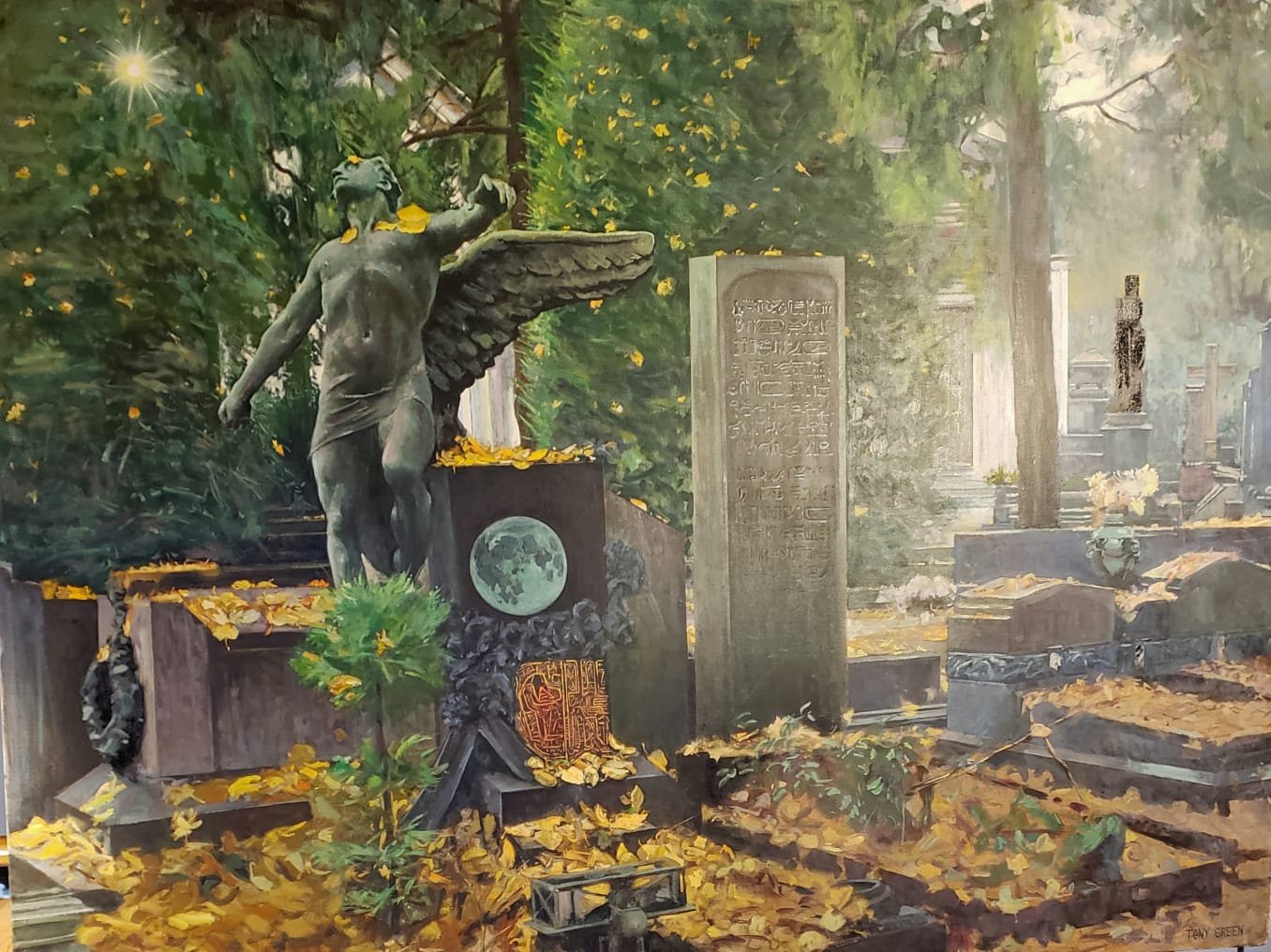
    AUTUMN LEAVES (WINTER COMES)
  • Collecting art in Scottsdale: What matters before you buy

    Collecting art in Scottsdale: What matters before you buy

    Late afternoon in Scottsdale has a way of revealing paintings honestly. A canvas that looked calm under gallery spots can suddenly show its true scale against a warm wall, and the frame’s edge, the weave of the support, even the shadow it throws can change the whole room. In a bright living space with pale stone, glass, and low furniture, a work either settles in cleanly or starts asking for more distance, more light, or a different wall altogether.

    This guide treats collecting as a series of buying judgments, not a mood. Before any price makes the decision for you, the useful questions are concrete: who handled the work before it reached you, what condition issues are present or hidden, what medium and support you are actually buying, how the dimensions relate to the wall and the furniture beneath it, whether the framing is appropriate, and whether the piece reads as authentic in hand and in context. That matters in Scottsdale because homes here often ask art to carry presence across open plans, deep sightlines, and strong daylight, which means fit is part of value, not an afterthought.

    If you have been following the earlier notes, the next sections narrow that same lens into what to verify, compare, and measure before a work leaves the gallery or studio.

    Table of Contents

    Evidence and paper trail: what to verify first

    The first thing worth asking for is not a story, but proof that can survive a second look. A serious offer should come with an invoice or bill of sale, the artist’s name as it appears on the work, title if there is one, date, medium, support, and dimensions; if the piece has exhibition history or publication history, that should be stated plainly rather than implied. When the paper is thin, the decision changes fast: you are no longer comparing an identified work against comparable examples, you are weighing a claim that may be difficult to substantiate later.

    For work by Tony Green, a collector should also ask how the piece is documented within the studio record and whether the details on the surface match the details on paper. A photograph of the front and back, a close view of signature or inscriptions, and a note on any prior framing, restoration, or studio handling can settle basic questions before they become expensive ones. If you want to understand the artist’s method and background before asking for that file, the About page gives a useful frame; if you are comparing available work by medium or scale, the Shop page helps anchor the conversation in actual objects rather than descriptions.

    Thin provenance does not automatically disqualify a work, but it lowers confidence in every other claim attached to it. A piece with a clean chain of ownership, dated documentation, and consistent measurements is easier to value, insure, and resell; a piece that arrives with only a verbal account asks the buyer to absorb more risk than the price usually admits. In practical terms, ask: who owned it before, when did the work change hands, and can those facts be supported by a receipt, gallery record, exhibition label, or conservation note? If the answer is vague, the offer should be treated as provisional until the paper catches up.

    That same discipline helps when a work is being considered for a specific space. A custom commission may be the cleaner route when the story is strong but the available proof or proportions are not yet aligned, and the Commission page is the place to discuss what can be made to measure rather than what must be defended after the fact.

    Pro tip: Verify the paper trail before you let the story set the price.

    • Ask for invoice, certificate, or studio documentation.
    • Write down what is missing before you compare alternatives.
    • Use the next section for materials and condition, not as a repeat of the proof check.

    Condition, medium, and conservation implications

    The paper trail may settle who made the work, but the surface tells you how the work has lived. In Scottsdale, where strong light and dry air can make a room look ideal until a piece starts to age in it, condition is not an abstract category; it is the difference between a painting that can be placed confidently and one that will need immediate intervention. Look closely at the support, the paint layer, and any varnish. On canvas, ask whether there is slack, cupping, prior patching, or an old relining. On panel, check for warping, cracks at the joins, and edge wear. If the work is on paper, note mat stains, foxing, and whether the framing has ever been opened. Those details should match the object’s date, medium, and the seller’s description.

    Medium changes the conversation about care and value. A classical oil painting by Tony Green, for example, will behave differently from a work in mixed media or on paper, and the buyer should ask what layer is doing the visual work: oil glazes, tempera passages, gilding, or graphite underdrawing. That answer matters because each material ages differently and asks for different handling, glazing, and lighting. If the piece comes with conservation treatment, ask for the conservator’s report and the date of intervention; if not, ask whether the surface has been cleaned, revarnished, or inpainted. A seller who can name the material build-up precisely usually knows the object well enough to price it honestly, alongside the evidence already reviewed.

    Before payment, the useful questions are concrete: “Has this work been restored, and if so, by whom?” “What is the exact support size without frame?” “Are there any losses, retouching, or replaced elements?” “Can I see the back, the edges, and the hanging hardware?” If you are comparing pieces, line up the dimensions, medium, and condition notes side by side; a slightly smaller work in better condition may be the stronger buy.

    Scale, placement, and how the work lives in the room

    Once the facts are on the table, the real question is simpler and more demanding: can the piece live comfortably where you plan to see it every day? A work that looks commanding in a gallery can feel cramped above a low sofa, while something modest on paper may become the most exacting object in a quiet hallway. Measure the wall, the furniture beneath it, and the viewing distance before you buy; a 36-inch image over an 84-inch sofa reads very differently from the same image above a narrow console. In Scottsdale homes with strong light and clean lines, that proportion matters as much as the image itself.

    Framing changes the conversation almost as much as size. Ask whether the dimensions you were given include the frame or only the support, and compare the frame depth to the wall it will occupy. A heavier frame can make a small painting feel finished, but it can also push the work too far into the room or clash with the architecture. If you are weighing a classical painting by Tony Green against another work in your collection, use the frame to test the object’s authority: does it sharpen the image, or does it compete with it? His about page gives useful context on the method behind that finish, while the shop can help you compare available scale and support types.

    Light is the other part of the room test. Natural light can reveal surface nuance in oil, drawing attention to glaze, brushwork, and edges, but direct sun can flatten color and punish fragile materials over time. Before committing, picture the work at morning, noon, and evening; if the intended wall sits opposite a bright window, ask whether glare will force you to change the placement or the glazing. For a commission, that is where a room photo and wall measurement become useful rather than ceremonial: they tell the artist whether the composition should open wider, sit lower, or carry more visual weight. If the fit is close but not quite right, a commission can solve the mismatch without compromising the room.

    A 90-second checklist before you buy

    Then check whether the story attached to the work still matches the object in front of you: artist background, medium, and any provenance note should agree without strain. If you want that context in fuller form, Tony Green’s About page is the useful reference point, and for collectors who like to cross-check names and history, Getty Proven. is the kind of external record that sharpens the conversation. A recent read like The Life and Loves of an Artist can be a reminder that the narrative around a work should illuminate the object, not float away from it.

    If the scale, support, and paperwork all line up, the next question is whether the piece will actually sit well in the room it is meant for. That is where a room photo, a tape measure, and a clear wall target are enough to decide whether you are buying a solved placement or a problem you will have to solve later.

    Authenticity, comparison, and when the story outruns the object

    If the paperwork is tidy, the real test is whether the object itself keeps the same story under close viewing. Hold the claims next to the surface: does the signature sit where that hand would place it, does the support match the stated date, and do the proportions feel consistent with comparable work by the artist? In a market like Scottsdale, where polished presentation can move quickly, a buyer should ask for one clean comparison point: a dated image, a catalogue entry, or another work with the same medium and period. If the seller cannot explain why this piece belongs in that group, the narrative is already pulling ahead of the object.

    The story outruns the object when the language grows more elaborate than what the piece can verify. That happens when a seller leans on rarity, a grand lineage, or an imagined future value while skipping the simplest comparison: does the work read as coherent from six inches away and from across the room? A buyer can press this point with one sentence: “Show me the closest comparable work, and show me what is different here.” If the answer is clear, the purchase gets easier; if it wanders, the next conversation belongs in a commission or a narrower search, not in a rushed sale.

    How to use Scottsdale as context without outsourcing your judgment

    Scottsdale can sharpen a buyer’s eye because the rooms are often bright, the architecture is open, and the competition for wall space is unforgiving. A painting that feels generous in a quiet gallery can flatten against limestone, glass, and long sightlines; a smaller work can suddenly carry more authority than a large one if the scale is disciplined. That is useful context, not a verdict. The question is whether the piece still holds its line when the room changes, because a work that survives a sunlit interior usually has a stronger internal structure than one that only performs under sales lighting.

    When the sales language fades, the object should still answer a simple test: would this piece remain convincing if it were moved tomorrow? That is the moment where provenance, condition, and presentation stop being abstract categories and become part of daily living with the work. If you want to compare available scale and medium against what is on the market, the shop gives a cleaner baseline than a styled room, and the next decision becomes less about persuasion than about placement, light, and whether the painting can carry the room without asking for excuses.

    collecting art in Scottsdale – Scottsdale
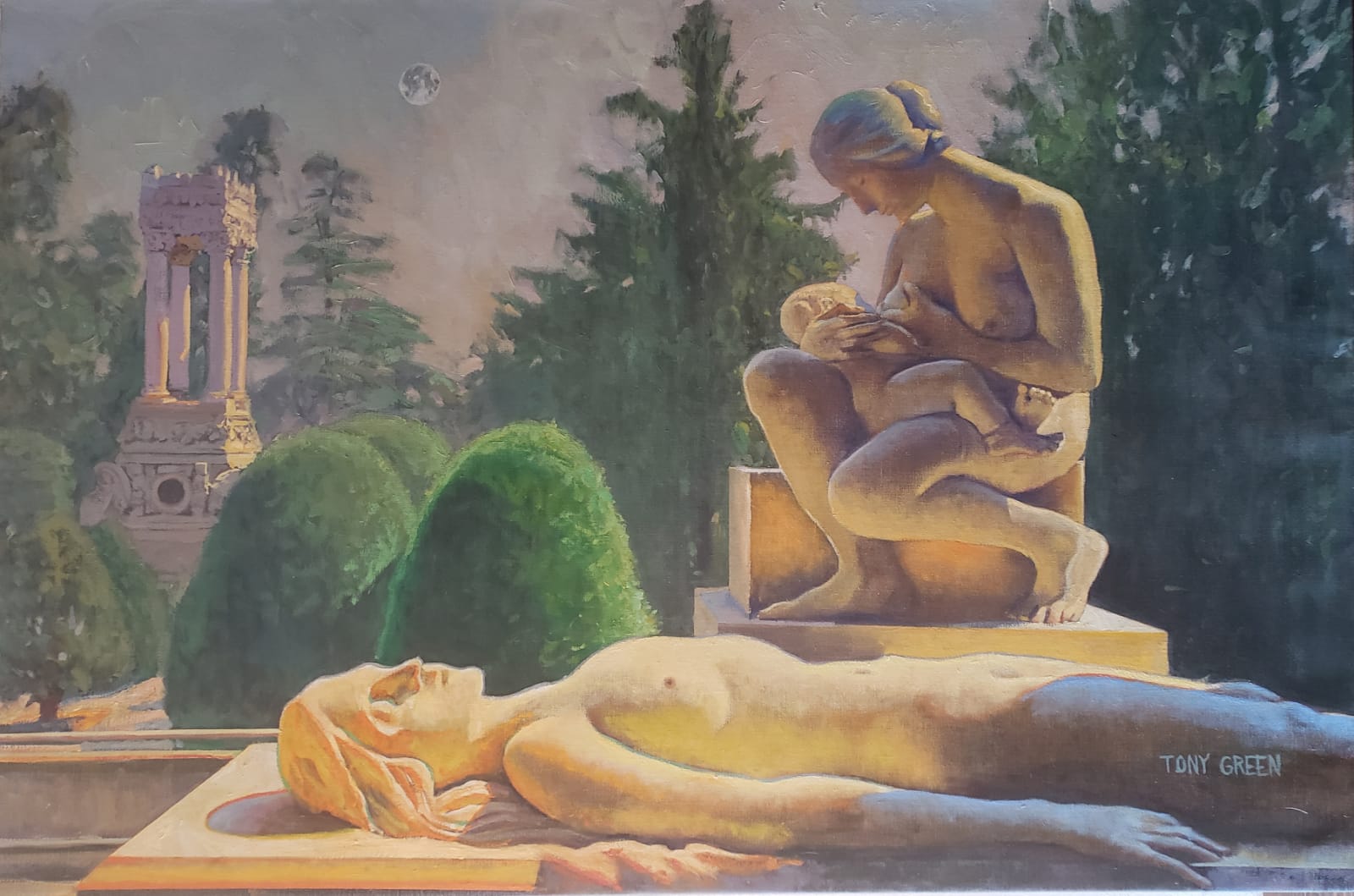
    LIGHT BEINGS
  • Collecting art in Scottsdale: Questions worth asking first

    Collecting art in Scottsdale: Questions worth asking first

    By late afternoon, Scottsdale light can flatten a room if the wall is too pale and the frame is too thin, or suddenly sharpen it if the surface has enough texture to catch the glow. A painting that felt calm in the gallery can come home and start speaking too loudly from across the sofa, while a smaller work can disappear once it meets a long corridor or a high ceiling. In that first hour after unpacking, the whole room tells you whether the piece belongs there.

    That is the real test of collecting art in Scottsdale: not whether a work is admired in the abstract, but whether its provenance holds up, its condition is honest, its medium and support suit the environment, and its scale, placement, and framing make sense in the room where it will live. A good purchase can still be the wrong purchase if the signature is unverified, the varnish has yellowed, the canvas is overstretched, or the dimensions overpower the architecture. The best buyers ask what can be confirmed, what can be compared, and what will still matter after the novelty fades.

    What follows builds from those earlier notes into a practical way to weigh each decision before money changes hands.

    Table of Contents

    Evidence and paper trail: what to verify first

    The first question is not whether the work looks convincing; it is whether the offer can be supported. Ask for the earliest document the seller can produce: invoice, gallery receipt, certificate of authenticity, exhibition label, or a dated letter from the artist. If the story begins with “it came from a private collection” and stops there, the burden has shifted to you. Thin proof does not automatically make a work false, but it does change the deal from acquisition to investigation.

    A solid paper trail should let you connect the object to a person, a place, and a date. Compare the title on the paperwork with the title being used now, then check the listed medium and dimensions against the piece in front of you; even a half-inch discrepancy matters when you are evaluating Getty Proven. or a comparable record. For artists with a studio practice that includes classical methods, ask what exactly was painted on—panel, linen, canvas—and whether the support has been relined, restretched, or reframed. Those details are not decorative; they tell you whether the object has stayed intact or been substantially altered.

    Provenance that reads like a chain of custody is stronger than provenance that reads like a story. If a seller names prior owners, ask for one confirming document from each stage: a gallery sticker, a consignment record, a published exhibition checklist, or a shipment note. In the Scottsdale market, where buyers often compare gallery work with studio work, that difference can determine whether the price belongs to the art itself or to the narrative attached to it. Tony Green’s background and the available works give you a useful model for asking for medium, scale, and authorship in plain terms before you commit.

    If the proof is incomplete, do not let the conversation drift into aesthetics to compensate. A work with sparse documentation may still be worth considering, but only after the missing pieces are named: who owned it, when it changed hands, and whether there is any exhibition or publication history that can be checked against the object.

    Condition, medium, and conservation implications

    The first thing to inspect is not the signature but the surface. Under raking light, look for lifting varnish, unstable craquelure, repaired tears, overpaint, abrasions at the corners, and stretcher marks that suggest stress from a poor environment. Those details matter because they tell you whether the work can age gracefully in a Scottsdale home with strong light and dry air, or whether it will demand a more controlled setting. If the seller has paperwork, compare the condition notes against the object itself and ask for the date of the last conservation review.

    Medium changes the conversation as much as condition does. Oil on linen behaves differently from acrylic on panel; works on paper need glazing, UV protection, and careful framing; mixed media may include adhesives or pigments that are more vulnerable than they first appear. Ask for the support, the ground, the varnish history, and the exact dimensions with frame and without frame, because a half-inch can decide whether a piece sits cleanly over a mantel or feels crowded on a narrow wall. Tony Green’s method is rooted in classical practice, so when you compare one of his works with pieces from the shop, you can ask directly how the materials were selected and what kind of longevity they are meant to support.

    Here’s the part most people skip. A buyer should ask, in plain language, “Has this work been cleaned, relined, stabilized, or revarnished, and by whom?” That one question often opens the real conservation history. If a work has been restored, request the treatment report and the before-and-after photos; if it has not, ask what the artist or dealer recommends for framing, hanging height, and lighting. A piece shown in conversation with the ideas behind Artists & Writers in Conversation might invite a poetic reading, but the purchase still rises or falls on whether its materials are stable enough to live where you intend to place it.

    When the object is meant for a specific room, the next question is practical: will the medium tolerate heat, sun, and traffic, or should it be placed elsewhere? That is where condition meets use.

    Scale, placement, and how the work lives in the room

    The first test is not whether the image is compelling from across a gallery, but whether its dimensions answer the wall you actually have. Measure the wall width, the furniture below it, and the viewing distance from the nearest seat; then compare that to the framed size, not just the image area. A work that reads elegantly in a white room can feel stranded above a low console or crowded between two strong architectural lines.

    Framing changes that equation fast. Deep mats, heavy gilded profiles, and shadow-box construction all add visual weight, and that weight matters in a Scottsdale home where light is often strong and surfaces are clean-edged. If the piece will hang near windows, ask whether the glazing is UV-protective and whether the finish can handle glare; if it cannot, move it to a wall with softer light or choose a different format. For a classical painting, the frame should support the image without overpowering it, especially if the work already has a strong tonal presence.

    Placement is really a question of sightline. Stand where you will see the work most often: from the dining table, at the end of a hallway, or above a sofa. Does the composition hold at that distance, or does it collapse into detail that only rewards close viewing? Tony Green’s method and his available work make this easier to judge because the medium, support, and scale are part of the object’s identity, not an afterthought. If the piece is being considered for a room with specific proportions, a commission can solve the fit before the final brushwork is even set.

    The useful comparison is simple: photograph the wall, tape out the outer dimensions, and check whether the work leaves enough breathing room on each side. If the answer is yes, the next question is whether the light, frame, and viewing angle preserve that calm once the piece is installed.

    Authenticity, comparison, and when the story outruns the object

    Here’s the part most people skip. If the story leans harder than the object, slow down and ask for one concrete comparison: another work by the same artist, same period, or same process. When you can place Tony Green’s classical method beside a comparable example in his shop or review his background on the About page, you can judge whether the surface handling, scale, and finish match the claim being made. If they don’t, the narrative is doing work the painting should be doing itself.

    What you want is alignment: object, documentation, and use. If one of those three is carrying the rest, the purchase is still unfinished. The next decision is whether the work’s character holds when you look at it as a candidate for your collection rather than as a persuasive description.

    How to use Scottsdale as context without outsourcing your judgment

    Scottsdale can sharpen the eye without becoming the decision-maker. In a market where rooms are bright, walls are often generous, and buyers move between polished galleries and private homes with very different light, the useful question is not whether a work looks impressive under perfect gallery lamps. It is whether it still feels balanced when it meets your actual wall, your distance, and the hours of sun that fall across the room.

    That same lens makes the next conversation easier: if the work is close but not quite right for the wall you have, ask whether a commissioned format would solve the placement problem without compromising the painting’s character. A room-specific adjustment is often the cleaner answer than forcing the wrong size into a good collection.

    If you want to test these judgments against real options, browse the available works with an eye on medium, dimensions, and wall presence; if the room, scale, or subject needs to be solved more precisely, start with a commission.

    collecting art in Scottsdale – Scottsdale
    CALYPSO