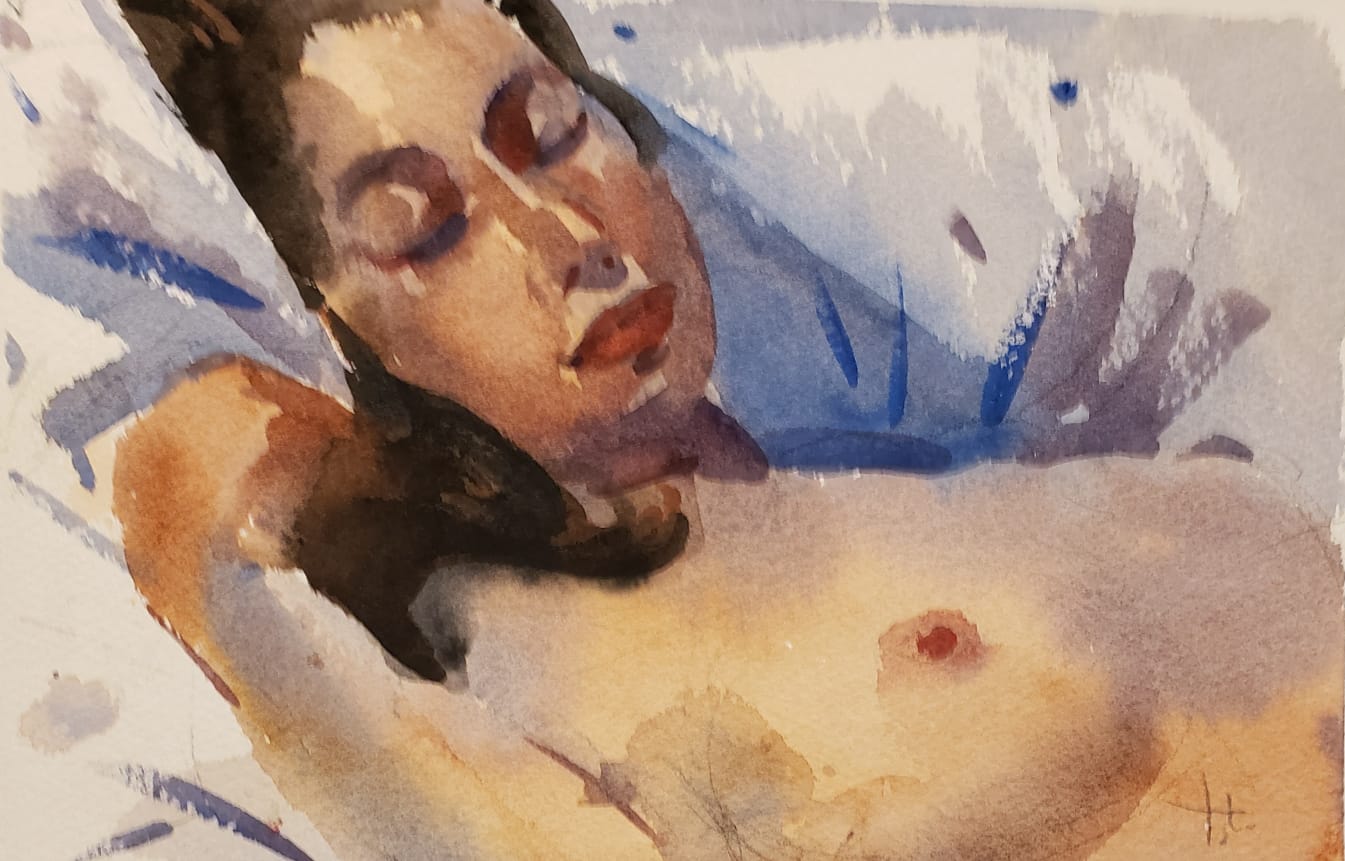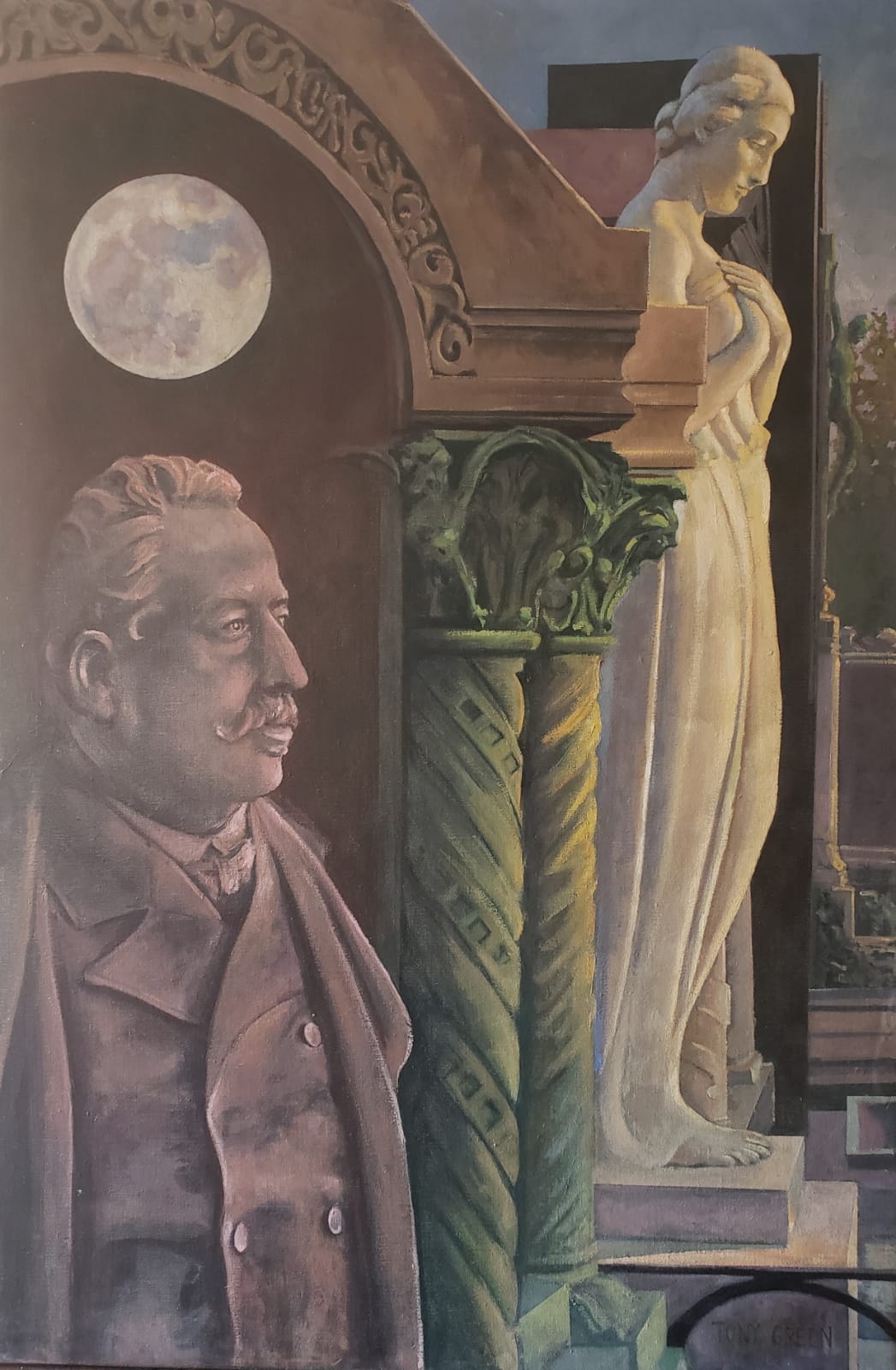
In a sun-drenched gallery on Canyon Road, the light spills through rustic wooden windows, casting playful shadows on vibrant canvases. Each piece commands attention, telling stories that resonate with the soul. The air is rich with the smell of linseed oil and turpentine, mingling with the earthy scent of adobe walls. This is not just a place to view art; it’s a sanctuary for those who seek connection through creativity. Here, collectors wander, eyes wide open, searching for that elusive spark of inspiration.
Evaluating art in this unique environment requires more than a simple eye for beauty; it demands a deep honesty and an understanding of the narratives behind each work. Collectors must engage with the textures and colors, consider the artist’s intent, and listen to their own instincts. It’s a dance of signals—what speaks to you, what resonates with your essence, and what feels like a genuine reflection of your taste. Amidst the vibrant local culture and rich art history, discerning the right pieces becomes an intimate journey toward authenticity.
As we explore the nuances of collecting art in Santa Fe, consider how personal connections and earlier notes on local experiences can shape your choices, ultimately guiding you to pieces that not only adorn your walls but also enrich your life.
What collecting art signals about you
Collecting art is a deeply personal endeavor that reveals much about the individual behind the acquisition. For many collectors in Santa Fe, their art selections serve as an extension of their identity, communicating values, interests, and even aspirations. The choice of specific artists, styles, and pieces often reflects a collector’s personal journey, experiences, and emotional connections. Each artwork can embody memories, provoke thought, and inspire dialogue, essentially acting as a mirror to one’s inner self. An appreciation for an artist like Tony Green, for instance, could signify a collector’s affinity for vibrant expression and the exploration of contemporary themes, resonating with their own life philosophy and taste.
Moreover, the act of acquiring art signals a commitment to supporting the creative community and understanding the nuances of artistic expression. Collectors in Santa Fe, immersed in a rich landscape of artistic diversity, often seek pieces that resonate with cultural narratives and historical significance. This conscious engagement not only enriches their personal collection but also contributes to a broader appreciation of the arts. The artworks chosen become a canvas showcasing the collector’s worldview, preferences, and the values they treasure. In this way, collecting art is not merely about ownership; it encapsulates one’s journey towards self-discovery and connection with the larger narrative of human creativity.
The gap between surface impressions and reality
For anyone considering collecting art in Santa Fe, Santa Fe Literary Review Annual Reading and Reception can make the local art conversation tangible. Notice how the work handles material, scale, and intent, then carry those observations back to the quieter buyer questions of originality, provenance, and whether a piece continues to hold attention beyond its first impression.
When exploring the art scene, it’s easy to get caught up in surface impressions. Whether it’s the vibrant colors of an oil painting or the intricate details in a sculpture, initial reactions can sometimes overshadow deeper connections. This is particularly true in a city like Santa Fe, where the visual allure can be powerful. However, potential collectors must dig deeper, assessing how a piece resonates personally and how it fits into their narrative. Conversations with gallery owners can yield valuable insights, helping buyers appreciate the larger context behind a work, such as its artistry, technique, and the experiences that have shaped it.
Visiting places like Canyon Road can provide a feast for the senses, but the whirlwind of impressions can be misleading. Each gallery offers a unique perspective, yet the real stories often lie hidden beneath the surface. Engaging with an artist’s body of work or understanding their influences can reveal layers of meaning. For instance, attending events like the local art event not only highlights local talent but also fosters a sense of community and exchange. This atmosphere encourages a deeper appreciation for the art being created and collected.
Ultimately, it’s about forming relationships—with the artwork, the artists, and the broader community. The art world thrives on connection, and those connections are what add value, enriching the experience of collecting. As you navigate the local scene, remember to balance your excitement with thoughtful inquiry, ensuring that each piece you consider adds genuine meaning to your collection.
- Attend gallery receptions and artist talks.
- Research an artist’s past exhibitions and accolades.
- Consider how a piece aligns with your personal taste and space.
Choosing in a way that still feels honest
Silent moments in galleries can be revealing, allowing the artwork to resonate without the noise of collective opinions. When stepping into a space filled with oil paintings, take time to absorb not just the visual appeal but the emotions they evoke. Every piece carries a story, and discerning which ones speak to you can transform the experience of collecting into something deeply personal. This intrinsic connection often guides collectors more than any market trend or advice might.
As you explore options, assess how a work fits within your broader aesthetic vision. Think of the relationships between pieces: do they complement or contrast? Consider how the artwork interacts with the spaces it will inhabit, from the light that dances across its surface to the stories it will tell over time. In Santa Fe, where the light has inspired countless artists, this assessment becomes part of the charm of art collecting.
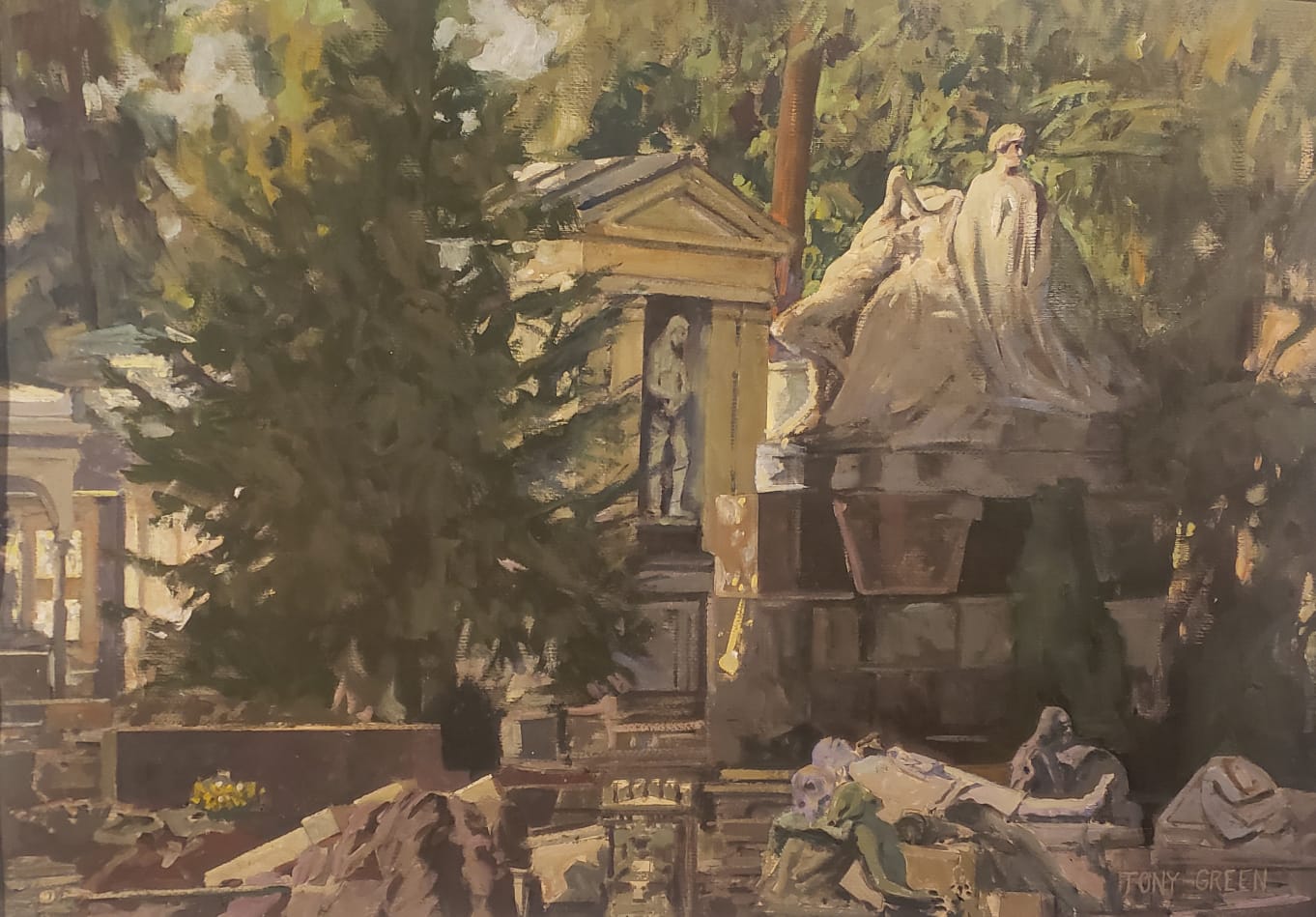
While personal taste remains at the forefront, it’s essential to think about provenance. Understanding a piece’s background—where it was created, its journey through other collections—adds richness to your purchase. Researching an artist like Tony Green, whose work may be observed in various venues, can provide insights that deepen appreciation and justify your investment. For guidance on this topic, resources from the Getty Provenance can be invaluable.
Throughout this journey, let authenticity guide your decisions. The joy of collecting lies in curating a collection that feels uniquely yours, full of pieces that resonate with your life and values. This approach transforms collecting from mere acquisition into a meaningful expression of self, where each artwork you choose becomes a part of your personal narrative, reflecting the stories you wish to tell.
How this choice reshapes the spaces you move through
The art you choose can profoundly alter the atmosphere of your home or office. Each piece acts as a visual narrative, inviting conversations and reflections. In a city renowned for its vibrant art scene, selecting works that resonate with you can create a sanctuary of creativity and inspiration. Imagine entering a space where a stunning oil painting draws the light, setting a tone that shifts with the time of day, or a portrait that invokes stories of the past, sparking curiosity and dialogue among visitors.
Spaces in Santa Fe are often imbued with history and character, making the selection of art an even more significant endeavor. The unique architecture, blending Pueblo influences with modern aesthetics, serves as a backdrop for art that not only complements but enhances your environment. As collectors refine their choices, they are also curating an experience, one that reflects their journey and values, influencing how they and others perceive their surroundings.
The local community thrives on shared experiences, and art becomes a part of that cultural fabric. Attending exhibitions on Canyon Road or visiting the O’Keeffe Museum can deepen your understanding of the regional artistic movement. These places invite collectors to witness the dynamic interplay of art and environment, emphasizing how thoughtfully selected pieces can reshape not just physical spaces but also our emotional landscapes.
- Think about scale and placement.
- Evaluate how your lighting will affect the artwork.
- Choose pieces that tell a story or evoke emotion.
Owning your taste instead of chasing trends
Amidst the vibrant art scene, it’s easy to feel the pull of current trends and popular styles. Yet, true satisfaction comes from choosing pieces that resonate with your personal taste rather than simply following the crowd. Every artwork tells a story, reflecting not only the artist’s vision but also the emotions and experiences of the collector. This connection amplifies the role art plays in your life, transforming a mere decoration into a cherished treasure.
As you explore galleries and exhibitions, take the time to understand what truly captivates you. Engage with the narratives behind the pieces, allowing them to guide your choices. This introspective approach enables you to cultivate a collection that feels authentic and personal. By prioritizing your preferences, you allow your space to evolve organically, showcasing art that continues to inspire and provoke thought.
When visiting places like Canyon Road, take note of how diverse styles coexist and how each piece reflects the character it embodies. This variety can encourage you to discover new facets of your taste, enriching your collection further. As you navigate through this artistic journey, remember that investing in art is not solely about monetary value; it’s about fostering a deeper appreciation for creativity that aligns with your unique perspective. The art you choose should resonate with your identity, becoming an enduring part of your life’s narrative.
If you want to see the classical approach alive in contemporary work, you can browse the paintings or explore a commission—quietly, on your own terms.