
Sunlight filters softly through the sheer curtains of a spacious living room, illuminating the textured walls adorned with a selection of carefully chosen art pieces. The rich hues of a landscape painting echo the warm earth tones of the surrounding desert, while vibrant brush strokes bring a sense of movement and life. Each piece you pass whispers stories—of the artist’s journey, the inspiration drawn from nature, and the moments that spark joy in daily life.
Choosing art is more than just selecting colors and compositions; it’s about aligning with values that resonate personally. It involves navigating unspoken rules, recognizing the subtle signals that speak to authenticity and craftsmanship, and remaining honest with oneself about what truly captivates the spirit. This guide offers a perspective on how to approach art selection thoughtfully, so that your choices reflect not just aesthetic preferences, but a deeper connection to the narrative behind each piece.
As you move forward in your exploration, consider reflecting on earlier notes that elaborate on the vibrant art scene, providing context that may enrich your understanding of what makes a piece endure beyond fleeting trends.
Table of Contents
- What choosing art that lasts signals about you
- The gap between surface impressions and reality
- Choosing in a way that still feels honest
- How this choice reshapes the spaces you move through
- Owning your taste instead of chasing trends
What choosing art that lasts signals about you
Amidst the ever-changing landscape of Scottsdale, the art you choose speaks to your personal narrative. Each selection reveals your tastes, your values, and what you deem worthy of displaying within your intimate spaces. A meticulously crafted piece can signal a commitment to quality and an appreciation for the stories that lie beneath each brushstroke. It speaks to a discerning eye, one that recognizes the nuances of craftsmanship and the importance of supporting artists dedicated to their craft.
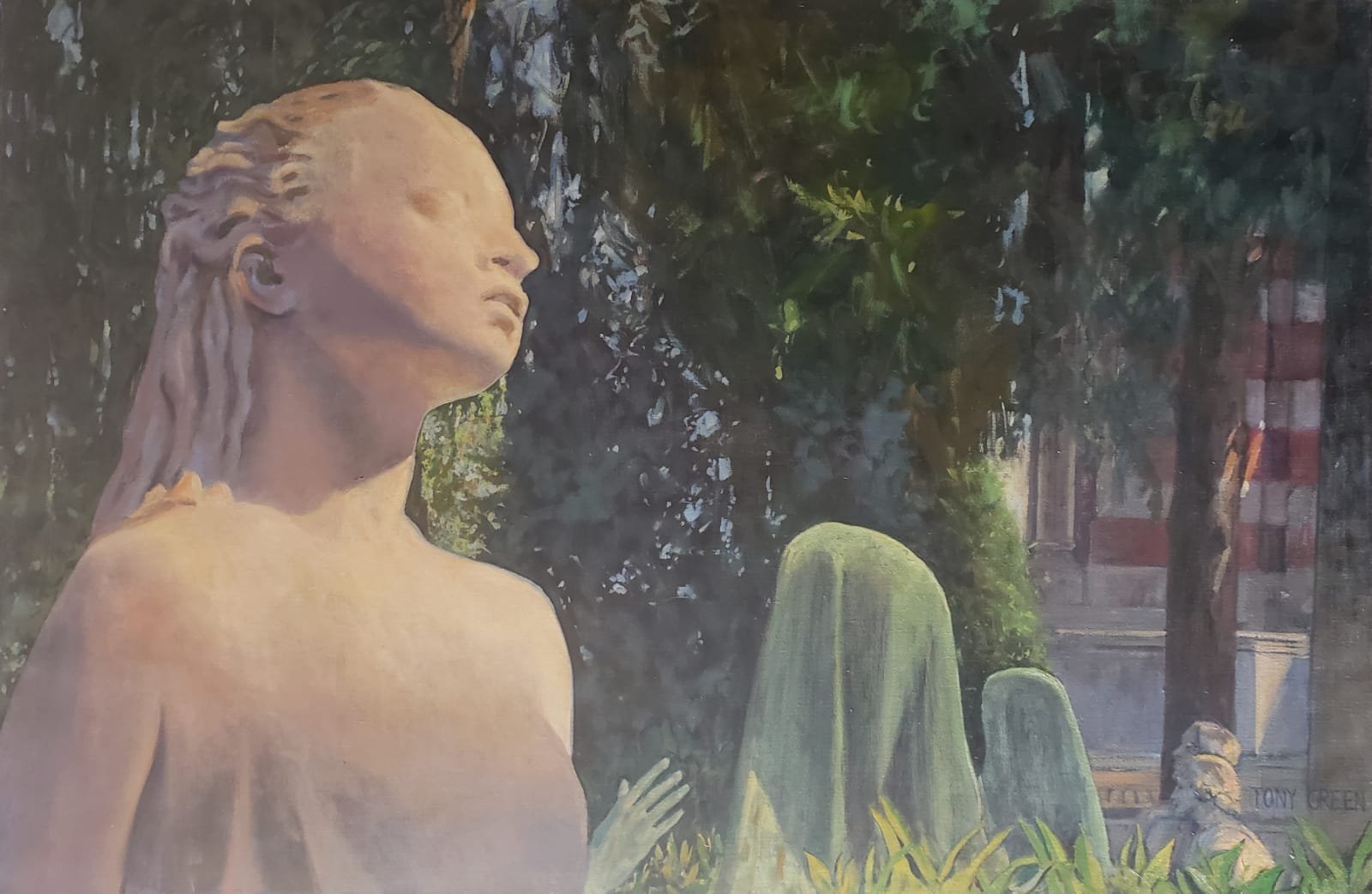
When a piece resonates deeply, it often transcends mere decoration; it becomes a touchstone in your environment. The work of artists like Tony Green, with his classical methods and rich narratives, invites viewers to pause and reflect, creating a dialogue between the work and the admirer. In this way, the art you choose not only enhances your home but also acts as a mirror reflecting your identity and your passions.
Consider how your art selections might align with those of renowned art districts, where the heart of creativity flourishes. Places like Canyon Road or exhibitions reminiscent of the O’Keeffe Museum can inspire choices that resonate on a deeper level, enriching your connection to both the piece and the artistic community.
Pro tip: When selecting art, think about the story behind each piece and how it aligns with your personal journey.
- Research the artists and their techniques.
- Consider how the art interacts with your space.
- Trust your instincts—choose pieces that evoke genuine emotion.
The gap between surface impressions and reality
The visual allure of a piece often captures immediate attention, drawing the eye with vibrant colors or intricate forms. Yet, within Scottsdale’s art scene, the experience runs much deeper. Each artwork carries a narrative shaped by the artist’s background, technique, and intent. When you take a moment to explore these elements, the initial impression transforms into a richer understanding, revealing layers that invite contemplation. This depth can turn a casual observer into an engaged participant in the art’s story.
Consider visiting exhibitions that allow for exploration beyond the surface. Conversations with artists or curators often illuminate the thought processes behind their work, bridging that gap between the apparent and the profound. Engaging with art on this level not only enhances your appreciation but also fosters a sense of connection with the artist’s journey—something Tony Green embodies in his Renaissance-inspired pieces. His meticulous methods beckon you to look closer, to seek out the historical influences and the emotional resonance embedded in the canvas.
Being intentional in your selections can lead to unexpected discoveries that resonate well beyond a gallery visit. Each piece in your collection can serve as an anchor to a moment, a feeling, or a memory, enriching your life in unexpected ways. Recognizing the interplay between surface impressions and the deeper meanings can transform your personal space into a sanctuary of inspiration—a visual narrative that reflects not just your taste, but your life experiences.
Choosing in a way that still feels honest
When standing before a work of art, it’s easy to get swept away by aesthetics and trends. However, allowing your heart to guide your choices ensures a more genuine connection. Picture yourself in a sunlit Scottsdale gallery, where a vibrant landscape captures not just light but emotion. That sense of intimacy can transform a simple purchase into a cherished conversation piece in your home. Every time you walk past it, you’ll recall the moment it made you feel something profound—whether joy, nostalgia, or even introspection.
While attending local exhibitions, take note of the stories behind each piece. Is there a connection to the artist’s background or inspirations? This context can add layers of meaning, allowing your collection to reflect not just personal taste but also a shared history. Art is not merely an object; it is a dialogue between the creator and the viewer. You might find that a particular piece resonates because it echoes emotions from your own life, creating a bond that transcends time.
As you explore options, also consider the logistics of acquiring art. Scottsdale’s vibrant scene may present opportunities for commissioning works, enabling you to collaborate directly with an artist. Imagine discussing your vision with someone like Tony Green, whose classical methods invite a unique blend of personal and artistic expression. The resulting piece can embody not only your preferences but also the heritage and techniques that enrich it. This pathway can transform your relationship with art, grounding your choices in authenticity and intention.
How this choice reshapes the spaces you move through
The art you choose becomes a lens through which to engage with your environment, shaping the atmosphere of your home and influencing the emotions tied to each space. Imagine entering a room filled with vibrant colors that evoke warmth and joy, or stepping into a serene nook adorned with calming tones that invite reflection. Each piece can act like a window, allowing you to peek into different moods, memories, and stories. In Scottsdale, where the landscape itself is an art form, the right piece can harmonize with the natural beauty surrounding you, integrating your indoor space with the outdoors in a seamless manner.
Consider how these choices extend beyond mere aesthetics. When you invest in art that resonates with you, it informs the way you interact with your surroundings, inviting deeper connections with family and friends. It’s about creating a sanctuary that tells your story and reflects your values. Picture hosting a gathering where guests are drawn to a striking painting, igniting conversations and shared experiences. These moments are crafted not only by what you display but also by the stories you share about their origins—stories that connect you with the broader art community. Local venues, like the vibrant offerings along Canyon Road or the introspective works showcased in museums, serve as jumping-off points for these rich narratives.
Choosing art thoughtfully doesn’t just fill your walls; it transforms your everyday environment into a tapestry of experiences. As you navigate your spaces, the art you live with becomes a gentle reminder of what inspires you—whether it’s a connection to community, a lineage of craftsmanship, or a moment of personal significance. This transformative effect extends beyond your home, too—when you carry this intention into public spaces, it enriches your interactions with the world around you.
Pro tip: When selecting art, think about how it interacts with the space. Consider factors like light, color palette, and size to ensure harmony.
- Visit local galleries to gain insights into the artist’s intent.
- Ask yourself how each piece resonates with your personal story.
- Don’t overlook smaller works; they can pack a significant emotional punch.
Owning your taste instead of chasing trends
The allure of trends can be seductive, often pulling you in with the promise of modernity or popularity. Yet, true artistry thrives beyond fleeting fads. In Scottsdale, where vibrant local culture flourishes, cultivating a personal aesthetic that aligns with your individual experiences can be far more rewarding. Rather than simply following what’s in vogue, consider what genuinely resonates with you. Explore the deeper emotional connections that certain pieces evoke, allowing them to embody your narrative rather than simply adorn your walls.
Walking through a gallery, you might find that a piece resonates because it evokes a memory or a dream. This is the essence of personal taste—selecting art that speaks to you on a visceral level, regardless of whether it’s the latest trend. A work by an artist like Tony Green, whose classical methods invite reflection, encourages viewers to engage with their own histories as they appreciate the craftsmanship before them. The experience is not just about the visual appeal but also about the dialogue it sparks within yourself and with others.
As you curate your collection, think of your space as a canvas that tells your story. Each painting, sculpture, or installation plays a part in composing a narrative that is distinctly yours. Consider incorporating pieces that challenge or provoke thought, creating an environment that fosters curiosity and conversation. Surrounding yourself with art that embodies your journey will help you establish a sanctuary infused with meaning. Embrace the notion that your taste is not dictated by trends but shaped by personal reflection and the stories you wish to tell.
If you want to see the classical approach alive in contemporary work, you can browse the paintings or explore a commission—quietly, on your own terms.
Leave a Reply