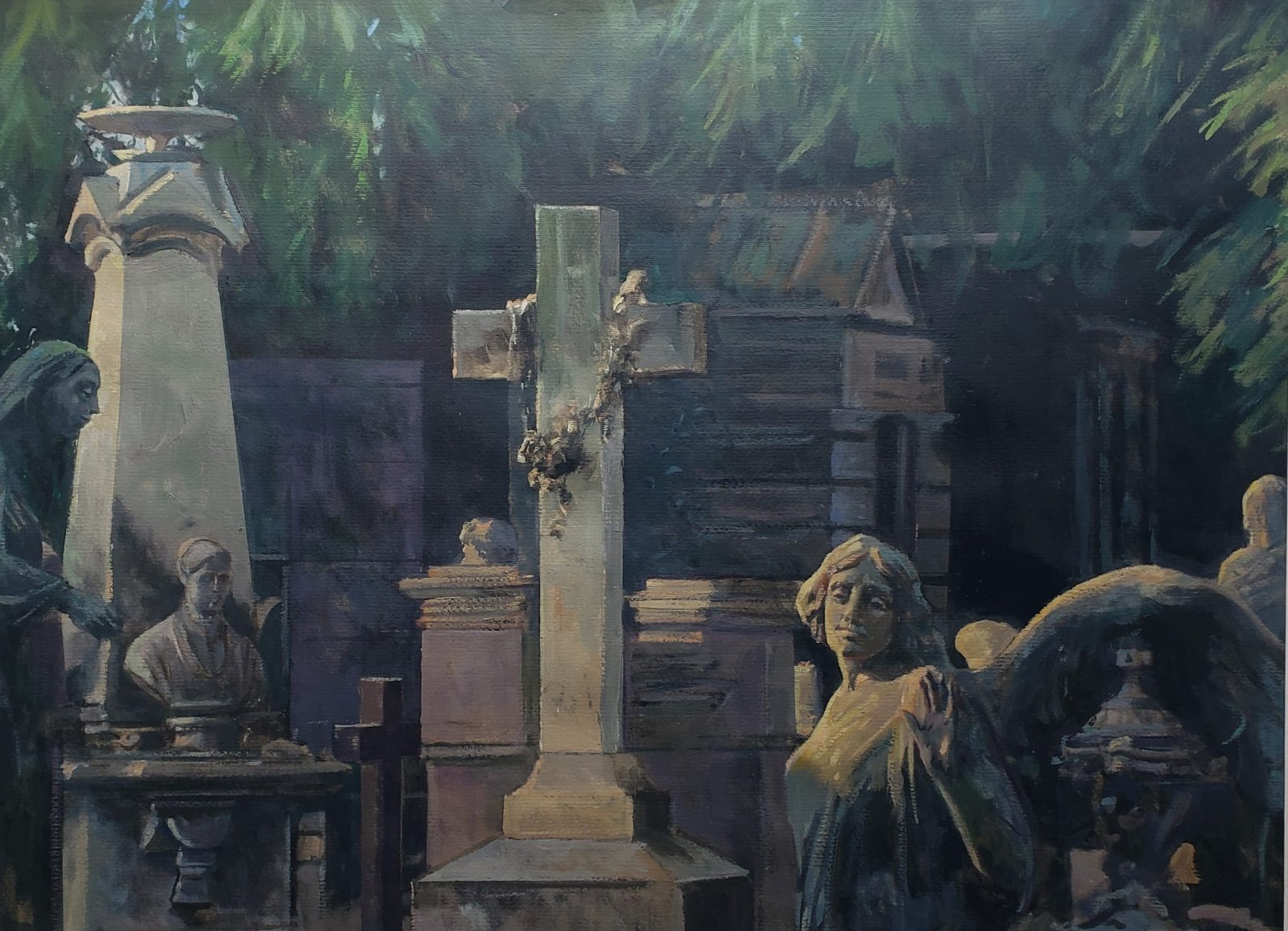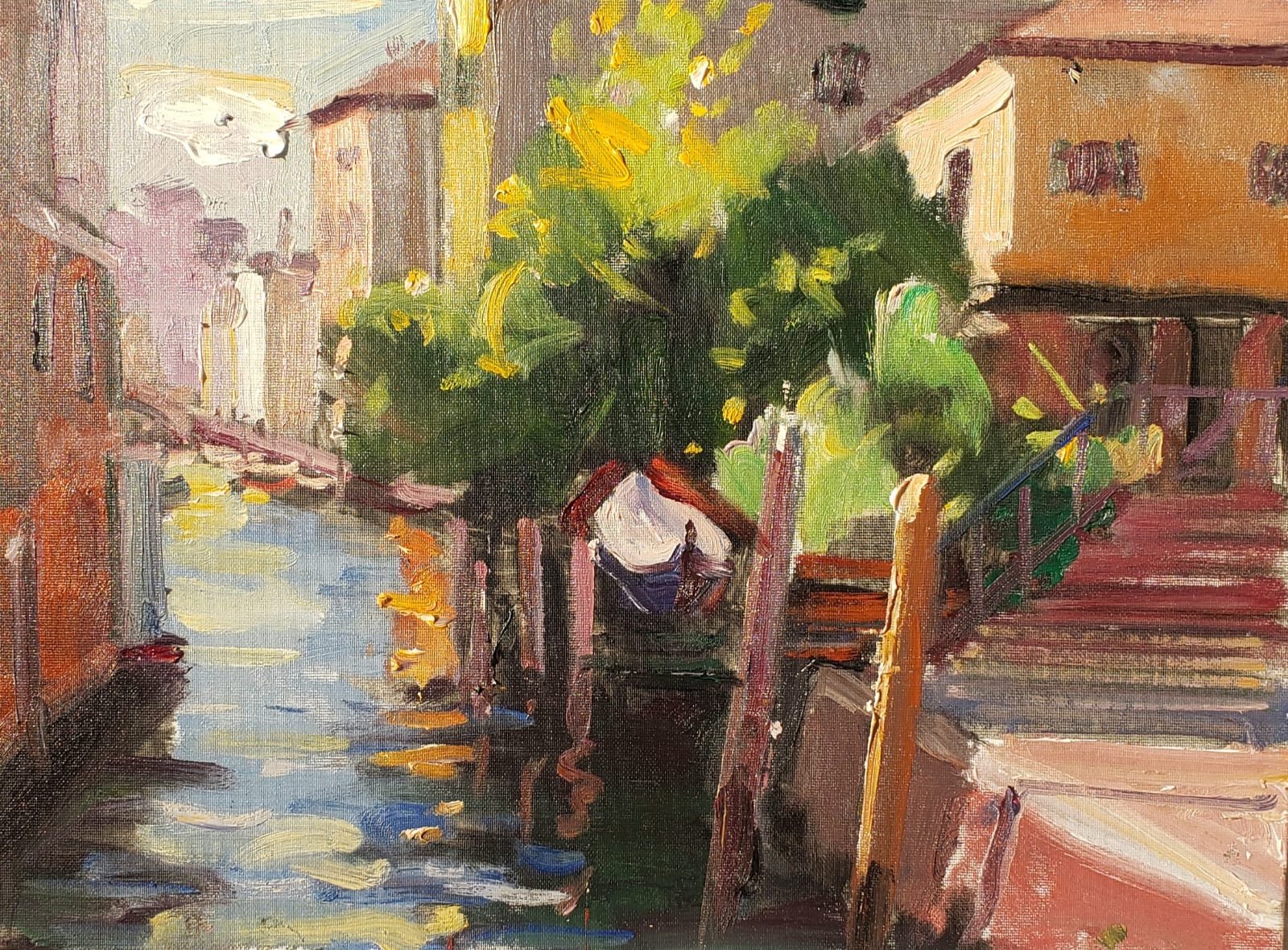
Sunlight filters through the wide windows of a cozy Santa Fe gallery, casting warm, golden tones upon the textured walls adorned with vibrant oil paintings. The scent of juniper and piñon wafts in through the open door, mingling with the faint notes of linseed oil. Each piece tells a story, from the sweeping landscapes that capture the spirit of the Southwest to the intimate portraits that reflect deeper connections. Here, art isn’t just decoration; it’s a conversation—a bridge into the soul of the artist and the viewer alike.
Choosing art that lasts in this rich cultural tapestry requires more than a simple aesthetic decision. It calls for a quiet honesty, an understanding of what resonates with you and a recognition of the emotional weight each piece carries. Signals can guide you: the brush strokes, the colors, and the stories behind each artwork all play into the bigger narrative of your personal collection. It’s about nurturing a relationship with art that transcends trends, allowing it to evolve alongside you, much like the vibrant art scene in Santa Fe.
As you navigate this journey, consider how to cultivate a collection that speaks to your heart, weaving in thoughts from our earlier notes about the deeper significance of art in your life. There’s much to explore as you learn to discern what truly lasts in the realm of artistic expression.
What choosing art that lasts signals about you
Choosing art that lasts is a reflection of your values, tastes, and identity as a collector. It signals a desire for depth and meaning, rather than mere decoration. Collectors in Santa Fe understand that each piece they acquire is not just a visual element but a narrative that intertwines with their personal story. This decision-making process involves considering the emotional resonance of a piece, the story behind it, and how it fits within the larger context of both their life and the vibrant art scene in which they are participating. The artworks selected become intimate companions, fostering connections and memories that can be cherished for years.
Furthermore, selecting enduring art communicates a commitment to authenticity and quality. It suggests a willingness to engage thoughtfully with the artistic process and the artist’s intent. For example, when collectors in Santa Fe choose works by artists like Tony Green, they are often drawn not just to aesthetic qualities but to the underlying themes and craftsmanship that speak to their personal journeys. This thoughtful approach to art selection elevates the experience beyond mere ownership, allowing collectors to cultivate a collection that genuinely reflects their identity and evolves with them over time.
The gap between surface impressions and reality
For anyone considering how to choose art that lasts in Santa Fe, Santa Fe Literary Review Annual Reading and Reception can make the local art conversation tangible. Notice how the work handles material, scale, and intent, then carry those observations back to the quieter buyer questions of originality, provenance, and whether a piece continues to hold attention beyond its first impression.
Art has a way of captivating at first glance, drawing audiences into its visual narrative. Yet, behind the vibrant hues and intricate compositions often lies a more complex story involving the artist’s intent, technique, and the emotions that inspired each brushstroke. For buyers in Santa Fe, understanding this depth can transform a mere decoration into a cherished heirloom. This realization speaks to the importance of viewing art through a discerning lens, one that acknowledges both the aesthetic appeal and the underlying narrative woven into the piece.
As you navigate the local art scene, it’s essential to ask questions that delve deeper than surface impressions. What techniques did the artist employ? What experiences influenced the work’s creation? Such inquiries not only enhance your appreciation but also help you make informed decisions about your collection. Take, for instance, the upcoming a local art event, where the interplay of literature and visual art gives a unique context to the evolving narratives within local artworks. Engaging with events like these can provide insight into the cultural backdrop of the pieces you admire.
This journey into understanding art extends beyond individual pieces; it influences your entire approach to collecting. Visual art can reflect your personal journey, encapsulating moments and memories in a way that resonates with family and friends. As you curate your collection, consider not only the visual appeal but also how each piece will fit into the broader story of your home. The goal should be to create an atmosphere that sparks conversation and connection, inviting guests to explore the history and emotion embedded in your selections.
Choosing in a way that still feels honest
Choosing in a way that still feels honest becomes useful when it is treated as a decision rather than a mood. For a buyer considering how to choose art that lasts in Santa Fe, the practical test is to identify what in the work is carrying the response: composition, material, scale, surface, or the relationship among them. Name that visual evidence before asking what the work costs or how persuasively it has been presented.
In Santa Fe, compare that first response with ownership details that can be checked: medium and dimensions, condition, provenance, framing, and written sale terms. Then step away and return to the same question. If the visual case remains clear after the story and the pressure have faded, the choice is more likely to reflect durable judgment instead of borrowed enthusiasm.
As you explore the eclectic offerings across Santa Fe, consider how art can serve as both a reflection and an extension of your identity. Whether it’s a contemporary interpretation or a nod to historical influences, each piece you bring into your life should resonate on a personal level. The art world here, particularly along Canyon Road, is filled with opportunities to discover artworks that resonate deeply, creating a unique tapestry of both personal expression and local culture.

How this choice reshapes the spaces you move through
Art is more than an adornment on your walls; it becomes a part of the fabric of your daily life. The right piece can shift the atmosphere of a room, inviting conversation and reflection. Imagine returning home after a long day, and the sight of a vibrant oil painting draws you in, its colors reminiscent of a sunset over the Sangre de Cristo Mountains. This daily interaction transforms not just your space but also your state of mind, creating a sanctuary for creativity and introspection.
When considering art that lasts, envision how it aligns with the rhythm of your life in Santa Fe. A large abstract oil painting can reflect the dynamic landscapes of the region, energizing a living area or office space. Alternatively, a custom oil portrait of a loved one or cherished moment can infuse warmth and nostalgia into an otherwise stark environment. Such pieces act as comfort anchors, grounding you while also serving as visual storytelling, immortalizing precious memories within your personal narrative.
Exploring galleries, such as those along Canyon Road, you might stumble upon works that resonate not only with you but with your guests as well. The act of choosing art becomes a shared experience, inviting others to connect with the emotions and stories behind each piece. This communal aspect reinforces the idea that art is a living entity within our spaces, not just a static object, and makes selecting each piece feel like an opportunity to express your evolving identity.
Owning your taste instead of chasing trends
In the vibrant art scene of Santa Fe, owning your taste means curating a collection that reflects your personal narrative rather than simply following fleeting trends. Each piece you embrace should resonate with you on a deeper level, allowing you to create a space that feels authentic and meaningful. For instance, if artist Tony Green’s work speaks to your appreciation for the interplay of light and shadow, it becomes more than just a decoration; it transforms into a vital component of your life story, evoking emotions and memories that are uniquely yours.
As you navigate the art market, it’s essential to take the time to explore various styles and mediums, allowing your preferences to emerge organically. This approach not only enhances your appreciation of the artwork but also empowers you to make choices that align with your individual taste. Engage with the narratives behind each piece and consider how they complement your surroundings, ultimately leading to a collection that is truly reflective of who you are, rather than a transient reflection of current trends.
- Explore art fairs and local exhibitions for undiscovered gems.
- Consider how a piece will fit into your space before purchasing.
- Engage with artists or gallery owners to learn the story behind each piece.
If you want to see the classical approach alive in contemporary work, you can browse the paintings or explore a commission—quietly, on your own terms.