Sunlight filters through large windows, casting a warm glow across a minimalist living room adorned with soft textures and earthy tones. An exquisite painting hangs above the fireplace, its colors harmonizing with the surrounding decor, pulling the eye and inviting conversation. In this space, every detail feels intentional, yet there’s an understated elegance that whispers of thoughtful choices rather than extravagant spending.
Navigating the world of original art can be overwhelming, yet it doesn’t have to be. Understanding the subtle signals that guide your choices is essential, whether it’s the emotion a piece evokes or the story behind the artist. This journey transcends mere aesthetics; it’s about honesty, connection, and finding a work that resonates with you on a deeper level. As explored in our recent Scottsdale piece on investing in art, there are quiet rules that can lead to an enriching experience when buying original art.
With these principles in mind, let’s delve deeper into the nuances of selecting art that not only enhances your space but also speaks to your personal taste and values—drawing from those earlier notes will provide a solid foundation for this exploration.
What buying original art signals about you
Choosing original art is more than a mere acquisition; it reflects your identity and worldview. Each piece you select can communicate your values, interests, and aspirations. For collectors in Scottsdale, this often translates into a desire for authenticity and connection, where every artwork becomes a storytelling instrument of both the artist and the collector. When you choose to invest in art, it serves as a visual representation of your personal journey, inviting others to engage with your narrative.
Buyers should consider the nuances of each artwork, from its originality to the artist’s intent. The provenance of a piece can add depth and intrigue, offering insights into its history and significance. Understanding the condition and scale of the art is vital too; a larger piece might dominate a room, while a smaller work may offer subtle accents. It’s about finding what resonates with you, ensuring that the artwork remains engaging over time and complements both your space and lifestyle.
Ultimately, the decision to purchase should stem from a connection to the work rather than societal expectations. As you explore the vibrant art landscape in Scottsdale, think about how each piece might enhance not just your home but your life. This approach can foster a deeper appreciation for the art you choose and create lasting joy as your collection evolves. Consider visiting inspiring venues such as Canyon Road to immerse yourself fully in the artistic dialogue, allowing the pieces to speak to you personally.
The gap between surface impressions and reality
For anyone considering how to buy original art in Scottsdale, Fall Art Walk 2026 can make the local art conversation tangible. Notice how the work handles material, scale, and intent, then carry those observations back to the quieter buyer questions of originality, provenance, and whether a piece continues to hold attention beyond its first impression.
Navigating the art world requires a discerning eye, particularly in a market as vibrant as Scottsdale’s. It’s easy to be captivated by the surface beauty of a piece, but the true value often lies deeper. Each artwork carries its own stories, influences, and emotions that can transform your understanding and appreciation. Engaging with local galleries allows you to peel back these layers, revealing the artist’s process and intentions. The dialogue that unfolds between the viewer and the piece often shapes the ultimate connection one feels, making it essential to ask questions and seek insights from curators or artists themselves.
When considering a purchase, think about the aesthetics and how the work fits within your personal narrative. The cultural context in which the artist operates can influence the meaning behind their work. Artists often draw inspiration from their surroundings, be it the natural landscape, local history, or community traditions. This connection can enhance your enjoyment of the piece, allowing it to resonate more profoundly within your space. Events like the local art event showcase this dynamic, highlighting both the artists’ creative journeys and the unique character of Scottsdale’s art scene.
Buyers should also be aware of the importance of provenance and authenticity. A clear history not only adds value but can also enrich the story the artwork tells. Established artists often have a well-documented track record, which can assure buyers of their investment’s stability. Researching sources like the Getty Provenance tool can help illuminate an artwork’s background. In an environment where originality is celebrated, ensuring you understand the lineage of a potential purchase can ultimately lead to more fulfilling ownership and appreciation.
Choosing in a way that still feels honest
When selecting original art, it’s crucial to engage with pieces that resonate with your personal narrative rather than simply succumbing to trends or market pressures. Collectors in Scottsdale often find themselves drawn to works that evoke memories or emotions, creating a connection that transcends the physical form of the artwork. This emotional investment can guide your choices towards pieces that genuinely reflect your identity, allowing your collection to tell a story that is uniquely yours.
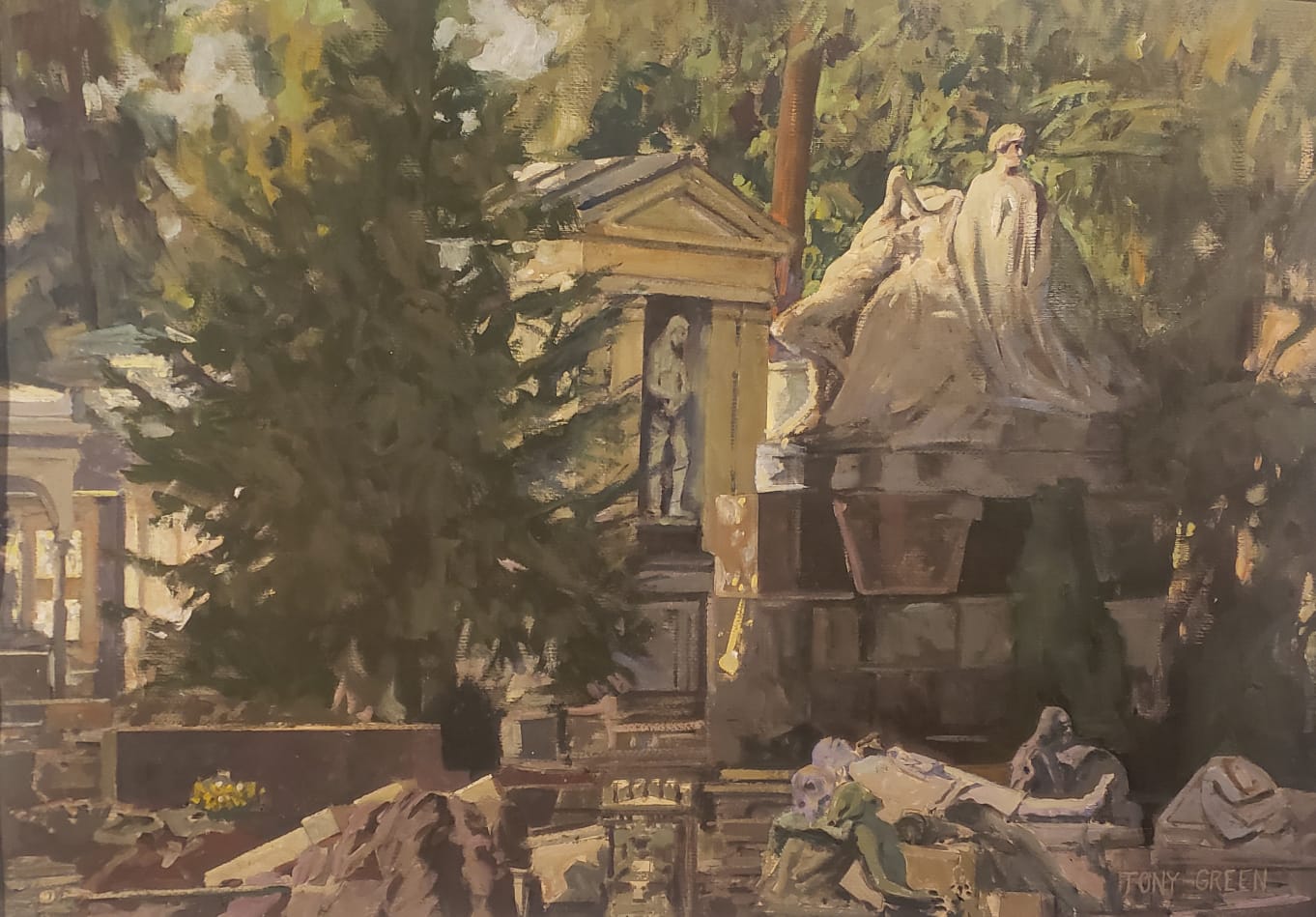
Moreover, understanding the artist’s intent and the context behind their work can enrich your collecting experience. When considering an artist like Tony Green, for instance, exploring the themes and motivations that drive their creations can provide a deeper appreciation and sense of honesty in your selection process. By prioritizing artworks that speak to you on such levels, you not only enhance the aesthetics of your living space but also ensure that your collection remains a true expression of self, making the act of purchasing art a meaningful journey rather than a mere transaction.
How this choice reshapes the spaces you move through
When you choose to incorporate original art into your environment, you aren’t just adorning walls; you’re crafting an atmosphere that reflects your identity and values. Every piece can become a focal point, inviting conversations and prompting deeper reflections among your guests. In Scottsdale, where artistic expression often mirrors the stunning desert landscapes, the art you select can bring the outdoors inside, enriching your living space with texture and color reminiscent of the vibrant sunsets or local flora.
Consider the placement of these pieces, too. A striking painting in your entryway can set the mood for your home, creating a welcoming ambiance. In dining areas, thoughtful artwork can enhance the dining experience, sparking dialogue and adding a layer of enjoyment to shared meals. Embracing art not only redefines your spaces but also encourages a harmonious relationship between the interior and the world outside.
It’s essential to think about how light interacts with the artworks. Natural sunlight can transform colors and textures, creating a dynamic experience throughout the day. Positioning pieces where they can bask in this natural light can elevate their presence, making them feel alive and integral to the space. For collectors in Scottsdale, understanding these subtleties not only elevates your aesthetic choices but also nurtures a deeper connection to the art itself.
- Test different locations to see how light affects the piece.
- Think about the emotional response you want to evoke.
- Choose art that tells a story resonant with your own.

Owning your taste instead of chasing trends
Understanding your personal taste in art is a journey that transcends fleeting trends, especially in a dynamic art market like Scottsdale. Walking through galleries, you might encounter pieces that resonate profoundly with your experiences or emotions. When you find something that speaks to you, it’s essential to trust that instinct, regardless of whether a specific style is currently popular. Art is about connection—allowing yourself to dive into what truly moves you can lead to a more fulfilling collection.
While the allure of trends can be tempting, they often lead to choices that don’t withstand the test of time. Imagine curating your collection based on what you genuinely love, rather than what’s merely trending. This approach not only strengthens your connection to the pieces you choose but also contributes to the authenticity of your space. Consider visiting local art fairs or engaging with community artists. They often provide unique perspectives that can inspire your own preferences.
Art should evoke emotion and spark conversation, reflecting your personality and values. When considering a piece, think about how it aligns with your life story. Are there specific themes that resonate with you? Art being displayed in your home becomes a narrative thread that weaves together memories and moments. A vibrant landscape might remind you of a trip you took, or an abstract piece could echo a feeling of joy or contemplation.
In this vibrant atmosphere, Scottsdale provides an array of options. Local events, such as those found at places like Canyon Road, offer opportunities to view diverse artistic expressions and engage with the community. By immersing yourself in these experiences, you become more attuned to your own preferences while also appreciating the broader context of the art world around you.
If you want to see the classical approach alive in contemporary work, you can browse the paintings or explore a commission—quietly, on your own terms.