What collecting art signals about you
Evaluating art goes well beyond simply pinpointing a piece that catches the eye. In the context of collecting art in Santa Fe, it’s essential to recognize that what you choose to display communicates a great deal about your values, your interests, and even your worldview. Each artwork selected reflects not only personal taste but also intentions—whether to support emerging artists, to celebrate cultural heritage, or to engage with contemporary dialogues. This personal narrative becomes part of the experience of ownership, inviting conversations that can span from aesthetic appreciation to profound philosophical discussions.
Originality and condition are key factors in the decision-making process. Collectors should carefully assess the uniqueness of a work, as well as its physical state; a well-maintained piece adds to its story and value. Provenance, the documented history of ownership, serves as a vital layer of context, asserting authenticity and often enhancing worth. Reliable sources such as the Getty Provenance project can provide insights into an artwork’s journey, grounding your choice in a rich narrative that enhances its significance.
Considering the scale of the artwork and its relationship to the intended space is another crucial aspect. A piece that complements its environment encourages deeper engagement, allowing it to resonate more powerfully with viewers. Ultimately, the art that holds attention—whether through its colors, textures, or the stories it tells—offers a lasting impact. As collectors navigate the galleries along Canyon Road or delve into the depths of museums like the O’Keeffe Museum, they find opportunities to refine their understanding of artistry and personal expression, enriching not just their spaces but their connections to the art community.
The gap between surface impressions and reality
For anyone considering collecting art in Santa Fe, Santa Fe Literary Review Annual Reading and Reception can make the local art conversation tangible. Notice how the work handles material, scale, and intent, then carry those observations back to the quieter buyer questions of originality, provenance, and whether a piece continues to hold attention beyond its first impression.
Art collecting in Santa Fe often begins with a gleaming surface, where the vibrant colors and unique textures draw the eye, yet the journey demands a deeper exploration. The grandeur of art exhibits and the whimsical gallery displays can create an illusion of accessibility, but the truth is layered, revealing a complex network of artists, themes, and narratives. To truly engage, collectors must look beyond the polished exterior and ask questions that resonate with their personal tastes and values. Understanding the motivations behind a piece, whether it’s the artist’s story or the cultural context, becomes essential in shaping a meaningful collection.
Visiting events like the local art event offers an opportunity to connect with the community, where the written word meets visual art, enriching perspectives and fostering dialogue. These interactions can illuminate the subtleties that make collecting art more than just an aesthetic choice; they become a reflection of personal identity and cultural connection. Each conversation can reveal fresh insights, enhancing one’s appreciation for the pieces that resonate on multiple levels.
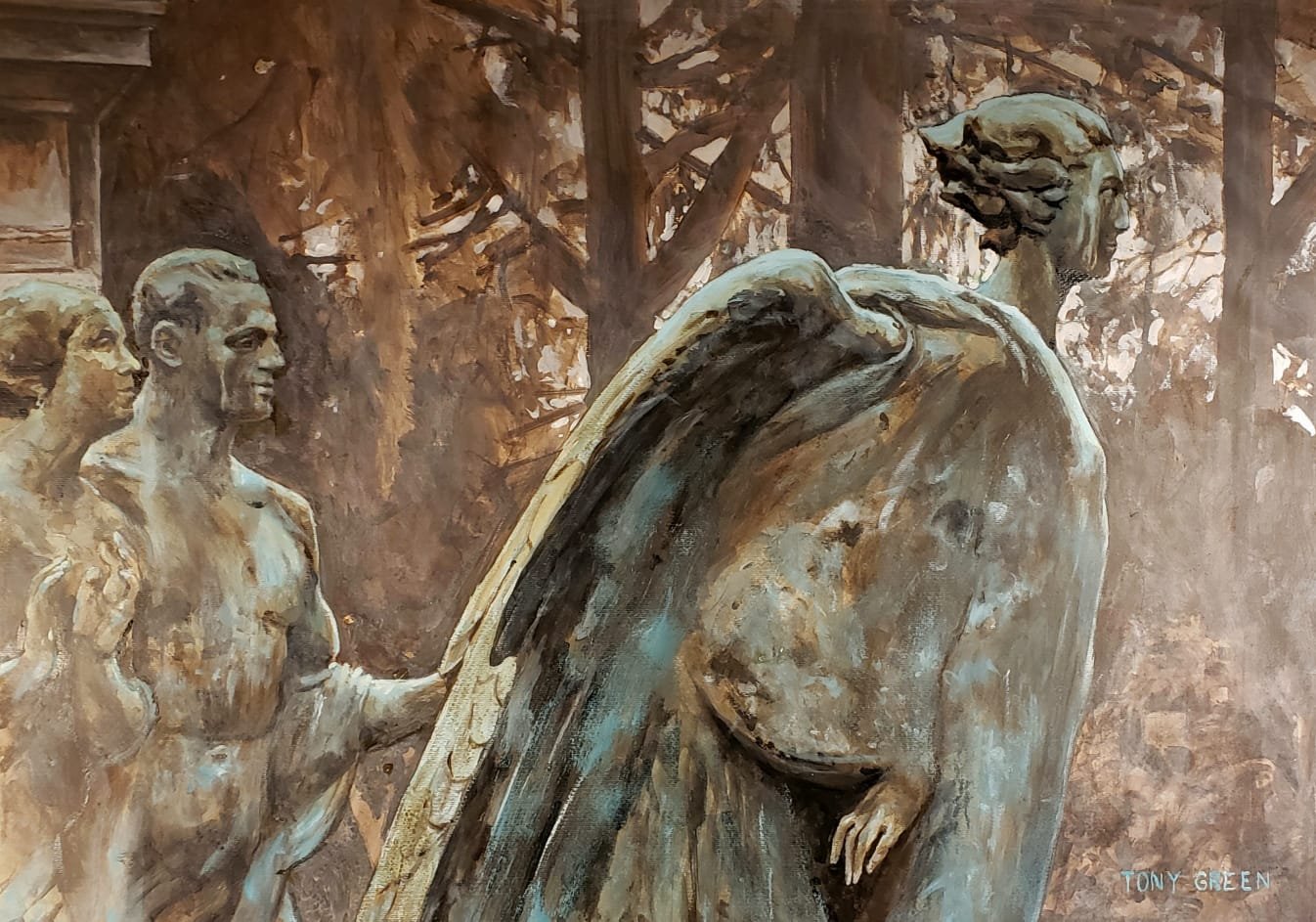
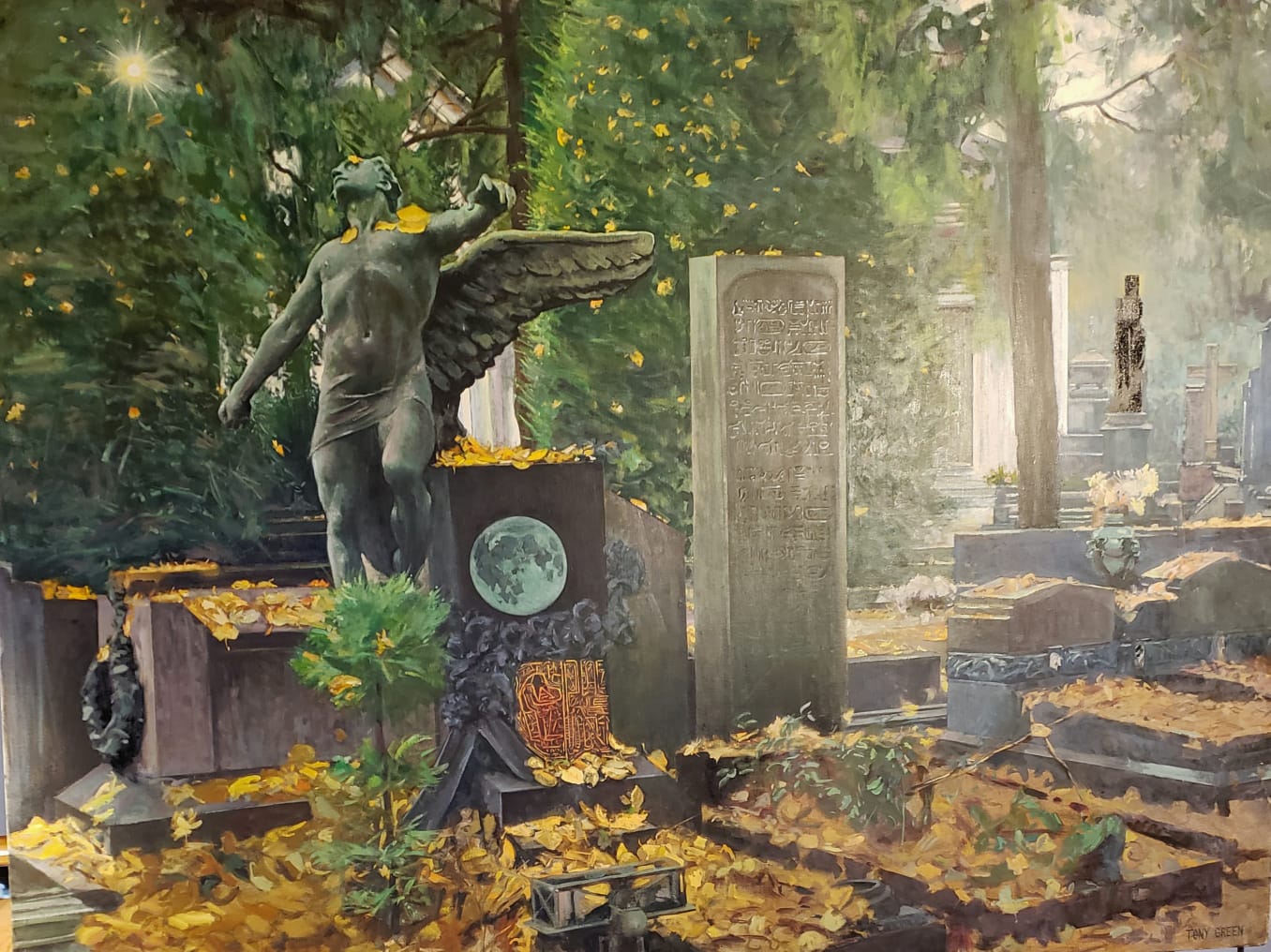
Zooming out, it’s crucial to recognize that the art market in Santa Fe is not merely a local phenomenon but part of a larger narrative that extends nationally and globally. This context provides collectors with a richer understanding of their acquisitions, enabling them to see their pieces as part of a broader artistic dialogue. As artists like Tony Green challenge conventional norms through innovative expressions, the implications of each piece ripple beyond individual taste, inviting collectors to partake in the evolving story of contemporary art. The careful balance of personal engagement and market awareness can turn the act of collecting into a profound journey of discovery.
Choosing in a way that still feels honest
When collecting art in Santa Fe, the choice of pieces often reflects not just personal aesthetics but also a deeper commitment to authenticity and intentionality. Selecting artworks that resonate with your values can create a collection that feels honest to your identity and lifestyle. For instance, when a collector chooses to support local artists or those whose work embodies social commentary, it signals a consciousness about the world beyond their immediate surroundings. Each piece becomes a narrative of personal belief, inviting discussion about its significance and the broader context it represents.
In this dynamic art market, understanding the stories behind artworks is essential. By exploring the background of an artist’s work, such as that of Tony Green, collectors can appreciate the layers of meaning woven into each piece. Engaging with artists and visiting galleries provides insights that enrich the experience, allowing collectors to make informed choices that genuinely reflect their perspectives. This approach fosters a connection to the art that goes beyond mere decoration; it transforms the act of collecting into a thoughtful exploration of self-expression and cultural dialogue. In this way, the art one chooses not only decorates a space but also communicates a personal narrative, ultimately shaping the atmosphere of one’s home.
- Research the artist’s background and influences.
- Investigate the artwork’s provenance and any exhibition history.
- Reflect on how the piece resonates with your personal story.
How this choice reshapes the spaces you move through
The act of collecting transcends mere possession; it fundamentally alters the environments we inhabit. Each artwork becomes a conversation starter, an emotional anchor in the fabric of daily life. In Santa Fe, where the interplay of light and landscape is almost palpable, the pieces you choose to bring into your space reflect not just individual taste but a shared cultural narrative. The walls of your home become a gallery of experiences, echoing the stories and connections woven through the local art scene.
Engaging with artists like Tony Green, whose work often encapsulates the essence of the Southwestern landscape, invites a deeper bond with your surroundings. Each stroke of color can evoke memories of sun-drenched days in the desert or the vibrant hues of a sunset over the Sangre de Cristo Mountains. As art fills your spaces, it encourages moments of reflection and inspiration. The experience of living with art can transform mundane routines into sacred rituals, fostering creativity and mindfulness.
Moreover, art collecting in a place rich with heritage, such as Santa Fe, can ignite a sense of belonging. It’s a way for collectors to participate in a larger dialogue, connecting with both the past and the present. The walls adorned with carefully chosen pieces serve as a testament to personal journeys and community bonds. As you explore venues like the O’Keeffe Museum or smaller galleries, you may find that selecting art becomes not just an aesthetic choice but a way to navigate identity and shared history. In this sense, each artwork cultivates not just a collection, but a curated experience of life itself.
Owning your taste instead of chasing trends
When it comes to building a collection, the allure of trends can be tempting, but true artistry resonates with the soul. In a city like Santa Fe, rich with artistic legacy, the focus should shift from merely purchasing what’s popular to embracing what speaks to you. This journey often leads collectors to discover artists who may not dominate the mainstream yet possess a unique voice that complements their aesthetic. It’s about curating a personal narrative that reflects individual experiences, feelings, and aspirations.
Visiting galleries along Canyon Road offers a wealth of inspiration. Rather than attending just to see what’s trending, allow the art to guide your emotions. Take note of pieces that evoke a visceral reaction; this deep connection is often more fulfilling than adhering to fleeting fashions. Engaging with local artists opens doors to understanding the stories behind the creations, further enriching your appreciation and allowing you to forge lasting connections.
Moreover, investing in art means recognizing the value of emotional resonance over monetary trends. As collectors explore various styles and mediums, they may find themselves drawn to pieces that encapsulate moments in time or reflect personal journeys. This commitment to authenticity not only enhances the home environment but can also inspire thoughtful conversations when inviting friends and family to enjoy your collection.
- Explore diverse galleries to find unexpected treasures.
- Engage with artists to understand their inspirations.
- Consider how each piece enhances your living space.
If you want to see the classical approach alive in contemporary work, you can browse the paintings or explore a commission—quietly, on your own terms.