What fine art buying signals about you
Immersing yourself in the art scene of Santa Fe reveals not just a quest for beauty but a reflection of who you are as a collector. Each choice communicates your values—whether you lean towards the vibrant narratives of contemporary pieces or the historical gravitas of traditional works. Understanding your own aesthetic can guide you through the rich tapestry of local galleries and exhibitions, where the art itself serves as a mirror to your personality, passions, and experiences.
Collectors here are often drawn to the stories behind each piece, and the importance of provenance cannot be overstated. Knowledge of an artwork’s history adds layers of depth and integrity, making it resonate even more profoundly. Buyers who appreciate original works exhibit a keen eye for detail and a desire for authenticity. As you consider various pieces, reflect on how they fit into your life and the conversations they will spark when shared with friends and family.
The condition of a piece also plays a role, influencing both its value and how it holds your attention. An artwork’s physical integrity should align with your expectations, as it speaks to the care taken by the artist and the gallery. Scale matters too; a piece that dominates a wall can evoke awe, while smaller works may offer intimacy and contemplation. Ultimately, fine art buying in Santa Fe is not just about amassing a collection; it’s about curating a personal narrative that resonates within your home and beyond, signaling your unique taste to the world.
As you explore the diverse offerings along Canyon Road, let the emotional connections guide you. Consider how each interaction with art may shift your perspective, becoming part of your own story, shaped by the vibrant dialogues and cultural influences surrounding you.
The gap between surface impressions and reality
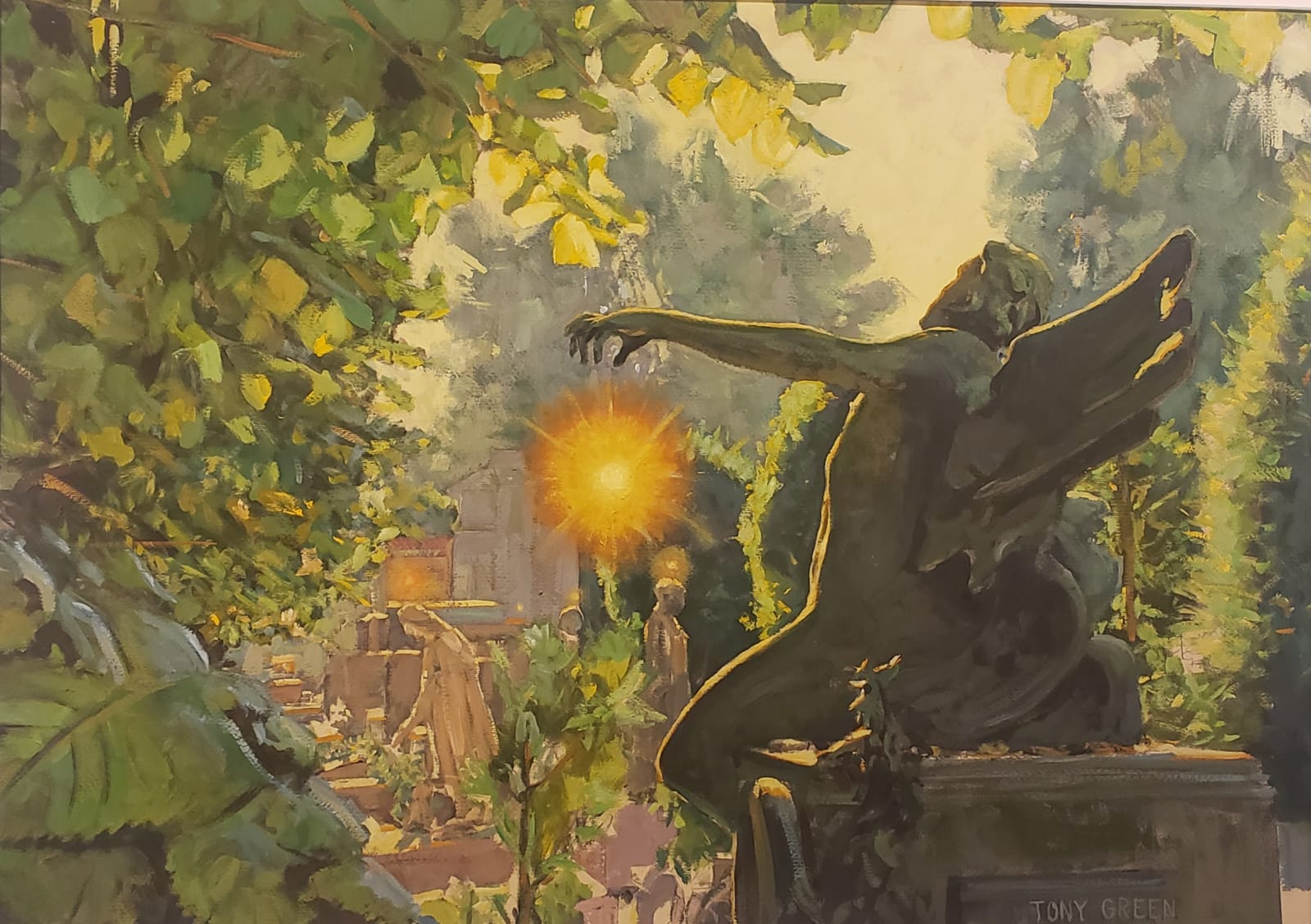
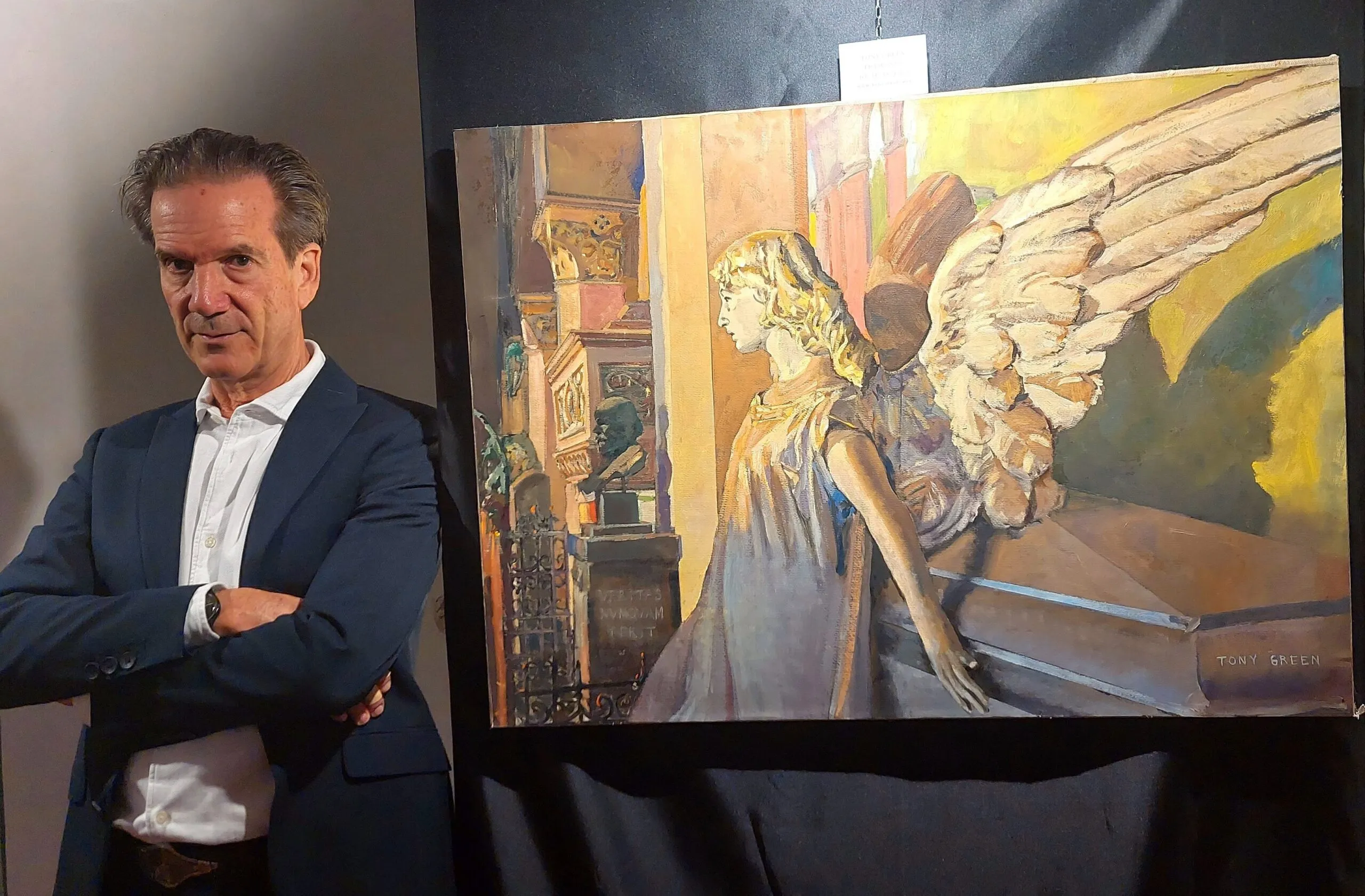
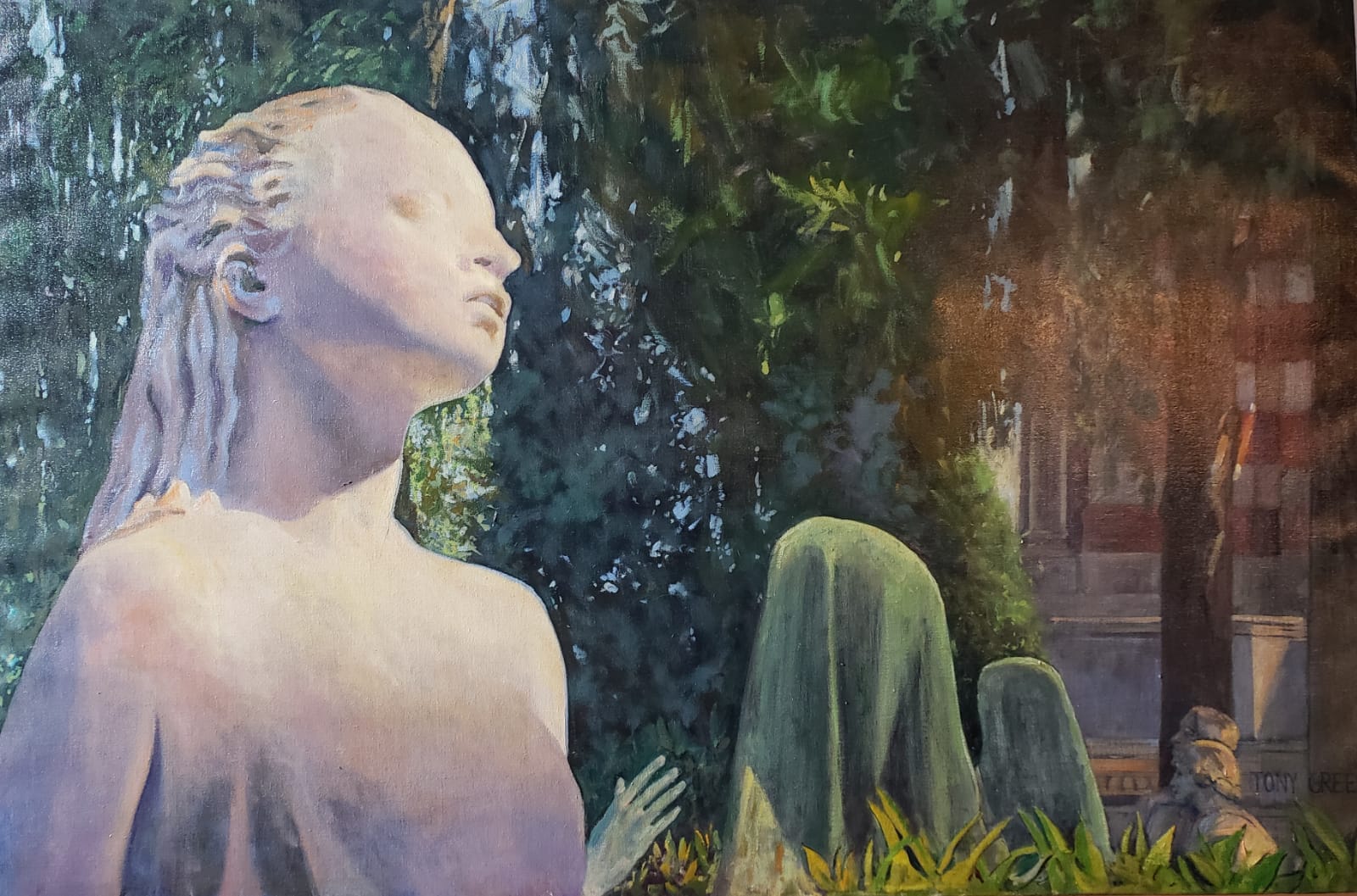
When engaging in fine art buying in Santa Fe, there is often a stark contrast between the initial allure of a piece and the deeper implications it carries. Many collectors are drawn to artworks solely based on surface aesthetics—vibrant colors, intriguing forms, or the reputation of an artist. However, these surface impressions can sometimes obscure the underlying narratives, cultural significance, and emotional connections that are central to an artwork’s true value. For instance, while an eye-catching piece by artist Tony Green may initially captivate attention, a deeper investigation into its context and the themes it explores can reveal profound commentary on contemporary issues or personal stories that resonate with the viewer. This deeper understanding can enhance both the collector’s appreciation and the authenticity of their collection.
Moreover, the gap between surface impressions and reality is especially pronounced in a market like Santa Fe, where the convergence of diverse artistic styles can create a rich but complex ecosystem. Collectors must navigate this landscape with discernment, recognizing that an artwork’s aesthetic appeal does not always equate to its value or significance. This calls for an introspective approach, where buyers reflect on their motivations and the emotional responses elicited by the art. By prioritizing a piece’s historical context, the artist’s intentions, and the story behind the work, collectors can bridge the gap between mere attraction and meaningful acquisition, ensuring that each addition to their collection truly reflects their personal journey and artistic vision.
Collectors in Santa Fe often discover that what resonates most is not merely the aesthetic but the narrative woven through the artwork. Conversations about art can emerge in unexpected moments, whether at a gallery opening or during the Santa Fe Literary Review Annual Reading and Reception. These gatherings amplify the dialogue surrounding art, offering insights that enhance understanding and deepen connections to the pieces on display. Engaging with other art enthusiasts can reveal perspectives that enrich your own, making the buying experience a communal exploration rather than a solitary pursuit.
Choosing in a way that still feels honest
When it comes to selecting art that feels authentic, the experience can often be as meaningful as the art itself. While browsing the galleries of Santa Fe, consider what draws you to a piece beyond its visual appeal. The feelings evoked, the stories told, and the reactions they spark may serve as your compass. This personal connection is vital; it transforms a mere transaction into a lasting relationship with the artwork.
Engaging with the artist or gallery owner can add another layer to your understanding. Conversations often reveal the intentions behind a work, providing context that enriches its significance. Many collectors find that learning about the artist’s influences or creative process fosters a deeper appreciation. Whether it emerges from a chance meeting at a local exhibition or through formal events like those found on Canyon Road, these interactions can shape your choices in profound ways.
The journey of acquiring art is also about honesty in your tastes and preferences. An awareness of your personal style allows you to differentiate between what feels genuinely appealing and what may simply be trendy at the moment. This self-reflection ensures that your collection remains a true reflection of who you are, rather than just a depiction of current fads or peer influences.
- Visit multiple galleries to broaden your perspective.
- Discuss artworks with gallery staff for deeper insights.
- Trust your instincts about what feels right for your collection.
A 90-second checklist for serious buyers
As you navigate the vibrant art scene in Santa Fe, having a quick checklist can streamline your decision-making process. Begin by establishing your budget, which will help you focus on artworks that not only resonate with you but are also financially viable. Research the artists whose work captivates you, paying attention to the themes and styles that align with your personal taste. Understanding the background of specific artists, such as the significance of their work or their place within the contemporary art discourse, can enhance your appreciation and inform your purchase. This knowledge will also prepare you for discussions with gallerists and fellow collectors, enriching your experience.
Next, assess the condition and provenance of each artwork you consider. A piece with a well-documented history can add immense value and context to your collection. Pay close attention to any restoration work that might have been done, as this can affect both the piece’s value and your enjoyment of it. Envision how the artwork will complement your living or working space, considering aspects like scale and color harmony. Finally, trust your instincts—after all, the most meaningful collections are built on personal connections to the art, revealing your unique narrative as a collector in Santa Fe.
How this choice reshapes the spaces you move through
Every piece of art has a story, and as it finds its place in your home, that story begins to intertwine with your own. Imagine walking into a room where a vibrant canvas hangs on the wall. The colors pulse with a life of their own, transforming the atmosphere and inviting conversation. This is not merely about decor; it’s about creating an emotional landscape that resonates with the essence of who you are.
The artwork you select can evoke memories, inspire creativity, or even provide solace in moments of quiet reflection. For those considering art in Santa Fe, each piece can serve as a gateway to deeper connections, fostering an appreciation for the unique cultural tapestry woven throughout the community. Galleries often curate collections that reflect the spirit of the Southwest, making your choice a reflection of both personal taste and a broader narrative.
Engaging with the local art scene, such as visiting the renowned O’Keeffe Museum, enhances this experience further. Each visit can spark new ideas about how art interacts with daily life, prompting you to rethink the role of aesthetics in your space. As you explore works from various artists, consider not just how they fit into your existing decor, but how they might reshape your everyday moments. This conscious selection process can turn your home into a personal gallery, where every piece serves as a reminder of the vibrant artistic story unfolding in Santa Fe and beyond.
Owning your taste instead of chasing trends
Art is a deeply personal expression, yet the allure of fleeting trends can sometimes overshadow individual preferences. In a city like Santa Fe, where the cultural dialogue is rich and varied, embracing what truly resonates with you can lead to a more fulfilling collection. Instead of succumbing to the pressures of what’s popular at any given moment, consider focusing on pieces that tell your story or evoke emotions that matter to you. Authenticity often lies in selecting works that reflect your values and experiences, rather than the latest fads.
Many collectors find joy in exploring the narratives behind the art. Investigating the artist’s intent, the materials used, or the inspiration behind a piece can deepen your connection and appreciation. Engaging with local galleries—like those that line the famous Canyon Road—offers not only a chance to discover unique works but also opportunities to learn about the artists and the stories woven into their creations. This process can be extraordinarily enriching and helps to develop a collection that feels cohesive and true to your identity.
By prioritizing your tastes, the act of collecting becomes a celebration of your individuality rather than a pursuit of approval. Each artwork can act as a milestone in your journey, reflecting your evolution as both a viewer and a collector. Cultivating an understanding of what you love, against the backdrop of inspiring surroundings, empowers you to make decisions that genuinely reflect who you are. When you focus on personal connections rather than trends, your collection will not only stand the test of time, but also provide ongoing joy and inspiration.
If you want to see the classical approach alive in contemporary work, you can browse the paintings or explore a commission—quietly, on your own terms.