
Sunlight spills through the adobe windows, casting warm, golden patterns on the earthen floor. The scent of sage and piñon lingers in the air, mingling with the vibrant colors of paintings that adorn the walls—each stroke a testament to the rich histories and stories woven into Santa Fe’s artistic fabric. As you walk through a gallery, your pulse quickens at the sight of a vivid landscape, the texture of the brushwork catching the light just so, inviting a closer inspection. This is a place where art is not just seen, but deeply felt, echoing the spirit of the land itself.
Engaging with original art here is about more than simply making a purchase; it’s an exploration of authenticity and connection. There are unspoken signals and subtle cues that guide discerning buyers towards pieces that resonate with their own sensibilities. When considering the nuances of buying original art in Santa Fe, it’s essential to cultivate an honesty about your taste—recognizing what moves you without the weight of pretense. This guide unfolds the quiet rules that shape this vibrant market, offering insights into a world where each artwork has a story uniquely its own.
In diving deeper, we can reflect on earlier notes regarding the relationship between taste and authenticity, preparing you to navigate this enriching experience with confidence and clarity.
What buying original art signals about you
Choosing original art not only decorates your space but also reflects your individuality and values. Each piece is a conversation starter, conveying your appreciation for uniqueness and craftsmanship. In a city like Santa Fe, where every corner pulses with creativity, that choice signals a willingness to engage with culture on a deeper level, as well as an understanding of the significance of supporting artists who bring their visions to life.
As you consider acquiring artwork, pay attention to details such as the condition, provenance, and scale. Does the piece still capture your attention days after the initial viewing? An artwork should not only resonate in the moment; its layers and intricacies should continue to unfold over time. This ongoing dialogue with the piece signifies not just a sound investment but a lasting connection to your personal aesthetic and the narratives that interest you.
The gap between surface impressions and reality
When buying original art in Santa Fe, it is crucial to look beyond the visual allure of a piece and delve into the deeper narrative it embodies. While a vibrant color palette or striking composition can initially captivate a buyer, the true value often lies in the story behind the artwork, as well as the artist’s intent. An artwork is an invitation to engage with an artist’s vision, and understanding the context in which it was created can transform a mere surface impression into a meaningful connection. Collectors should take the time to learn about the artist’s background, their influences, and the themes they explore. This knowledge enriches the experience and informs a more authentic purchase decision.
Moreover, the gap between surface impressions and reality can be bridged by considering how an artwork resonates with your personal journey. In Santa Fe’s robust art scene, pieces often reflect the landscape, culture, and spirit of the region, but they can also evoke universal emotions and experiences. This duality allows collectors to see beyond the immediate aesthetic appeal and appreciate the profound ideas that each work encapsulates. By approaching the art-buying process with thoughtful introspection, one can select pieces that not only enhance their space but also serve as a dialogue about personal identity and artistic appreciation. Engaging deeply with the context and meaning of the art can ensure that your collection is a true reflection of who you are, rather than simply a response to passing trends.
When browsing galleries or exhibitions, consider the broader themes and techniques that artists like Tony Green employ. For instance, his work often reflects a unique interplay of light and texture that may not be fully appreciated at first glance. Engaging with an artwork in this way requires patience and a willingness to delve into its complexities. This is where attending local events, such as the Santa Fe Literary Review Annual Reading and Reception, can enhance your connection to the art community and provide valuable insights into the creative process.
Choosing in a way that still feels honest
When contemplating the purchase of original art, authenticity is key. Buyers should seek pieces that resonate on a personal level, those that evoke strong feelings or memories. As you walk through galleries or visit artist studios, take the time to engage with each work. Consider not just the visual appeal, but also the narrative behind the piece and the artist’s intentions. This deeper understanding can guide your decision-making process and help you select art that feels genuinely meaningful.
Art in Santa Fe isn’t just a product; it’s part of a larger cultural dialogue. With the city’s rich history and vibrant artistic community, every piece tells a story that contributes to the broader conversation about identity and expression. As you explore the many galleries, like those on Canyon Road, allow yourself to be drawn to works that speak to your personal journey. Trust your instincts during this exploration, and let your intuition guide you toward what feels right.
This journey also opens the door to discovering new artists and styles that might not have previously crossed your path. Attending exhibitions, workshops, and artist talks can provide unique insights and foster a sense of connection with the art world. Engage with other collectors and enthusiasts; their perspectives can often illuminate aspects of art that you may have overlooked.
- Visit the artwork multiple times before buying.
- Consider the story you want your art to tell.
- Don’t rush; let the right piece find you.
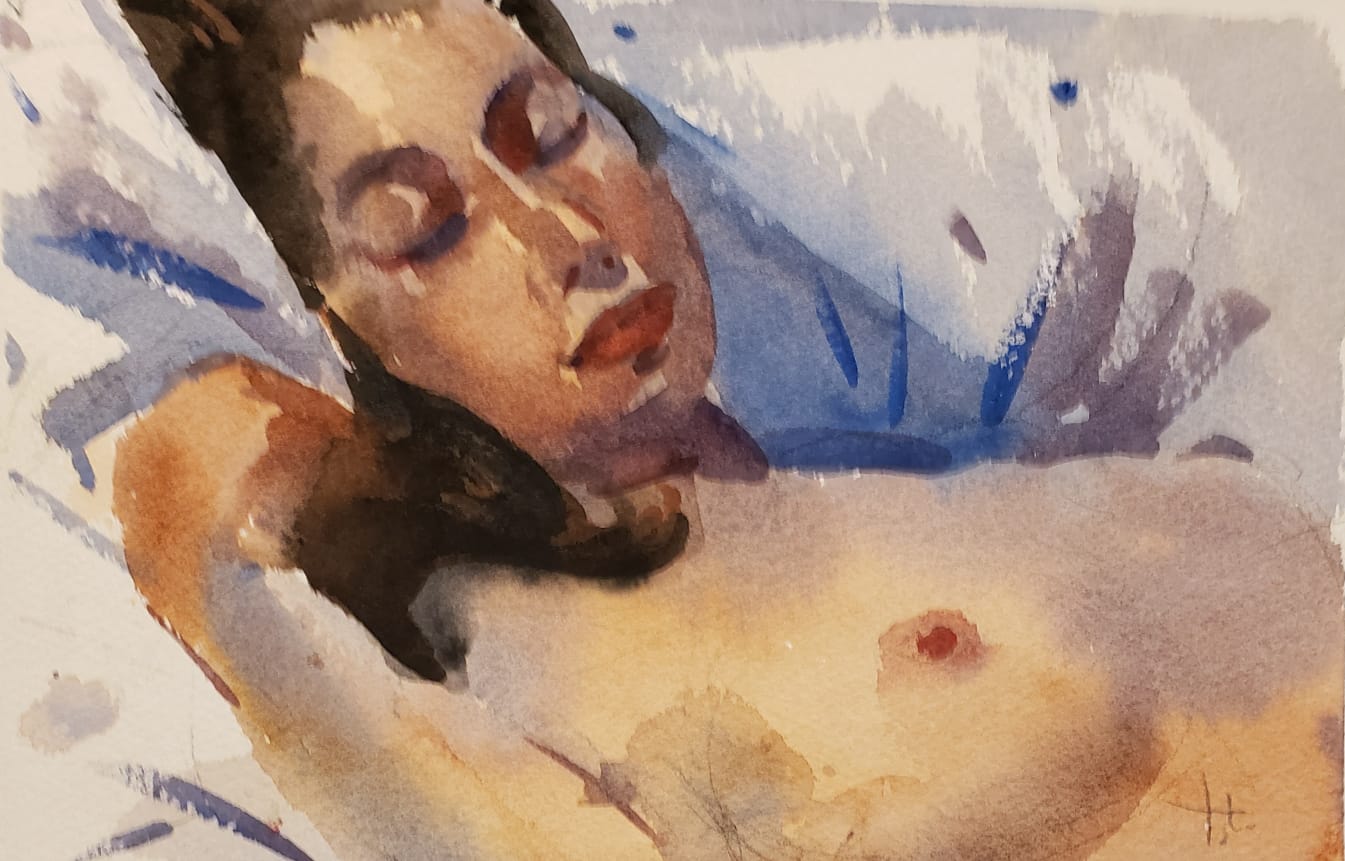
How this choice reshapes the spaces you move through
Art has a unique ability to transform not just walls, but entire rooms and even the atmosphere of a home. When you introduce an original piece into your space, it becomes a focal point, inviting conversation and reflection. The colors and textures can alter the mood, creating an ambience that resonates with your personal style and the stories you wish to share with guests. This is particularly true in a place like Santa Fe, where the interplay of light and landscape often amplifies the emotional impact of art.
Selecting artwork isn’t merely about aesthetics; it’s about creating an environment that nurtures your spirit and reflects your journey. As you surround yourself with pieces that resonate deeply, they can evoke memories, inspire creativity, or provide comfort during quiet moments. For example, a vibrant painting might energize your morning routine, while a soothing landscape could serve as a peaceful backdrop for introspective evenings. The choices you make resonate long after the initial purchase.
Experiencing art in Santa Fe can also change how you move through public spaces. Galleries and museums often host events that draw the community together, fostering a deeper appreciation for creative expression. The conversations sparked by these events can enrich your understanding not only of the art but also of the cultural fabric that binds the city. Consider visiting the O’Keeffe Museum, where the works on display transport you into the mind of one of America’s most influential artists, and experience firsthand how her art has impacted the landscape of Santa Fe and beyond.
Your choices in art reflect more than just personal taste; they signal intentions and aspirations. Whether it’s an ambitious piece that challenges conventions or a subtle work that evokes nostalgia, these selections play an important role in curating your experience of the world. In this way, the act of buying original art becomes an opportunity to shape not just your living space, but the broader narrative of your life.
Owning your taste instead of chasing trends
Finding original art that resonates with you is a deeply personal journey, one that invites you to explore your own aesthetic rather than follow fleeting trends. In a city like Santa Fe, where traditions and modernity intertwine, the opportunity arises to discover pieces that reflect your unique perspective. Instead of succumbing to the latest fads, consider what truly speaks to you. A piece that resonates today may spark joy for years to come, while trend-driven choices can quickly feel dated and uninspired.
As you navigate the vibrant art scene, allow your intuition to guide you. Engage with local artists, attend gallery openings, and immerse yourself in the creative dialogues happening around you. The essence of Santa Fe lies not only in its scenic landscapes but also in the stories captured within the artworks. For instance, artists on Canyon Road often present their works in the context of the environment, encouraging buyers to connect with the landscape that inspires them. When you choose art that feels authentic to your taste, you cultivate a personal connection that transforms each piece into more than just an object; it becomes a part of your journey.
Reflect on the emotions art stirs within you. Whether it’s the vibrant colors of a contemporary piece or the subtle textures of a traditional work, this emotional response can be a guiding compass. Engaging with art isn’t merely an aesthetic experience; it’s an invitation to explore your tastes and values. This exploration can lead to a collection that tells your story, rather than simply joining the ranks of what’s popular at the moment.
- Visit local galleries regularly to build relationships with artists.
- Keep a journal of your favorite pieces and why they speak to you.
- Don’t rush the decision—give yourself time to reflect on your choices.
If you want to see the classical approach alive in contemporary work, you can browse the paintings or explore a commission—quietly, on your own terms.