
Sunlight streams through the tall windows of a Scottsdale gallery, illuminating vibrant canvases that seem to pulse with life. Each brushstroke tells a story, textures play against one another, drawing visitors closer. The air is infused with a sense of possibility as collectors stroll through the space, pausing thoughtfully before pieces that resonate with them, imagining the narratives they would invite into their homes. Here, art becomes a touchstone, something more than mere decoration—it’s a reflection of discerning taste and personal values.
When it comes to buying art as an investment, the journey goes beyond the mere aesthetics of a piece. It involves a nuanced understanding of authenticity, provenance, and the shifting tides of market value. Collectors in Scottsdale often weigh their choices against a backdrop of cultural significance and emotional connection, seeking pieces that not only enhance their living spaces but also hold the potential for appreciation over time. In this guide, we will navigate the quiet rules and signals of the art market, helping you to make informed decisions based on honesty and insight.
As you explore these insights, remember the earlier notes on mastering the art of selection, which can illuminate your path as you consider what it means to invest in art in Scottsdale.
What buying art as an investment signals about you
Investing in art communicates a profound appreciation for creativity and culture. For individuals in Scottsdale, selecting a piece that resonates often serves as a form of self-expression, reflecting personal values and worldview. It signals an understanding that art transcends mere decoration; it becomes a conversation starter, a marker of sophistication, and a testament to one’s journey. Each choice reveals layers of taste, ambition, and a desire to connect with something greater than oneself.
As the art market evolves, buyers need to think critically about originality and condition. When considering a purchase, factors such as provenance play a vital role in confirming a piece’s legitimacy and enhancing its value. A thorough investigation of an artwork’s history can illuminate its significance, allowing collectors to make confident decisions. This is particularly important in a community like Scottsdale, where the local culture deeply intertwines with established art histories and emerging talents alike.
Scale and visual impact also cannot be overlooked. A piece that captivates can draw attention and admiration, becoming a focal point in any space. Collectors often find themselves drawn to works that evoke emotion and provoke thought. This connection is crucial, as it not only enriches their living environment but often accompanies the promise of future value appreciation. Engaging with art in this way goes beyond financial reasoning; it enriches the soul and fosters a lasting relationship with creativity.
To dive deeper into your journey, consider exploring established avenues of art appreciation, such as the renowned Canyon Road, where one can witness the intersection of tradition and innovation firsthand. Each visit provides a fresh perspective, allowing collectors to refine their standards and deepen their connection to the art world.
The gap between surface impressions and reality
For anyone considering buying art as an investment in Scottsdale, Fall Art Walk 2026 can make the local art conversation tangible. Notice how the work handles material, scale, and intent, then carry those observations back to the quieter buyer questions of originality, provenance, and whether a piece continues to hold attention beyond its first impression.
Art is often perceived through a lens of glamour and prestige, leading many to assume that high prices guarantee high quality. However, the vibrant art scene in Scottsdale reveals a more nuanced reality. Behind each striking piece is a story of dedication, creativity, and sometimes even struggle. Understanding the artist’s journey can drastically alter perceptions about value and investment. For those looking to buy art, especially as an investment, it’s crucial to look beyond initial impressions and engage with the deeper aspects of each artwork.
Consider how local events, such as the local art event, allow collectors to connect directly with artists and their works. These interactions foster a sense of community and can illuminate the context that surrounds each creation. Buyers who take the time to attend such events can gain invaluable insights into the themes, techniques, and motivations that inform a piece, aiding in their decision-making process.
Moreover, buyers should recognize the importance of art education. Familiarity with art history, styles, and market trends equips collectors with a more robust framework for evaluating potential investments. Local institutions and galleries often offer workshops and resources, providing an opportunity to deepen one’s understanding. This education not only enhances the collecting experience but also serves as a safeguard against impulsive purchases driven by surface-level allure.
Finally, as the Scottsdale art market continues to grow, so does the diversity in artistic expression. This evolution invites collectors to explore beyond the mainstream, discovering emerging artists whose work may hold significant future value. The journey of buying art as an investment is as much about exploration and passion as it is about strategy and financial gain. Engaging fully with this vibrant ecosystem can transform mere transactions into meaningful connections that enrich both the collector and the broader community.
Choosing in a way that still feels honest
When collectors in Scottsdale contemplate buying art as an investment, the decision-making process should be rooted in a genuine connection to the artwork rather than merely following market trends. Authenticity in choice is essential; it can significantly influence not just the investment potential but also the personal satisfaction derived from the piece. Collectors should ask themselves questions about what resonates with them: Does the artwork evoke emotions? Does it tell a story that aligns with their values? These reflections are crucial in ensuring that the investment is not just transactional but meaningful.
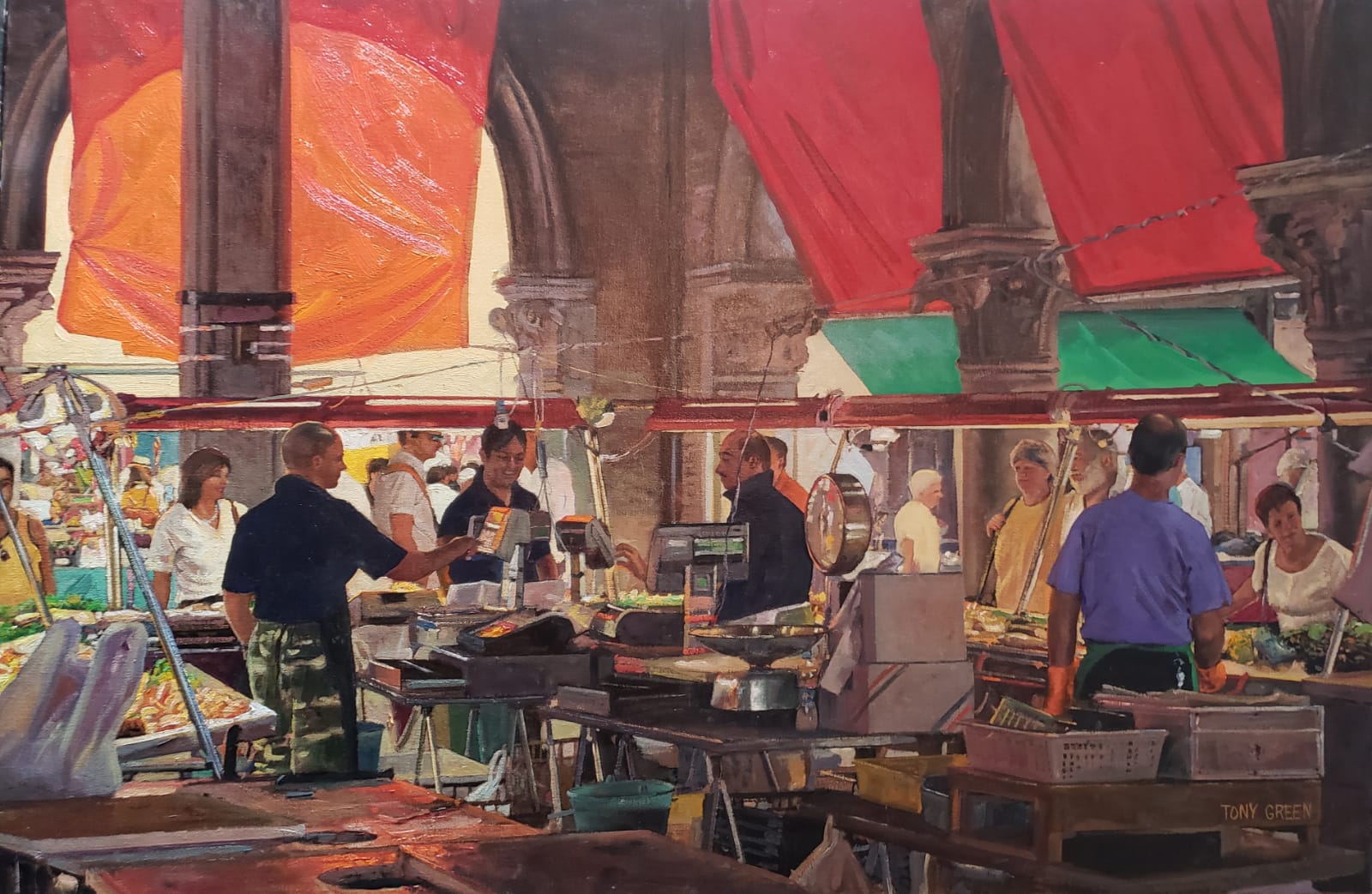
Furthermore, understanding the artist’s intent and the context in which the work was created enriches the buying experience. Collectors who take the time to research artists, such as Tony Green, and engage with their creative journeys often find a deeper appreciation for the pieces they are considering. This knowledge fosters a sense of integrity in the buying process, allowing collectors to stand confidently behind their choices. Ultimately, choosing art that feels honest to personal aesthetics and beliefs lays a solid foundation for both emotional fulfillment and potential financial reward in the evolving market landscape of Scottsdale.
Additionally, understanding provenance plays a crucial role in ensuring the integrity of the investment. Researching an artwork’s history can illuminate its journey through the market, helping buyers discern authenticity and potential future value. Resources like the Getty Provenance database can assist in verifying the background of a piece, offering peace of mind alongside the thrill of ownership. In a city like Scottsdale, where art thrives amidst a dynamic community, this diligence can pave the way for rewarding choices in the evolving art market.
A 90-second checklist for serious buyers
Before plunging into the vibrant art scene, buyers should equip themselves with a quick yet essential checklist. Start by defining a budget that not only reflects your financial capability but also aligns with your aesthetic goals. Knowing what you can comfortably invest will streamline your search and help you avoid pieces that may stretch your finances too thin. Collectors often find that striking a balance between passion and prudence enhances the overall experience.
Next, consider the emotional connection you have with the artwork. Ask yourself what resonates with you on a personal level. This could range from the theme and color palette to the artist’s narrative. Such introspection fosters a deeper appreciation and potentially increases the artwork’s value over time. Knowing why a piece speaks to you will make it easier to articulate its significance, whether to friends, family, or future buyers.
Additionally, engaging with local galleries and exhibitions is a vital step. Not only does this expose you to a wider array of artists and styles, but it also allows for valuable conversations that can shape your understanding. Events like those at Canyon Road provide opportunities to ask questions and gain insights directly from gallery owners and artists, enhancing your investment decisions.
Lastly, don’t forget the importance of documentation. Ensure that every piece you consider comes with proper provenance and any available certificates of authenticity. This diligence protects your investment and provides assurance of the artwork’s legitimacy. With these steps, buyers in Scottsdale can navigate the art landscape with confidence, creating a collection that not only enchants but can also thrive in value.
How this choice reshapes the spaces you move through
Buying art as an investment in Scottsdale is not just about acquiring a piece to fill an empty wall; it fundamentally transforms the environments you inhabit. Art has the power to evoke emotions, stir memories, and create dialogues, all of which play a crucial role in shaping the atmosphere of your home or office. When collectors choose pieces that resonate with them personally, they are not only making aesthetic decisions but are also curating a narrative within their spaces that reflects who they are and what they value. Each artwork becomes a conversation starter, inviting guests to engage with the stories and emotions behind the piece, thus enriching the experience of the space.
Furthermore, the choice of artwork can significantly influence not only the visual appeal but also the perceived value of a space. In Scottsdale, where the art market thrives, selecting pieces from emerging artists or established names can enhance the overall ambience, signaling a sophisticated understanding of culture and investment. As collectors become more deliberate with their selections, they foster environments that encourage creativity and inspiration, making their spaces not just livable, but truly exceptional. This approach to art purchasing reinforces the idea that art investment is about more than just financial return; it is about enhancing life experiences and creating meaningful spaces that resonate with one’s identity.
- Think about color schemes and themes.
- Visualize placement before purchase to ensure harmony.
- Ask about the artist’s story to deepen your connection.
Owning your taste instead of chasing trends
In the realm of buying art as an investment in Scottsdale, it is essential for collectors to cultivate a personal aesthetic that reflects their individual preferences rather than succumbing to fleeting market trends. This approach allows for a collection that is deeply meaningful and resonates with one’s values and experiences. By focusing on pieces that evoke genuine emotional responses, collectors can ensure that their investments are both enjoyable to live with and potentially valuable over time.
Moreover, owning your taste creates a distinctive identity within the art community. When collectors are true to themselves and their tastes, their collections showcase their unique perspectives, rather than mimicking the prevailing fashions of the moment. This authenticity not only enriches the collector’s experience but also attracts like-minded individuals who appreciate the thoughtfulness behind each purchase. In a dynamic market like Scottsdale, where trends can shift rapidly, grounding oneself in personal taste becomes a powerful tool for making strategic investment decisions in art.
If you want to see the classical approach alive in contemporary work, you can browse the paintings or explore a commission—quietly, on your own terms.
Leave a Reply