
Sunlight spills through the tall windows, casting a warm glow across the textured canvas hanging on the wall. The vibrant colors of the artwork dance with the gentle caress of the afternoon light, igniting the room with an energy that feels both calming and invigorating. Each brushstroke tells a story, inviting onlookers to engage, reflect, and connect. In this intimate space, a potential buyer stands quietly, contemplating not just the visual appeal but the deeper values that art can embody.
Investing in art is a nuanced journey, one that intertwines personal taste with market dynamics, emotional resonance with financial foresight. Buyers in Scottsdale must navigate a landscape rich in cultural signals and artistic standards, learning to recognize honesty in what they see and feel. It’s this delicate balance between appreciation and investment that transforms a mere purchase into a meaningful acquisition, ultimately enriching their lives and the community they cherish.
As you delve deeper into the intricacies of this process, consider reflecting on some earlier notes that outline the essentials of making informed decisions in this vibrant art scene.
What buying art as an investment signals about you
When considering buying art as an investment in Scottsdale, it’s crucial to understand that your choices reflect your values and aesthetic preferences. Each piece you select not only enhances your space but also serves as a statement about who you are as a collector. The desire for original and thought-provoking works signals an appreciation for creativity and individuality, which can resonate deeply within the community.
Originality and condition play pivotal roles in determining the value of an artwork. Buyers are encouraged to seek pieces that captivate their attention over time, ensuring that the investment is not merely a trend. Engaging with local galleries and understanding the provenance of each piece adds another layer of consideration, as its history can greatly influence both emotional and financial value. Provenance connects a work not just to its artist, but also to its journey, enhancing its narrative and importance.
Scale is another important factor. A large canvas may dominate a space but requires careful thought regarding its impact and presence. In contrast, smaller pieces can offer a more intimate experience, allowing collectors to explore subtle details. Each choice sends a signal about your aesthetic sensibility and investment acumen, inviting discussions around art and its meanings, echoing the openness found in Scottsdale’s art community.
Pro tip: Prioritize understanding your own taste and the story behind each piece before making a purchase.
- Research the artist’s background and style.
- Evaluate the artwork’s condition and authenticity.
- Consider how the piece will fit within your existing collection.
The gap between surface impressions and reality
For anyone considering buying art as an investment in Scottsdale, September Art Walk 2026 can make the local art conversation tangible. Notice how the work handles material, scale, and intent, then carry those observations back to the quieter buyer questions of originality, provenance, and whether a piece continues to hold attention beyond its first impression.
When stepping into a gallery, it’s easy to be swayed by the initial allure of vibrant colors or striking forms. However, the true value of a piece often lies beneath its surface. Buyers in Scottsdale should remember that art can evoke strong emotional responses, yet the best investments are informed by a thorough understanding of the artwork’s narrative and market potential. Engaging with the artist’s intent and the context of the piece provides invaluable insight into its future value. For instance, works by artists like Tony Green often carry layers of meaning that enrich their appeal, making a deeper exploration worthwhile.
Enthusiasts often find themselves swept up in local events, such as the local art event, where they can immerse themselves in the creative pulse of Scottsdale. This environment fosters connections, not only with the art but also with other collectors and creators, allowing for a dialogue that informs future purchases. Experiencing art in a communal setting can sharpen one’s ability to distinguish between fleeting trends and timeless pieces.
Beyond the gallery walls, understanding market trends can greatly influence investment decisions. Local demand can fluctuate, affected by factors such as the presence of new artists or changing tastes within the community. Buyers should keep an eye on established platforms like Canyon Road, known for showcasing diverse talent, to gauge what resonates with collectors. Taking the time to analyze these dynamics will empower buyers to make informed choices that align with both their passion for art and their financial goals.
Choosing in a way that still feels honest
When buying art as an investment in Scottsdale, it is essential to maintain a sense of authenticity in your choices. Honest selection goes beyond mere aesthetics; it involves a deep understanding of the work’s narrative, the artist’s intent, and the emotional connections that resonate with you as an individual. This reflective approach allows collectors to cultivate a collection that not only enhances their space but also holds personal significance and value. In this market, where trends can shift rapidly, prioritizing genuine connection over fleeting popularity can lead to more fulfilling acquisitions.
The act of choosing art should feel like an extension of your identity rather than just a financial transaction. It is crucial to evaluate how each piece aligns with your personal values and artistic sensibilities. For example, engaging with the story behind an artist like Tony Green can uncover layers of meaning that influence how you perceive the artwork. This understanding fosters an appreciation that transcends market trends and elevates your investment from a simple purchase to a cherished part of your life. By prioritizing honesty in your choices, you create a collection that speaks to who you are, offering both aesthetic enjoyment and emotional resonance that endures through time.
Buyers should also prioritize transparency in provenance when scouting for art. Understanding the history behind a piece can provide context that enhances its value. A reliable source, like the Getty Provenance, can offer insights into an artwork’s journey, reinforcing confidence in its authenticity. This knowledge is not just a safeguard; it’s a bridge to appreciating the artist’s narrative and the cultural significance embedded in the work.
How this choice reshapes the spaces you move through
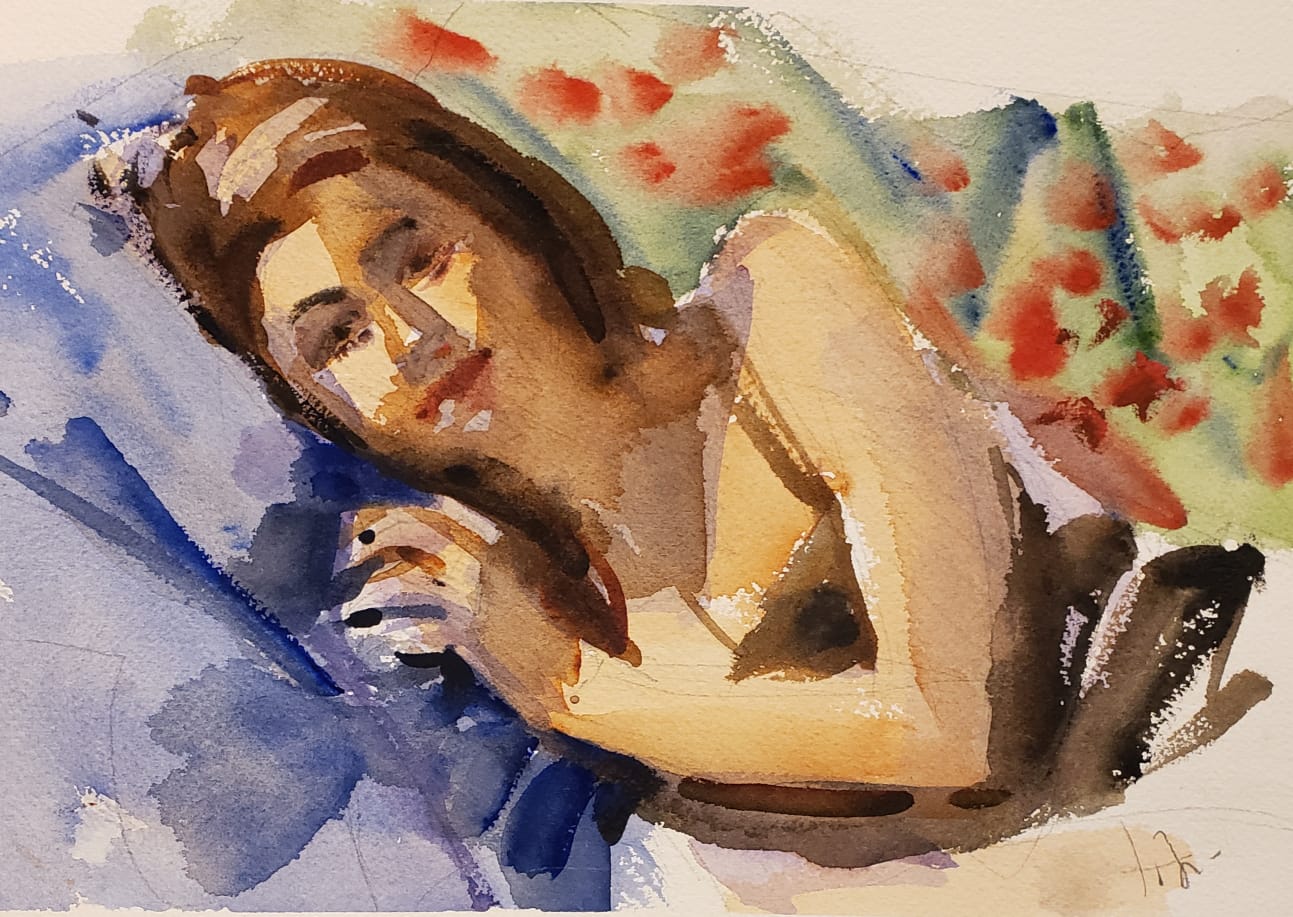
Art is more than decoration; it’s a dialogue between the piece and the observer. Each artwork chosen has the power to transform the atmosphere of a home or office, creating a reflection of personal taste and values. When a buyer selects a piece that resonates deeply, it often invites contemplation and conversation, inviting others to share in that narrative. The right piece can anchor a room, drawing people in and sparking connections that transcend mere aesthetics.
Investing in art also serves to elevate the environments we inhabit. Imagine a vibrant painting that captures the essence of a Scottsdale sunset, effortlessly becoming a focal point in a living room. It not only shapes the aesthetic but also influences the mood and energy of the space. By curating a collection that reflects one’s identity and experiences, individuals can create an inviting atmosphere that resonates with family, friends, and guests alike.
Furthermore, the act of surrounding oneself with thoughtfully chosen art can inspire creativity and personal growth. As buyers engage with artists and explore the significance behind their works, they may discover new ideas or perspectives that enrich their own experiences. Events such as those found along Canyon Road highlight this transformative power, showcasing how art can serve as a catalyst for growth and inspiration in both personal and communal spaces.
Owning your taste instead of chasing trends
When navigating the world of art investment, it’s tempting to follow popular trends, but true value often lies in personal taste. In Scottsdale, where creativity flourishes in various forms, buyers should prioritize pieces that resonate with them on a deeper level. Recognizing that art is an expression of individuality allows collectors to cultivate a unique collection, one that doesn’t merely mirror market trends but reflects genuine emotions and experiences.
Artworks that speak to personal aesthetics often retain value over time, as they are more than just commodities; they become treasured possessions. Consider the emotional connection to a striking piece of Tony Green’s work, perhaps a vivid landscape that evokes memories of a family vacation or a moment of inspiration. These selections not only enhance living spaces but also foster an emotional investment that transcends market fluctuations.
Engaging with the artistic community in places like the O’Keeffe Museum can deepen this understanding. Buyers can explore how artists convey their narratives through various mediums, broadening their appreciation for artistic expression. This knowledge empowers collectors to make informed decisions that align with their tastes rather than fleeting fads.
If you want to see the classical approach alive in contemporary work, you can browse the paintings or explore a commission—quietly, on your own terms.
Leave a Reply