Category: Blog

  • How to buy original art in Scottsdale: What matters before you buy

    How to buy original art in Scottsdale: What matters before you buy

    By late afternoon, the light in a Scottsdale living room can turn almost architectural: one wall goes honey-gold, another cools into shadow, and a canvas begins to show its real life only when you stand back three or four steps. You notice the edges first, then the surface—the drag of a brush, a faint weave in the support, a frame that either lets the work breathe or crowds it. At that distance, the painting stops being an abstract idea and becomes an object with weight, scale, and presence.

    That is where smart buying starts. The question is not whether a piece feels impressive in the moment, but whether its provenance holds up, the condition is clean, the medium matches the asking price, the dimensions make sense for the wall you actually have, and the placement will still work after the room is lived in. Authenticity matters, of course, but so does fit: a work can be real and still be wrong for the light, the ceiling height, or the way you want a room to read. In a market as active as Scottsdale, the fastest way to overpay is to let the story outrun the object.

    The sections ahead break that judgment into practical checks—what to verify, what to compare, and what to measure—building on earlier notes about looking past the surface and into the facts that travel with the work.

    Table of Contents

    Evidence and paper trail: what to verify first

    The story around a work can be persuasive before you ever lift the frame, but the first proof should be documentary. Ask for the invoice trail, any exhibition history, prior ownership notes, and a clear statement of authorship or attribution; if the seller cannot produce even a basic chain of custody, the price should move with that uncertainty. In a Scottsdale market where strong presentation can make a piece feel settled before it is, thin paperwork changes the conversation from collecting to guessing.

    One useful question is simple: “What document would let a future buyer verify this work without calling you?” If the answer is a gallery invoice, a dated sales receipt, a certificate tied to the artist, or a published exhibition listing, you have something concrete to compare. If the answer is a verbal account only, the offer may still be real, but the value claim is much weaker. For reference points on how serious records are handled in the wider market, the research tools at Getty Proven. are a useful benchmark.

    Paper also needs to match the object. Check that the dimensions on the listing match the actual work, that the medium is described consistently across documents, and that any edition number, signature placement, or inscription agrees with what is visible in hand. A mismatch as small as an altered size note or a vague medium description can signal a relabeling problem, and relabeling is often where the price starts to drift away from reality. If you are comparing available work on Shop or considering a commission through Commission, ask for the same level of specificity you would expect in a serious gallery file.

    When the proof is solid, the offer becomes easier to judge because the object is no longer carrying the whole burden of belief. That is the point where a buyer can start asking whether the stated condition and medium are strong enough to support the value being claimed, rather than hoping the paperwork will do that work for them.

    Pro tip: Before you discuss price, ask for three things in writing: a dated ownership record, a precise size and medium description, and one independent reference that can support the work’s history.

    Condition, medium, and conservation implications

    Once the proof is credible, the next decision is whether the object itself can carry the value being claimed. A clean chain of ownership means less if the paint layer is unstable, the support is warped, or an old varnish has gone amber and flattened the surface. In a Scottsdale home, that matters immediately: bright desert light, air conditioning, and large temperature swings can reveal weaknesses fast. Ask what the work is made on, how it was sealed, and whether any restoration has already been done; if the seller can’t answer in plain language, that is part of the condition report, not a side note.

    Medium changes the conversation. Oil on linen, acrylic on panel, watercolor on paper, and mixed media each age differently, and each asks for a different kind of care. A buyer should ask for the exact support and dimensions, not just the image size, because the stretcher depth, frame profile, and glazing affect both display and conservation. With Tony Green’s classical methods, that detail is especially useful: if you are comparing a finished panel to a canvas work, you want to know how each surface will behave under light, humidity, and handling. His About page gives useful context on the practice, while the Shop helps you compare medium and scale against pieces already available.

    Condition questions should be specific enough to force a measurable answer: Is there craquelure? Any lifted pigment? Has the varnish been cleaned, replaced, or left original? Are there repairs on the reverse, edge wear, or prior frame rub? A seller who can provide a condition statement, close photographs in raking light, and a framing note is giving you something you can evaluate. If the work is being bought for a particular wall or room, ask for a side-by-side comparison with another piece of similar size, because scale is part of conservation too; a work that is overexposed or undersupported is not just fragile, it is inconvenient to live with.

    That is why the final question before payment is not sentimental but physical: can this piece be safely handled, displayed, and maintained where you plan to place it? If the answer is uncertain, a conversation about custom framing or room-specific sizing belongs in a Commission discussion before the sale closes.

    Scale, placement, and how the work lives in the room

    The last step before a purchase feels final is often a tape measure, not a feeling. A painting that looks elegant on a phone screen can overwhelm a narrow wall, disappear above a tall console, or crowd a seating area once it is actually hung. In Scottsdale homes, where light, ceiling height, and open plans can make a work read larger than expected, I want buyers to compare the artwork’s framed dimensions against the wall span, the furniture beneath it, and the sightline from the room’s main entry. If the piece is already on view, confirm the full outer size, not just the image size, because the frame changes how the object occupies space.

    Framing is part of the object’s scale, not an afterthought. A deep shadow box, a narrow gilded profile, or a simple float mount will change how far the work projects and how formal it feels. That matters when you are placing a classical method painting by Tony Green, whose surfaces and proportions can reward closer viewing; the right frame should support the painting without competing with it. Ask for the frame dimensions, the hanging weight, and whether the work can be installed with standard hardware or needs special support. If the piece is being considered for a specific wall, a room photo with rough measurements is more useful than a long description.

    Light is the other pressure point. Direct afternoon sun, bright interior wash, and warm lamp light all alter how pigments, varnish, and texture read across the day. A buyer should stand in the intended spot at the hour the room is used most and ask a simple question: does this surface still look composed, or does glare flatten it? If the room has strong windows, the work may need a different wall, a UV-filtering glazing choice, or a quieter surrounding palette. For collectors who want room-specific guidance, a commission conversation can be the cleanest path when the wall is fixed but the size is not.

    That lived-room test is where the decision usually sharpens. Measure the wall, mark the top and side margins with painter’s tape, and compare the artwork’s presence from the distance you actually sit or walk.

    A 90-second checklist before you buy

    Then look at the join between object and room: can the frame carry the weight of the work, and can the wall carry the weight of the frame? A narrow plaster wall, a bright hallway, or a low-hung niche changes the answer fast. If the piece is one you might live with for years, compare it against the images and notes in About or the available works in Shop; the goal is to see whether the scale and finish still make sense when the object is not alone on a white background. Opening Reception for “Off the Clock” gives you a public counterpoint here: it shows how much presentation can shape first impressions before the work has to stand on its own.

    If the answer is still yes after that pass, the last step is practical: compare it to one other option of similar scale, then decide whether the story attached to the work still matches what you see in front of you. When the wall is fixed but the size is not, a direct conversation through Commission is often the cleanest way to make the fit exact before the next decision takes over.

    Authenticity, comparison, and when the story outruns the object

    The previous checks only matter if they hold up when the work is placed beside something credible. A seller may describe a painting as rare, early, or especially important, but the object itself should still answer a few plain questions: does the handwork match the claimed period, does the surface show the expected wear for its age, and do the materials read consistently with the story? If the answer wobbles, ask for the document trail behind the claim—invoice, exhibition note, gallery record, or a provenance chain you can compare against Getty Proven.

    Pro tip: Before you commit, ask for three things in one message: the full provenance summary, one detail photo of the signature or critical surface area, and one comparison work the seller considers comparable in scale or period. If those three answers do not line up, the story is outrunning the object.

    How to use Scottsdale as context without outsourcing your judgment

    For artists working in classical methods, the question is not whether the method sounds impressive, but whether it survives close looking and a real interior. Tony Green’s background, outlined on the About page, matters here because process affects surface, depth, and how a finished painting holds up under Arizona light. If you want to compare current availability by medium or size, the Shop is the quicker way to see what is already resolved versus what would need a custom conversation.

    When the sales language starts to blur into atmosphere, bring the discussion back to one decision: does this object still feel coherent when you imagine it unframed, framed, and lit the way your home actually runs? That is the point at which Scottsdale stops being a backdrop and becomes a test. Once that test is clear, the next step is simpler: compare the strongest candidate against the room, the budget, and the artist’s available body of work before you commit.

    how to buy original art in Scottsdale – Scottsdale
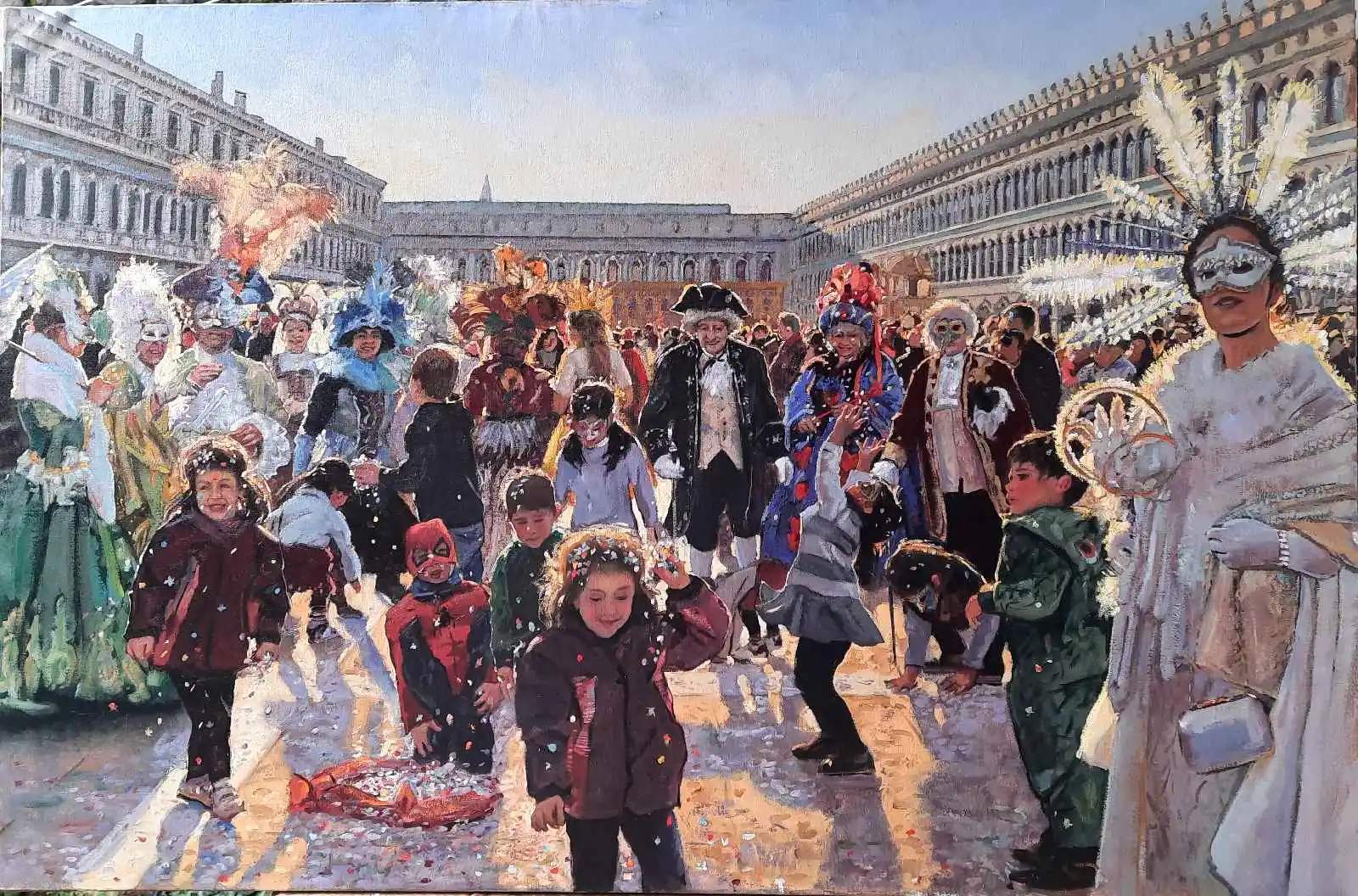
    VIEW OF RIVA
  • How to choose art that lasts in Santa Fe: What matters before you buy

    How to choose art that lasts in Santa Fe: What matters before you buy

    By late afternoon, the room has done most of the work for you: a plaster wall warming in slant light, a linen sofa pulling the eye low, a single frame leaning against the baseboard while you decide whether it belongs there. In Santa Fe, where adobe textures and clear light can make even a modest painting feel charged, the wrong scale announces itself quickly. Too small, and it disappears into the wall. Too large, and the room starts resisting it.

    That is the real question behind buying art meant to last: not whether you like the image today, but whether the object will still hold its place after the first season, the first move, the first change in light. The useful checklist is more exacting than taste alone: provenance, condition, medium, support, dimensions, framing, placement, authenticity, and how all of that fits the wall you actually have. A lasting purchase is usually the one you can verify, compare, and measure before it ever comes home.

    If you want a practical way into that judgment, the sections below follow the same order collectors use in the room, building on earlier notes and moving from what you can see at a glance to what you should ask before money changes hands.

    Table of Contents

    Evidence and paper trail: what to verify first

    The first thing to ask for is not a price reduction; it is the paper that supports the object’s story. A serious seller should be able to produce a dated invoice, a certificate of authenticity or attribution, prior exhibition or publication notes if they exist, and a clear ownership history that does not jump from one vague name to another. If the work is being offered through a gallery on Canyon Road or through a private studio like Tony Green’s, the standard is the same: who made it, when it left the artist, and how it has been documented since.

    Thin proof changes the decision fast. A painting with a strong surface presence but no invoice trail, no title history, and no signed documentation should be treated as a different class of purchase than one with a coherent chain of records. If the seller cannot answer a simple question like, “What document would you hand to an insurer or appraiser tomorrow?” the offer is not yet ready for serious consideration. At that point, the missing evidence matters more than the visible charm, even if the work seems close in feel to pieces you have compared at places such as the O’Keeffe Mus.

    Measurements should match the paperwork exactly: image size, support size, framed size, and any notation about alterations, relining, or restoration. Ask for front and back photographs, detail shots of signatures, labels, stamps, and stretcher marks, then compare them against the written description. If the medium is claimed to be oil on panel, the reverse should look like a panel, not a canvas; if the scale is said to fit a specific wall, verify the framed dimensions, not just the image area. For collectors considering a work from Tony Green’s shop, that kind of comparison keeps the decision grounded in facts instead of presentation.

    When the record is clean, the conversation can move to authorship, editioning, and whether the story is supported by evidence rather than atmosphere. Tony Green’s background and classical method are outlined on his About page, which helps a buyer compare the work in front of them with the maker’s stated practice before asking about a custom size or room-specific commission.

    Condition, medium, and conservation implications

    The first decision is usually not the price. It’s the surface. In Santa Fe, where light can be relentless and walls often carry strong textures of their own, a painting’s medium tells you how it will hold up in real rooms, not just in a gallery. Oil on panel behaves differently from oil on canvas; a gilded ground asks for different care than a matte tempera surface. If the work is framed under glazing, ask whether that glazing is UV-filtering and whether the spacers prevent the image from touching the glass. A seller should be able to state the support, the medium, the dimensions, and any restoration history without hedging.

    Condition is where the object either earns its asking price or starts to wobble. Look closely for craquelure that is stable versus lifting paint, darkened varnish, abrasion at the edges, and any warp in the support. If the piece has been lined, relined, cleaned, or inpainted, ask for the dates and the conservator’s notes. One useful question is simple: “Has any part of the original surface been replaced or retouched, and can you identify where?” That answer matters more than a flattering description, especially if you are comparing it with a work from the artist’s current practice on the shop page or a future room-specific fit through a commission.

    Medium also shapes the long view. Classical methods can age beautifully, but only when the materials are compatible and the surface has been built for stability. Ask what ground was used, whether the support is archival, and whether the pigments or leaf elements are sensitive to light. If a work is intended for a sunlit room, request the maximum recommended light exposure in lux and confirm whether the frame can buffer dust and moisture. A collector in Santa Fe may be comparing this to other works seen locally, perhaps alongside the context of Canyon Road or the standards implied by the Getty Proven. archive, but the practical test remains the same: can this object keep its appearance without constant intervention?

    Pro tip: Ask how the medium and support have aged before you judge the surface.

    • Request close photos in normal and raking light.
    • Separate material facts from the seller’s description.
    • Treat restoration history as value context, not trivia.

    Scale, placement, and how the work lives in the room

    The first decision is usually not the purchase. It’s the standard. A work can be beautifully made and still fail the room if the dimensions fight the wall, the seating distance, or the light. Measure the wall in inches, then mark the actual footprint with painter’s tape: height, width, and, if it is framed, the outer frame size as well. That quick outline tells you more than a gallery thumbnail ever will. If you are comparing pieces for a Santa Fe home with deep portals, adobe surfaces, or low-slung furniture, ask for the exact dimensions and a photo of the work beside a door or chair so you can judge scale without guessing. Santa Fe Literary Review Annual Reading and Reception gives you a public counterpoint here: it shows how much presentation can shape first impressions before the work has to stand on its own.

    Framing changes the decision as much as image size. A narrow panel in a heavy gilt frame can read formal and commanding; the same panel float-mounted in a simple wood frame can feel quieter and more contemporary. Ask what the frame adds in depth, not just width, because a piece that projects too far can crowd a hallway or sit awkwardly over a mantel. Lighting matters just as much: north light is forgiving, direct sun is not, and a varnished surface can throw glare where a matte surface will not. That is where a buyer should compare medium, support, and placement together, then decide whether the work needs a different wall, a different frame, or a different size altogether. Tony Green’s method is rooted in classical construction, which makes those physical questions especially legible when you are evaluating how a painting will perform in real light.

    Here’s the part most people skip. Stand where you will actually live with the piece and check the sightline from the sofa, the dining table, and the entry. A painting that looks balanced head-on can feel too low when viewed from a chair or too busy when seen from a doorway. If the work is on paper, confirm glazing, UV protection, and reflection at the intended height; if it is on canvas or panel, ask whether the edges are finished and whether the piece can hang unframed. For collectors who want a room-specific fit without forcing the wrong object into place, a commission can solve the scale problem cleanly, which is why the commission option belongs in the conversation before you finalize a purchase.

    Authenticity, comparison, and when the story outruns the object

    Here’s the part most people skip. Put the work beside two or three credible examples from the same maker or period and compare the quiet facts: proportion, handling, palette restraint, and how the finish catches light. If the story leans hard on rarity, ask what exactly is rare here—the format, the scale, the subject, or the provenance. A piece can be fully authentic and still be a weaker example if the composition feels compressed, the condition report shows restoration in the focal area, or the dimensions make it fight the wall you have in mind. Tony Green’s method is built around classical discipline, so the comparison should be as exacting as the work itself.

    When the narrative begins to outrun the object, the mismatch is usually visible before it is verbalized. Maybe the sales copy names an important lineage, but the object lacks the physical cues that support that claim. Maybe the price assumes museum-scale significance while the actual piece is modest in execution or awkward in scale. In that case, ask for a written provenance summary, a condition statement, and one direct comparison to another work of similar medium and size—preferably from the same studio or market tier. If you are weighing a purchase for a specific wall or collection direction, the available work at the shop can help you compare medium and scale without guesswork.

    When the comparison still feels unresolved, the next question is not whether the story is beautiful; it is whether the object can carry it in your space, under your light, among the other pieces you already own.

    How to use Santa Fe as context without outsourcing your judgment

    Here’s the part most people skip. Walk out of the gallery and picture the painting or drawing in the exact place it will live: above a low sofa, in a narrow hall, beside a kiva fireplace, or in a room that already carries strong pattern. Measure the wall space, then compare that to the object’s outer dimensions and frame depth, not just the image area. A work that feels generous in a white room can tighten up fast once it meets furniture, trim, and the other objects around it. If you are weighing a finished piece against a room-specific option, Tony Green’s commission page is the right place to think through fit before the wall becomes the problem.

    The change from gallery to home is often about light and distance. In a gallery, viewers stand closer, linger longer, and accept controlled illumination; at home, the piece may be seen across a room, under warmer bulbs, with reflections from glass or varnish that were less obvious before. Ask what the work looks like in raking light, whether the frame is conservation-minded, and whether glazing will create glare in your room. If you want to compare available works by medium and scale, the shop makes that easier, while Tony Green’s about page gives useful background on the classical method behind the work.

    Santa Fe also rewards a buyer who can separate local atmosphere from lasting placement. A painting that feels perfect near the energy of Canyon Road may still need a quieter wall to breathe once it leaves town, and a work that reads richly beside one collection can disappear beside another.

    Pro tip: Use Santa Fe as context, not as permission to skip judgment.

    • Let local galleries sharpen your eye without outsourcing the decision.
    • Bring the same standard back to the work, the wall, and the documentation.
    • End with one action the buyer can actually take.
    how to choose art that lasts in Santa Fe – Santa Fe
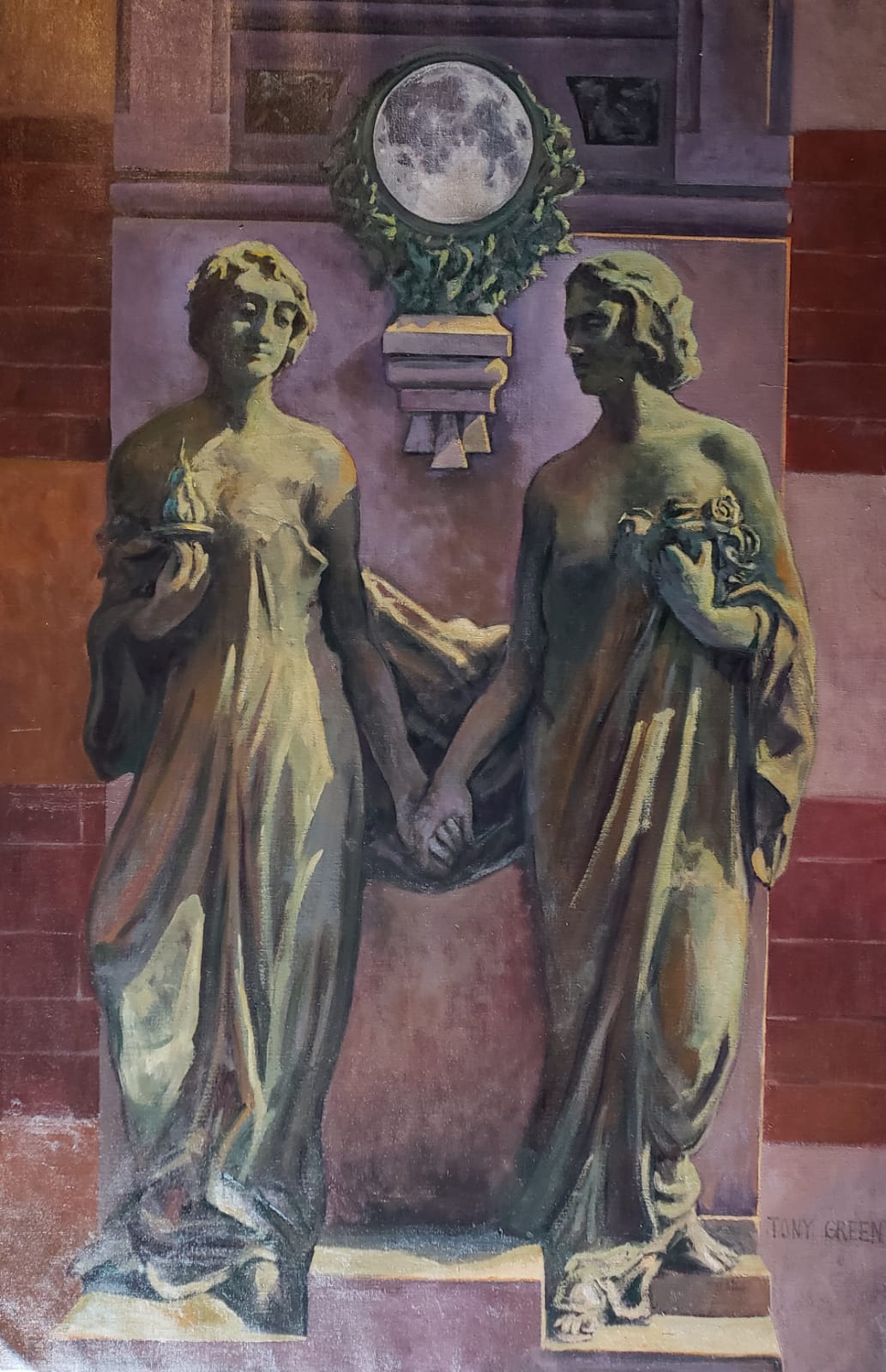
    LOVE OF LIFE
  • Collecting art in Scottsdale: A practical guide for collectors

    Collecting art in Scottsdale: A practical guide for collectors

    By late afternoon, Scottsdale light can flatten a room without warming it, and that is usually when the problem reveals itself: a painting that looked generous in the gallery suddenly feels too small above a sofa, or too loud against a pale wall with a hard edge of shadow. Linen, plaster, walnut, glass—each surface changes what the eye accepts. A work that seemed calm in one setting can start to argue with the room once it has to live with the furniture, the ceiling height, and the distance from the nearest lamp.

    That is the real buying problem in collecting art in Scottsdale: not whether a piece is attractive in the abstract, but whether it can survive scrutiny on provenance, condition, medium, scale, placement, authenticity, and fit. The collector’s job is to compare what is being offered against what can be verified, measured, and installed with confidence. A strong purchase is one that still makes sense after the frame is inspected, the surface is checked in raking light, the dimensions are tested against the wall, and the story behind the work holds up under questions.

    With that in mind, the sections below move from the most visible choices to the least forgiving ones, so you can read the room before you commit, and carry forward the earlier notes that matter most when a piece is about to become part of the space.

    Table of Contents

    Evidence and paper trail: what to verify first

    The first proof should be simple to name: who owned it, when, and on what basis the seller is offering it now. A clean invoice, a prior gallery receipt, exhibition history, or a published reference is more persuasive than a polished backstory. If the offer leans on vague family lore or “estate” language without names, dates, or a chain of custody, the price should move down with it.

    Ask for the document that best matches the claim being made. For a contemporary work, that may be a signed invoice, studio receipt, or certificate tied to the artist’s records; for an older piece, it may be a succession of ownership records and exhibition labels. A buyer comparing works should also request the exact medium and dimensions in writing, because a half-inch difference or a changed support can alter both placement and value. When the file is thin, the decision is no longer about the romance of the story; it becomes a question of whether you are paying for certainty or for risk.

    That is where provenance matters in a practical sense, not an abstract one. A documented trail lets you compare the offer against known market facts and ask better questions, including whether the work appears in a catalogue, whether there are condition notes from prior handling, and whether any restoration has been disclosed. If a seller cannot produce even a basic chain of ownership, the burden shifts to you to justify the purchase, and the discount should reflect that gap. For a useful reference point on what a serious paper trail can look like, the Getty’s Getty Proven. resource is worth keeping close.

    If you want to see how a working artist presents medium and scale with less ambiguity, Tony Green’s about page gives a clear sense of method, while the shop shows how those details should read when a collector is comparing available work. When the paper trail is credible, the next question is not whether the story sounds good, but whether the object itself can support the value being claimed.

    Condition, medium, and conservation implications

    Once the story and paperwork feel solid, the surface has to answer for itself. In Scottsdale light, that means looking past the glow of a polished image and asking what is actually carrying it: oil on linen, oil on panel, tempera, mixed media, or a work with later intervention. A clean-looking painting can still have cupping, abrasion, retouching, or a weakened support, and those details affect both longevity and price. If the seller can state the medium clearly and point to the support size, stretcher or panel construction, and any restoration history, you have something concrete to compare against the asking number.

    Ask direct questions: Has the work been lined, relined, varnished, or inpainted? Are there cracks, losses, foxing, warp, bloom, or signs of frame abrasion? Can you see the reverse, and does it match the stated age and construction? A buyer should also ask for exact dimensions of image, support, and framed size, because a painting that fits a wall on paper may still overwhelm a room once the frame is included. For collectors comparing contemporary and classical methods, Tony Green’s About page and Shop are useful references for how medium and scale are presented when the work is intended for real interiors.

    Condition is not only about damage; it is about how the object will age in the room you actually have. Direct afternoon sun, dry air, HVAC cycling, and reflective glazing all change what is safe to hang where. A buyer should ask whether the work needs UV-filtering glass, a deeper shadow gap, or a different wall altogether, and should compare that answer to the medium itself. Works on paper, gilded surfaces, and thin glazes tend to ask for more restraint than heavy-bodied oil, and those demands should be part of the price conversation before payment changes hands.

    Scale, placement, and how the work lives in the room

    The last question before a purchase is often the most practical one: where, exactly, will this live? A painting that feels commanding in a gallery can shrink on a long wall or overpower a narrow hall, so ask for dimensions with the frame included, then measure the wall space, the sofa, the doorway, or the niche it is meant to meet. If you are comparing two pieces, sketch each one at actual size on paper or tape the outline to the wall; that simple test often reveals whether the work needs breathing room or a tighter setting. Opening Reception for “Off the Clock” gives you a public counterpoint here: it shows how much presentation can shape first impressions before the work has to stand on its own.

    Framing changes the answer as much as the image does. A deep linen liner, a narrow gilt frame, or a float mount can shift the visual weight by several inches, and those inches matter when the room already has strong lines or low ceilings. For works on paper and more delicate surfaces, ask whether the current frame uses UV-filtering glazing and whether the depth allows the surface to sit safely off the glass; if you are weighing a piece from the shop, that information should sit alongside medium and size, not afterthoughts. The same logic applies to a room with hard light: morning sun, pendant glare, and a bright opposite wall all change how a surface reads.

    Placement is not only about wall space but about sightline. A work above a fireplace, for example, is viewed from farther away and slightly below, which favors clearer composition and larger forms; a smaller panel in a reading corner can tolerate intimacy and detail. If you are considering a piece for a specific room, ask for a straight-on image, a close view, and one photograph with a common object for scale, then compare those images to the actual furniture and circulation in the room. That is the point where a collector in Scottsdale can move from admiration to fit, and where a conversation about a custom size or finish may be better served by a commission than by forcing the wrong object into the right budget.

    Authenticity, comparison, and when the story outruns the object

    If you are weighing two works at similar price points, compare more than image appeal. Put the measurements side by side, note whether the support is panel, canvas, or paper, and ask for the date, medium, and any restoration history in writing. A seller who can answer those questions cleanly is giving you something you can verify; a seller who keeps shifting back to a romantic origin story may be asking you to pay for atmosphere rather than authorship. For market context, a quick look at Getty Proven. can help frame the kind of record you should expect before money changes hands.

    That same discipline clarifies fit. A work that is authentic but awkward for the room still needs a better answer: different scale, different orientation, or a commissioned piece tuned to the architecture. If the object’s dimensions, light response, or frame depth make it hard to live with where it will hang, the cleaner move may be to compare it with what is available in the shop or discuss a room-specific commission rather than stretching the story to cover a mismatch. In Scottsdale, where collectors often balance desert light, clean interiors, and a strong sense of placement, the best purchase is usually the one whose claims remain credible after the frame comes off the wall.

    Pro tip: Before you commit, ask for three things in one message: a straight-on image, a reverse image, and a written note of exact dimensions with medium and date.

    How to use Scottsdale as context without outsourcing your judgment

    The practical test is simple: ask for the exact wall width, hanging height, and the type of light it will face, then compare that against the work’s proportions before you buy. If the piece will live above a console, measure the furniture and the remaining wall field together; if it will hang opposite a window, ask how the surface handles glare. This is where a collector benefits from a working artist’s eye, and Tony Green’s background in classical methods is relevant because it puts finish, layering, and viewing distance back at the center of the conversation.

    What changes after purchase is often more revealing than the gallery moment itself. Take note of how the frame, the edge treatment, and the color temperature shift in your own space, then compare that memory with the gallery viewing so you can judge whether the work still carries its structure. If you are looking across sizes or mediums, the shop is useful for seeing how scale and surface sit together; if the piece needs a particular wall, ceiling height, or lighting plan, a commission may solve the room instead of forcing the room to accommodate the object.

    For collectors who like to verify before committing, one clean question is enough to change the conversation: “How will this look under warm evening light, and what happens if I move it three feet to the left?” That kind of comparison reveals more than a long checklist, because it asks the work to survive the actual life it will have in Scottsdale rather than the idealized one it had on the wall.

    collecting art in Scottsdale – Scottsdale
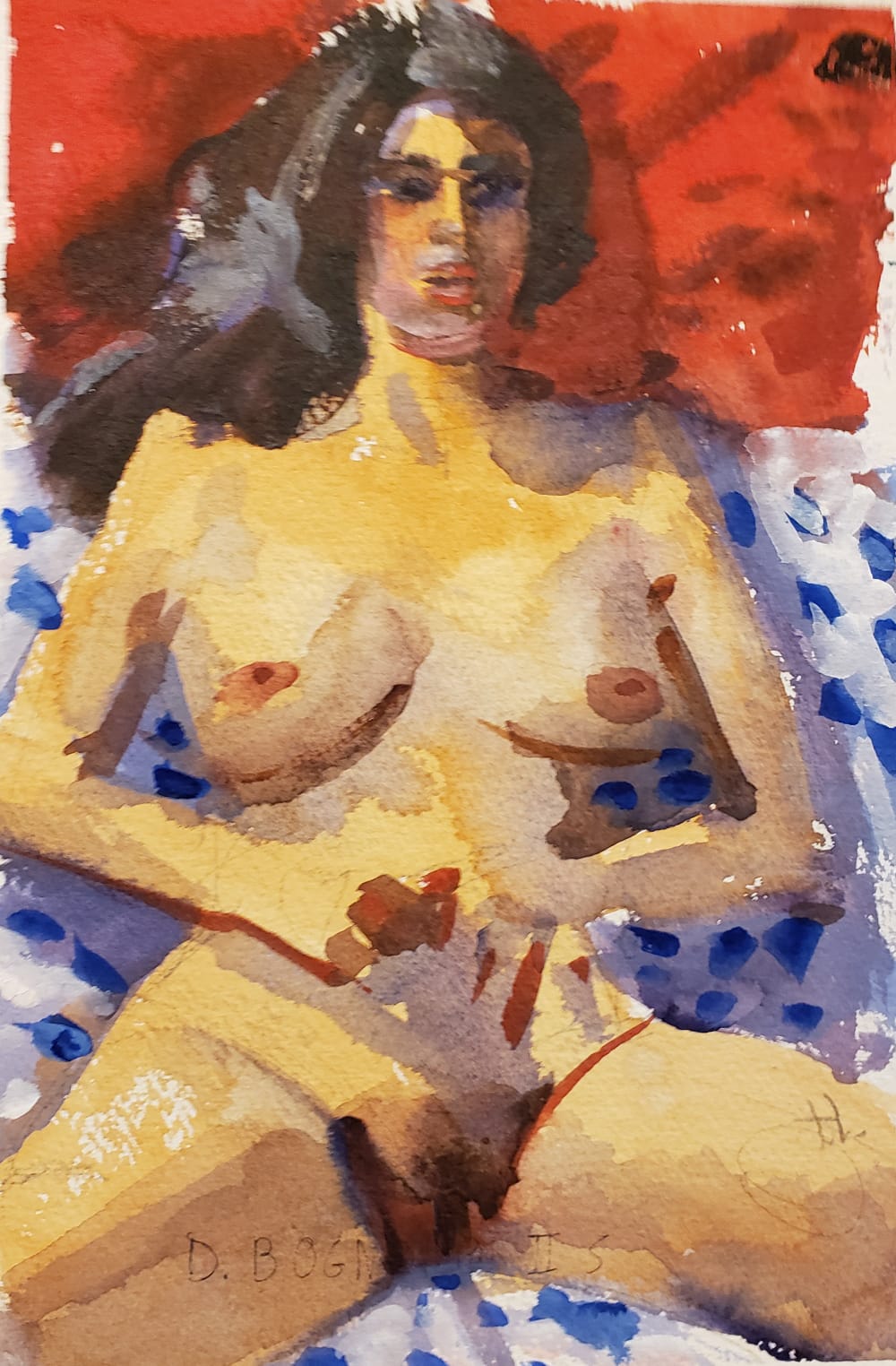
    RED WOMAN
  • How to choose art that lasts in Santa Fe

    How to choose art that lasts in Santa Fe

    Late afternoon in a Santa Fe room can make a painting look finished before you’ve even stood in front of it. The light comes in low, catches the weave of a linen canvas, and throws a shadow along the edge of a frame that suddenly looks too thin, too ornate, or just right. A work that seemed modest online can claim a wall once you measure it against the sofa, the doorway, the ceiling height, and the quiet in the space around it.

    That is the real problem this guide addresses: not whether a piece is attractive for a moment, but whether it will hold up as an object you live with and eventually want to keep. In Santa Fe, where collectors compare galleries, studios, and private holdings with a sharp eye, lasting value usually comes down to a few concrete checks—provenance you can verify, condition you can inspect, medium and support you understand, scale that fits the wall and the room, placement and lighting that won’t punish the surface, and authenticity that can be traced rather than assumed. Those are the details that separate a passing purchase from a work that still feels sound years later.

    As the earlier notes on buying original work in Santa Fe suggest, the smartest next step is not to broaden the search, but to narrow the questions: what exactly is being sold, what has happened to it, where will it live, and what will you be able to prove if you ever need to. The sections ahead turn those questions into a practical checklist.

    Table of Contents

    Evidence and paper trail: what to verify first

    The first thing to ask for is not a story, but the paper trail behind it: a signed invoice, a certificate of authenticity if one exists, prior sale records, exhibition history, and any condition notes tied to the work. A clean file does not guarantee value, but it tells you the object can be traced, and that matters more than a polished sales pitch when the asking price starts to climb.

    If the documentation is thin, the decision changes immediately. An unsigned receipt, a vague title, or a chain of ownership that jumps from “private collection” to “estate” without names should push you toward a lower offer, a longer hold, or no purchase at all. In Santa Fe galleries, where serious buyers compare notes quickly, the difference between “documented” and “described” can be the difference between confidence and a future dispute.

    Ask one concrete question: “Can you show me the work’s provenance from the artist forward?” Then compare the answer against the object itself—title, dimensions, medium, date, and any edition number should match across the paperwork and the label. If the seller can’t produce consistent measurements or the medium changes from one document to another, the story is already weakening.

    For older work, a quick check against institutional or scholarly records can save you from buying a gap disguised as a history; the provenance tools at Getty Proven. are useful for seeing how careful that trail can be. When the evidence is solid, you can move on with more confidence to what the object is made of, how it has aged, and whether its condition supports the value being claimed.

    Condition, medium, and conservation implications

    A clean paper trail only gets you to the threshold. The real test is whether the object itself can support the price being asked. A Santa Fe buyer sees this clearly in the gallery light: a linen canvas may present beautifully from six feet away, but under closer inspection a lifted corner, old inpainting, or a brittle varnish can change both the risk and the value. Ask for the condition report, then compare it to the work in hand: where are the repairs, what was stabilized, and has any restoration altered the surface texture or the artist’s original handling?

    Medium matters because different materials age in different ways. Oil on panel, for example, can remain remarkably crisp but may show panel movement or edge wear; oil on canvas can be stable yet vulnerable to slackening, denting, or past relining; works on paper ask a different set of questions entirely, from foxing to mat burn to light sensitivity. If the seller says “excellent condition,” ask for the measurement of every noted issue and a close image of each one, ideally with scale. That lets you compare condition against the same class of work rather than against a vague promise.

    This is where the commercial judgment becomes practical. A painting with strong provenance and modest restoration may still be a sound purchase if the intervention is documented and consistent with the medium. A piece with a dramatic story but unclear conservation history is harder to defend later, especially if you plan to insure it, loan it, or place it in strong light. Tony Green’s work, for example, is built with classical methods that reward scrutiny of support, ground, and finish; if you want to compare available work by scale and medium, the shop gives you a useful reference point, while a room-specific commission can be discussed through commission when placement and conservation concerns need to be resolved together.

    Before you pay, ask three direct questions: Has the work been cleaned, lined, relined, or re-stretched; what exactly was original versus restored; and can the seller supply the dimensions of the image, the support, and the framed object separately? Those numbers matter in Santa Fe, where wall scale, light, and climate can expose weak spots quickly. Once the material facts are clear, the next step is to test whether the piece can physically live in the intended room.

    Scale, placement, and how the work lives in the room

    Those numbers matter because a painting that reads well in a booth can go strangely flat over a sofa or feel overpowering in a narrow hall. In Santa Fe, where rooms often carry strong light, thick plaster, and deep shadows, the first question is not whether the work is beautiful but whether its size, frame depth, and visual weight can hold a wall without crowding the furniture around it. Ask for the image dimensions, the framed dimensions, and the wall space you actually have, then compare them to the sightline from the doorway and the main seating position.

    Framing changes the buying decision more than many collectors expect. A narrow gilded profile can sharpen a classical painting and make it read cleanly in a low-lit room; a heavy, dark frame can pull the eye inward and make a smaller work feel compressed. If you are looking at a piece on Tony Green’s shop, check whether the listed size is the painted surface or the full framed object, and if the work is unframed, ask what frame treatment the artist intended. A work with a generous border may need breathing room, while a tightly cropped image can sit closer to other objects without losing force.

    Placement is also a lighting decision. Direct sun can wash out subtle glazes, but a dim corner can flatten the edges and mute the structure of the paint. Stand where the work would hang and notice what time of day the wall actually receives light; in a room with strong afternoon sun, ask whether the finish and varnish will hold their depth without glare. If the piece is meant for a specific wall or a difficult alcove, a room-specific conversation through commission can solve proportion and lighting at once, especially when the support, scale, and framing need to be planned together.

    Pro tip: Measure the wall, the furniture below it, and the viewing distance before you buy. Then ask for a photo of the work mocked up at approximate scale, plus the framed and unframed dimensions, so you can see whether it will read as a focal point or a visual afterthought.

    • Compare the image size to the frame width, not just the title listing.
    • Check

      A 90-second checklist before you buy

      Framing deserves the same discipline. Ask what is included, what the frame is made of, and whether the glazing or backing changes the depth of the piece enough to affect hanging hardware. A work can be beautiful and still land badly if the frame is too heavy for the wall or too shallow for the lighting. When you are checking how to choose art that lasts in Santa Fe, this is the point where the object either feels settled or starts asking for compromise.

      If the story, object, and room still agree after that check, you are close. A quick conversation about authenticity, provenance, and whether the wall can physically support the piece is enough to separate a promising purchase from a decorative mistake; that is why a reading like the Santa Fe Literary Review Annual Reading can be a useful reminder that presentation shapes perception, even before you step into the gallery. If the fit still feels unresolved, a room-specific commission is the cleaner next move than forcing the wrong scale into place.

      Authenticity, comparison, and when the story outruns the object

      A good comparison set helps strip away romance. Look at two or three credible examples of the same medium or period and ask what is genuinely consistent: palette, handling, edge treatment, framing, and price relative to size. If a seller says the piece belongs to a particular body of work, the closest parallel should not only resemble it visually but also share the same materials and format. When the comparison breaks, the story is doing more work than the object.

      When the object and the story agree, the next question is fit: not just whether it will hang, but whether it will belong. A work that is honest in provenance and exact in measurements can still be wrong for the wall if the framing, light, or visual weight fights the room. If you already know the piece needs a different proportion or a custom approach, a Commission discussion is usually the more disciplined path. That is the point where Santa Fe stops being a backdrop and becomes a sharper lens for judgment.

      How to use Santa Fe as context without outsourcing your judgment

      In Santa Fe, the room is never just a room. Adobe walls, strong daylight, and gallery-honed expectations can make a painting look more resolved than it is, or expose a weakness that a softer setting would hide. That is useful pressure, but only if you treat it as context instead of verdict. A work that feels calm under high, clean light still has to hold up when you ask the harder question: does it keep its presence when the sales language falls away?

      One concrete test is simple: ask for the exact dimensions, then mark them out on the wall with painter’s tape and stand where you will actually live with it. In Santa Fe, where collectors often care about a piece’s dialogue with architecture as much as its surface, that taped rectangle can tell you more than a polished listing. If the work is intended for a specific niche, stair landing, or sunlit wall, a room-specific conversation through Commission is often the cleaner move than forcing a near-fit into the wrong place. The decision that matters now is whether the piece still feels inevitable when you remove the surrounding noise.

      how to choose art that lasts in Santa Fe – Santa Fe
      STUDY FOR THE NEW WORLD ORDER