
The sunlight floods through the tall windows, casting gentle patterns on the textured adobe walls, each shadow a whisper of the past. A lone chair sits in the corner, draped in a soft, worn blanket, while the earthy tones of the room invite a sense of calm. On the walls, a few pieces of art hang, each telling a story, pulling the eye and igniting the imagination. One piece resonates deeply, its vibrant colors igniting the space, while another feels misplaced, its stark edges clashing with the warmth of the room.
Choosing art is akin to setting the mood of a room; it requires an intuitive understanding of signals and emotions. Collecting art in Santa Fe invites an exploration of personal taste, harmony, and genuine connection with the work. It’s a dance between the artist’s vision and your own emotional response, grounded in honesty about what resonates and what feels discordant. The nuances of material, form, and narrative play a critical role, guiding collectors through the vibrant art scene that thrives in this culturally rich city.
As you embark on this journey, keep in mind the subtle threads that tie together the act of collecting and understanding art, echoing themes discussed in earlier notes about the intricate interplay of personal taste and cultural significance.
What collecting art signals about you
A thoughtful art collection can communicate much about its owner, serving as a visual autobiography to those who enter your space. Each piece you choose reflects personal values, tastes, and perhaps even aspirations. When considering works like those by artist Tony Green, the dialogue between viewer and artwork becomes essential. Originality is paramount; unique pieces often elicit deeper emotional connections and can enhance your reputation as a discerning collector among peers.
Condition and provenance are equally crucial in the evaluation process. An artwork’s physical state can influence its value and how it resonates over time. Provenance tells the story of a piece, tracing its journey and ensuring its authenticity. Knowing the narrative behind each work can significantly enhance your collection’s meaning and appreciation. Buyers exploring the art scene can look to resources like the O’Keeffe Museum for insights into the histories of significant pieces, enriching their understanding of the art they acquire.
Scale, too, plays a pivotal role in how a piece interacts with its environment. A large canvas can dominate a room, forcing conversations, while smaller works may invite quiet contemplation. The balance and harmony within a collection can ultimately reflect the collector’s personality and intentions. Paying attention to how the artworks engage with each other and their surroundings can inform decisions and shape a cohesive narrative.
Ultimately, the works you collect should hold your attention and speak to you on a personal level. In a city rich with artistic expression, understanding what you appreciate and why becomes the guiding compass in your collecting journey. This deeper comprehension impacts not only your space but also your identity within the vibrant tapestry of Santa Fe’s art community. Exploring avenues like Canyon Road can help expand your appreciation for the diverse voices represented in the local art scene, further enriching your collecting experience.
The gap between surface impressions and reality
At first glance, the dazzling array of galleries and vibrant street art in Santa Fe can blur the line between curated representation and authentic expression. Many collectors are drawn in by the immediate appeal of vibrant colors and intricate designs, but the true essence of a piece often lies beneath its surface. Each work carries a story, a nuanced intention that reflects both the artist’s journey and the cultural backdrop of the region. Delving deeper into each piece, understanding the artist’s inspiration, and the historical context can reveal layers that significantly enhance the aesthetic experience.
Engagement with the local art community provides an invaluable perspective for collectors. Visiting exhibitions, such as the Thornwood Gallery in Santa Fe Presents: 2026 Autumn Group Show, allows one to experience the diversity of thought and technique that characterizes the scene. These gatherings are not just opportunities for acquisition; they are communal celebrations of creativity that foster connections between artists, collectors, and the stories behind each piece. Understanding the nuances of an artwork often transforms it from a mere decoration into a vital component of a living narrative.
The process of collecting art also invites introspection. It’s essential to consider personal preferences, emotional resonance, and the overall trajectory of one’s collection. What draws you in? Are there particular themes or styles that resonate more deeply? Reflecting on these questions can illuminate the path forward, guiding collectors toward pieces that not only enhance their homes but also reflect their evolving tastes. In a city with such a rich tapestry of artistic expression, this journey becomes an integral part of one’s identity and a means to connect with the vibrant community around you.
Pro tip: When evaluating a piece, consider its narrative and emotional impact rather than just its visual appeal.
- Research the artist’s background and influences.
- Attend gallery openings and artist talks for deeper insights.
- Trust your instincts—collect pieces that resonate with you personally.
Choosing in a way that still feels honest
When collecting art in Santa Fe, the process of selecting pieces can often feel overwhelming due to the abundance of options available. However, approaching this journey with honesty and self-reflection is crucial. Consider what emotions and narratives truly resonate with you. For example, an artwork that evokes memories or feelings can provide a deeper connection than something that merely fits a decor style. This emotional bond transforms the act of collecting into a personal reflection of your aesthetic and experiences, making each piece in your collection a unique story.
Moreover, the integrity with which you choose art should extend beyond just personal preference; it reflects a respect for the artist’s intent and craftsmanship. Engaging with artists like Tony Green, whose work may evoke rich narratives, allows collectors in Santa Fe to appreciate the nuances behind each piece. This creates a dialogue not only with the artwork itself but also within the broader community of collectors and artists. Ultimately, selecting art should feel like an honest expression of your journey and values, fostering a collection that is not just about aesthetics but also about meaningful engagement with the art world.
Pro tip: Embrace the journey of collecting art as a personal exploration.
- Attend local exhibitions to broaden your perspective.
- Engage in conversations with artists and other collectors.
- Trust your instincts when something speaks to you.
How this choice reshapes the spaces you move through
When collectors in Santa Fe curate their spaces with intention, each piece of art selected becomes a catalyst for transformation. The choices made reflect not only personal aesthetics but also the moods they wish to evoke in a given space. For instance, opting for vibrant works such as those by artist Tony Green can illuminate a room, energizing it with color and dynamism. Conversely, selecting more subdued pieces may create a serene ambiance, fostering contemplation and dialogue. This balance between selection and space illustrates how art can actively reshape environments, inviting nuanced experiences that resonate with both the collector and their guests.
The act of collecting thus becomes an exercise in mindfulness, where every artwork serves as a conversation starter or a moment of reflection. In a city like Santa Fe, where the art scene is deeply intertwined with cultural narratives, collectors are especially attuned to the stories each piece brings. This awareness transforms living spaces into galleries of personal significance, where each painting or sculpture not only decorates but also narrates the evolving journey of the collector. As these choices unfold over time, they continuously reinterpret the environment, making it a living expression of creativity and taste that evolves with the collector’s life experiences.
Owning your taste instead of chasing trends
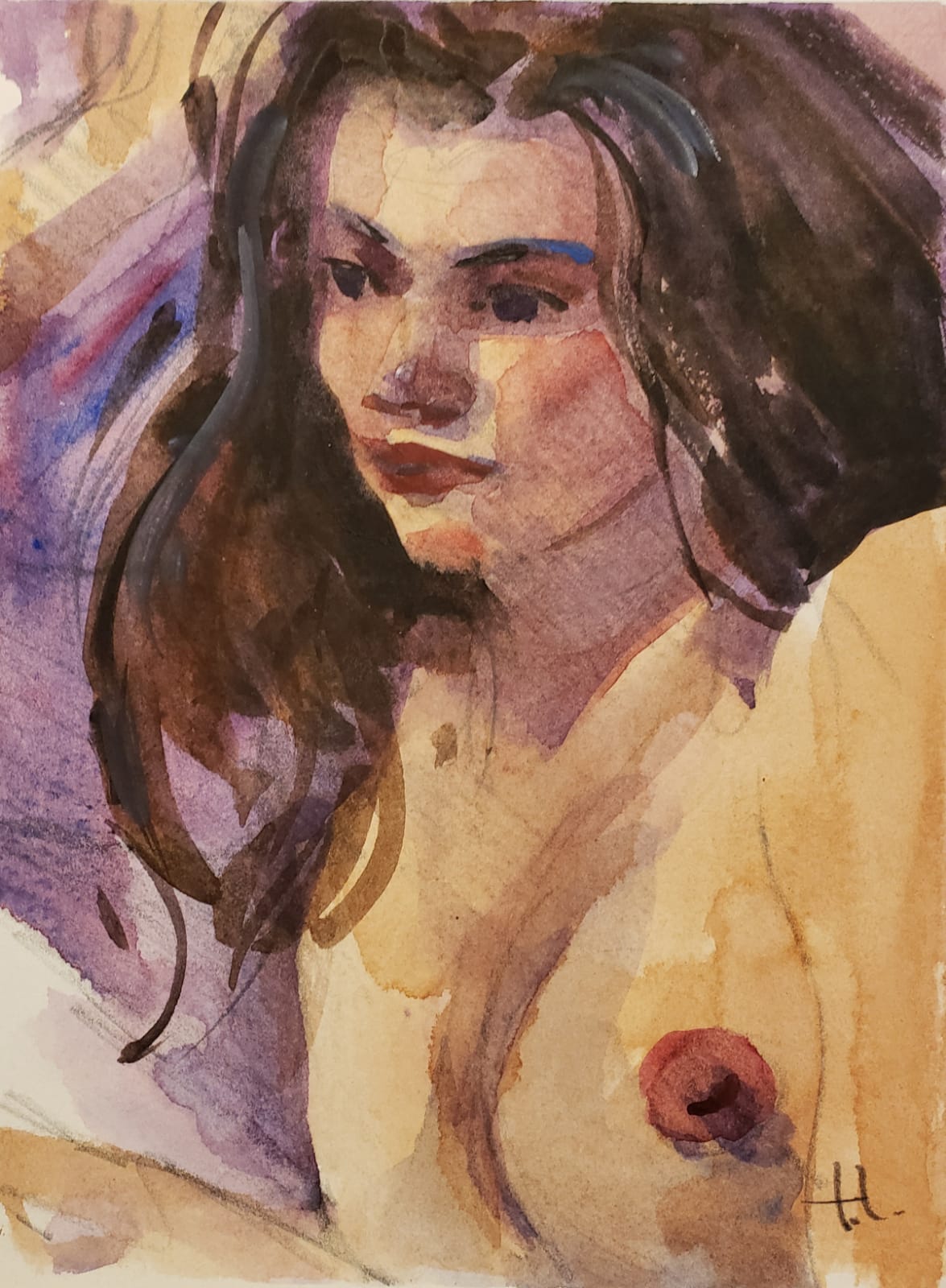
In a world where trends flicker and fade like the setting sun, true collectors find strength in their individual tastes. Embracing personal preferences over ephemeral styles leads to a collection that feels authentic and meaningful. The charm of art lies in its ability to evoke personal stories and emotions, rather than simply serving as a reflection of current fads. Each piece you choose should resonate with your essence, becoming a part of your narrative rather than a mere accessory for the wall.
When visiting galleries along Canyon Road, take a moment to step back and observe what draws you in. Instead of focusing on what’s popular, pay attention to the pieces that speak to your inner self. Is it the vibrant use of color, the intricate details, or the overarching themes that resonate? Understanding these connections can guide your selections and solidify your unique vision as a collector.
Moreover, cultivating a personal style encourages exploration beyond conventional boundaries. As you delve into different mediums and artists, you may discover unexpected affinities or inspirations that enrich your understanding of art. Each encounter deepens your appreciation for craftsmanship and creativity, making your collection an ever-evolving tapestry that reflects personal growth and exploration.
Ultimately, a well-curated collection is a celebration of what moves you. It invites not only admiration but also conversation, revealing insights into who you are. Owning your taste transforms the act of collecting from a mere transaction into a profound journey of self-discovery and connection with the art community.
If you want to see the classical approach alive in contemporary work, you can browse the paintings or explore a commission—quietly, on your own terms.
Leave a Reply