
The late afternoon sun filters through wide windows, casting a warm glow across the polished wooden floor of a modern Santa Fe home. Textured adobe walls cradle a carefully arranged space where mid-century furniture meets vibrant textiles, setting the stage for a curated experience. At the center, a large canvas shines with the rich hues of a Tony Green painting, its abstract forms inviting contemplation and dialogue. The artwork breathes life into the room, striking a perfect balance between elegance and warmth, demonstrating how a single piece can transform an environment.
In the world of art collecting, particularly in a place as culturally rich as Santa Fe, understanding the nuances of selection goes beyond mere aesthetics. It involves a journey through personal resonance and the stories embedded within each piece. To evaluate art effectively, collectors must navigate a landscape filled with visual signals, historical context, and emotional honesty, allowing their intuition to guide them while staying grounded in informed choices. This guide offers insights into mastering the art of collecting in this vibrant community, serving as a compass for those eager to embrace its artistic spirit.
As we explore these principles, consider the earlier notes that highlight the cultural tapestry of Santa Fe, guiding you through the captivating process of finding art that truly resonates with your own story.
What collecting art signals about you
When stepping into the realm of collecting art, particularly in a community as diverse as Santa Fe, the choices you make reveal much about your tastes, values, and personal narrative. A carefully selected piece can express individuality and passion, showcasing not just aesthetic preferences but also a commitment to supporting artists. Each work represents a dialogue between the artist and the collector, a shared understanding that transcends the mere act of acquisition.
Condition and provenance play pivotal roles in the evaluation process. Collectors should investigate the history of a piece—where it has been, who it has influenced, and the journey it has taken before arriving in their hands. This context not only enhances the artwork’s allure but also its value, as pieces with verifiable backgrounds often command higher respects in the market. Additionally, the scale of the work should align with the intended space, ensuring the piece can hold its own in a room while complementing its surroundings.
Moreover, genuine engagement with the artwork can determine if it continues to captivate over time. Collectors often find that the pieces that resonate most strongly are those that spark conversations, challenge perspectives, or evoke emotions. It’s essential to allow personal instinct to guide selections while remaining appreciative of the broader artistic movements that inform today’s creations. For those exploring this journey, venues like Canyon Road offer a vibrant array of styles and forms, creating an ideal atmosphere for discovering works that align with one’s unique aesthetic and emotional landscape.
Ultimately, collecting art becomes a reflection of one’s identity, embracing complexity and depth much like the mosaic of cultures that defines Santa Fe. With each piece, collectors curate their world, weaving personal stories into the fabric of their homes and lives, while contributing to the rich dialogue of the art community.
The gap between surface impressions and reality
Navigating the art scene in Santa Fe reveals layers beneath the surface that are crucial for any collector to understand. A piece that initially captivates may not always possess the depth or significance that elevates its true value. Collectors should look beyond the aesthetic appeal and consider the narrative woven into the work, including the artist’s intent and the cultural context in which it was created. Engaging with gallery owners or artists can provide insight into these narratives, illuminating the stories that help define the artwork’s place in the broader landscape.
In addition to the story behind the art, provenance plays a significant role in establishing legitimacy and value. Understanding the history of ownership and display can enhance appreciation and inform investment decisions. Resources like the Getty Provenance Project can help collectors trace the lineage of artworks, ensuring that their selections are not only alluring but also credible. This kind of due diligence enhances not just the purchase but also the joy of ownership, as each piece becomes a tangible link to its past.
Also, it’s essential to embrace the diversity of styles and mediums available. Santa Fe boasts a rich tapestry of artistic expressions, from traditional oil paintings to contemporary works. This diversity invites collectors to explore and discover pieces that resonate personally while also challenging their perspectives. Attending events or exhibitions can provide firsthand experience of this variety, allowing for connections that might not be found through online searches alone.
Pro tip: When evaluating art, consider these key factors:
- Research the artist’s background and style.
- Investigate the artwork’s provenance for added value.
- Engage with galleries and visit exhibitions for deeper insights.
Choosing in a way that still feels honest
When collecting art in Santa Fe, it is paramount to approach your selections with a sense of honesty and authenticity. This means assessing not only the visual appeal of a piece but also its deeper significance. Each artwork should resonate personally, reflecting your values, experiences, and the narrative you wish to convey within your living space. For instance, acquiring a striking painting by Tony Green may not solely hinge on its aesthetic qualities; the emotional connection it fosters is equally essential. How does the work speak to your sensibilities? What memories or aspirations does it evoke? These questions can guide collectors towards making choices that feel genuine and fulfilling.
Furthermore, honesty in art collecting involves recognizing the stories behind each piece and the intentions of its creator. In Santa Fe, where artistry thrives amidst a tapestry of cultural influences, understanding an artist’s vision provides vital context to your choices. Engaging with local galleries or attending exhibitions can deepen this understanding, as you learn about the techniques, inspirations, and themes that inform artists like Tony Green. Ultimately, the integrity of your collection will shine through when each piece not only enhances your environment but also embodies a connection to your journey as a collector, creating a space that is not just curated but profoundly personal.
How this choice reshapes the spaces you move through
Art transforms not merely a physical space but also the atmosphere within it. Each piece invites conversation and introspection, creating a tapestry of experiences that resonate with your daily life. Imagine walking into a room adorned with vibrant oil paintings that echo the rich landscapes of New Mexico; the essence of the place seeps into your environment, making it a sanctuary of creativity and inspiration. The emotional connection you cultivate with these artworks can shift your perception of space, turning an ordinary room into a personal gallery that reflects your journey.
When selecting art, consider how it interacts with existing elements in your home. The choice of colors, themes, and styles can complement or contrast with your furnishings, weaving a narrative that feels cohesive and intentional. A well-placed artwork can become a focal point, drawing the eye and sparking curiosity, while subtle pieces may enhance the ambiance without demanding attention. Art becomes a part of your daily routine, subtly shaping the way you experience each moment.
As you navigate the vibrant art scene in Santa Fe, keep in mind that the journey extends beyond acquisition. Visiting places like the O’Keeffe Museum can deepen your appreciation for the context behind the art, inspiring new ideas for your own collection. Engaging with artists and fellow collectors will not only enhance your understanding of the works themselves but also of the evolving conversation within the art community. Your choices become a living reflection of the spaces you inhabit, a dialogue between your past, present, and future.
Owning your taste instead of chasing trends
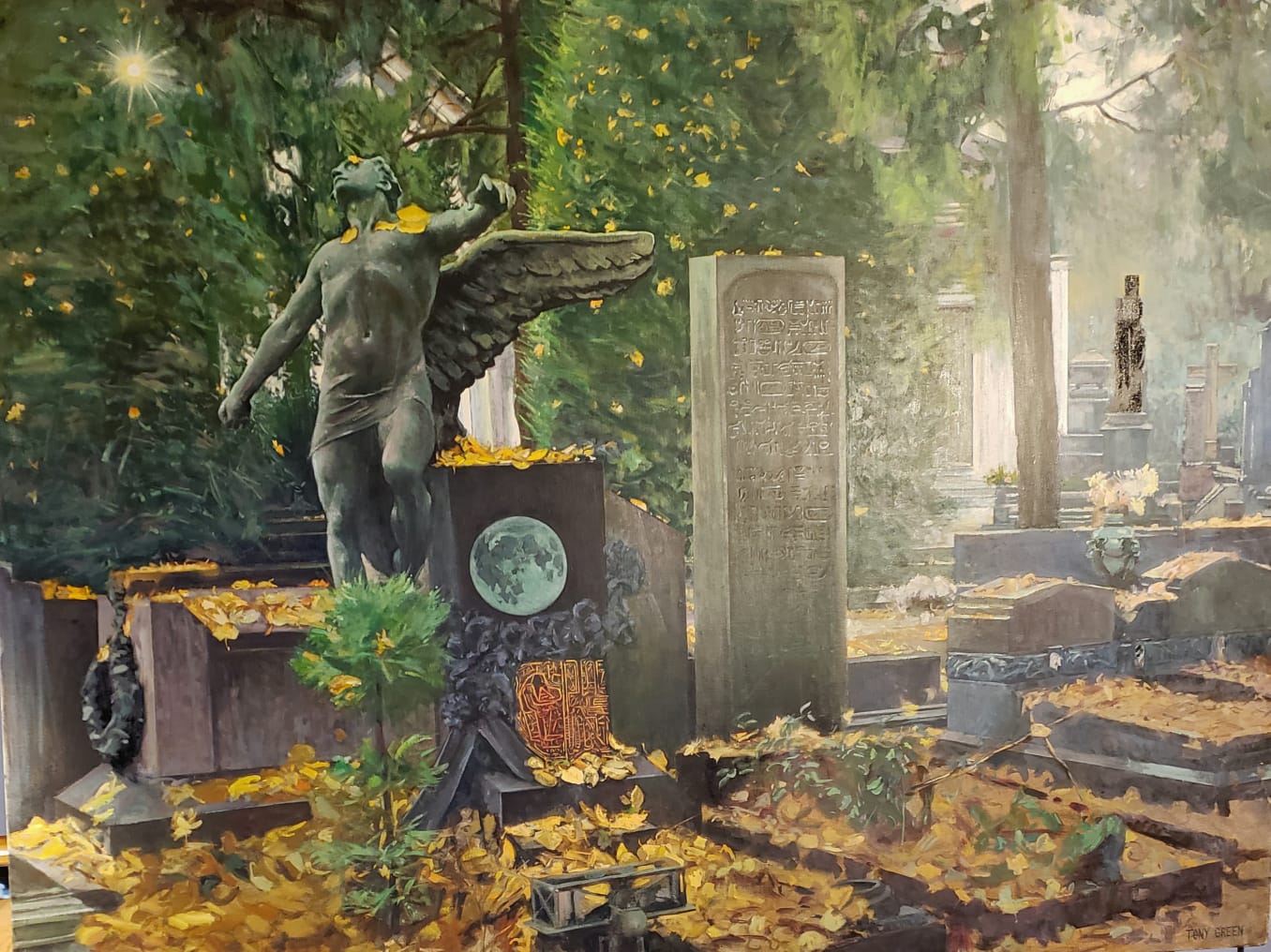
In the vibrant art scene of Santa Fe, the allure of fleeting trends can often overshadow the deeper, more personal connections that art can foster. Collectors are encouraged to embrace their unique tastes rather than simply following popular styles or the latest fashions. By focusing on what resonates personally, whether it be the work of artist Tony Green or other distinct styles, collectors can create collections that are not only visually appealing but also rich in meaning and significance.
Moreover, acquiring art that reflects one’s personal journey allows for a more intimate relationship with each piece. Each artwork becomes a narrative thread woven into the tapestry of one’s life, offering a sense of belonging and self-expression. As you curate your collection in Santa Fe, consider how each work, like those by Tony Green, aligns with your aesthetic preferences and emotional responses. This thoughtful approach to collecting art will ultimately yield a more authentic and enduring collection that stands the test of time, rather than one merely influenced by transient trends.
- Does it evoke a strong emotional response?
- How does it fit with your existing collection?
- What story does it tell about you and your journey?
If you want to see the classical approach alive in contemporary work, you can browse the paintings or explore a commission—quietly, on your own terms.
Leave a Reply