
Sunlight streams through the large windows, casting a warm, golden hue across the room’s carefully curated furnishings. The texture of the walls, a soft pastel, complements the rich wood of the furniture, creating a subtle dialogue that speaks of comfort and style. Yet, as the eye wanders, it lands on a piece of art that seems out of place—a bold, jarring canvas that disrupts the harmony, pulling attention away from the room’s carefully constructed ambiance.
Choosing art can be a delicate dance between personal taste and the desire to create a cohesive atmosphere. For those navigating the world of collecting art in Scottsdale, understanding the nuances becomes essential. This guide invites collectors to explore quiet rules and signals that help in selecting pieces that resonate with the viewer, all while remaining honest to their unique aesthetic. After all, art should enhance—never overshadow—the environment in which it resides.
For further insights on how to better appreciate this vibrant art community, consider the earlier notes that delve into Scottsdale’s rich artistic narrative.
What collecting art signals about you
Art collecting is more than just acquiring pieces for decoration; it serves as a powerful reflection of one’s identity and values. Each piece tells a story, not just of the artist but also of the collector’s journey, interests, and priorities. When selecting artworks, buyers often subconsciously reveal what resonates with their personal narratives, whether it’s a penchant for bold abstracts or serene landscapes. In the vibrant art scene, each choice becomes an extension of the self, signaling emotional depth, cultural appreciation, or a commitment to contemporary dialogue.
Attention to detail in art collecting is crucial. Originality and condition are paramount; a piece that holds up over time not only captivates the eyes but also speaks to the collector’s discerning eye. Provenance adds another layer of significance, as it traces the history of the artwork and can influence its value. Collectors in Scottsdale are encouraged to research thoroughly, ensuring that each acquisition aligns with both their aesthetic preferences and investment sensibilities. The scale of the art also plays a role in how it will be perceived within a space. A large statement piece may dominate the room, while smaller works might invite closer, more intimate engagement.
Ultimately, the goal is to select art that continues to hold one’s attention, shaping the atmosphere of the environment it inhabits. Consider exploring the local gallery scene, perhaps even visiting the iconic Canyon Road, where art becomes a shared experience and a dialogue about taste and culture. In this way, collecting art in Scottsdale transcends mere ownership, evolving into a profound expression of who we are and what we value in the world.
The gap between surface impressions and reality
For anyone considering collecting art in Scottsdale, Fall Art Walk 2026 can make the local art conversation tangible. Notice how the work handles material, scale, and intent, then carry those observations back to the quieter buyer questions of originality, provenance, and whether a piece continues to hold attention beyond its first impression.
In a city like Scottsdale, where the sun casts a warm glow on a vibrant art scene, it’s easy for collectors to get swept up in the allure of first impressions. The sleek lines of modern galleries and the vibrant colors of outdoor installations can create an enticing façade, yet it is essential to look beyond the surface. Understanding the deeper narrative behind an artist’s work, such as their influences and the cultural context that shapes their pieces, can reveal layers of meaning that enhance the overall value of a collection.
Art shows, like the upcoming a local art event, provide a unique opportunity to engage with artists and understand the stories behind their creations. These events often reveal the dynamics of the local art market, allowing buyers to connect with the community and deepen their appreciation for the craft. It is through these interactions that collectors can discern which artworks resonate personally and how they might appreciate over time.
Consideration of authenticity and provenance is crucial in making informed purchases. The story of an artwork, from its creation to its journey into your collection, can add significant value. Resources such as those provided by the Getty Provenance tool are invaluable for verifying the history of pieces and ensuring that investments are sound. Buyers in Scottsdale are encouraged to let their intuition guide them while also equipping themselves with knowledge about the art world and its nuances.
Pro tip: When evaluating art, seek to understand the narrative behind each piece.
- Engage with artists at gallery events.
- Research the provenance of artworks.
- Trust your instincts while being informed.
Choosing in a way that still feels honest
When selecting art, particularly within the vibrant landscape of collecting art in Scottsdale, the balance between personal connection and aesthetic coherence becomes critical. Artworks can evoke emotions and create dialogue within a space, serving not just as decor but as profound reflections of identity and values. Collectors are encouraged to embrace pieces that resonate deeply with their personal experiences while also considering how these selections interact with their environment. It’s essential that the art feels authentic to the collector, allowing for a genuine expression of taste. This authenticity ensures that each piece contributes to the overall atmosphere rather than detracting from it.
Moreover, engaging with the local art scene can provide invaluable context for collectors. Many are drawn to the stories behind the works—such as those of artists like Tony Green—understanding that each piece has a narrative that transcends mere aesthetics. This approach not only enriches the collector’s journey but also fosters a deeper appreciation for the art itself. By thoughtfully choosing pieces that reflect their personal journey, collectors can cultivate a collection that speaks honestly to who they are, further enhancing their space while staying true to their unique vision. In the end, the art one chooses should feel like an extension of oneself, forging a connection that is both personal and sincere.
How this choice reshapes the spaces you move through
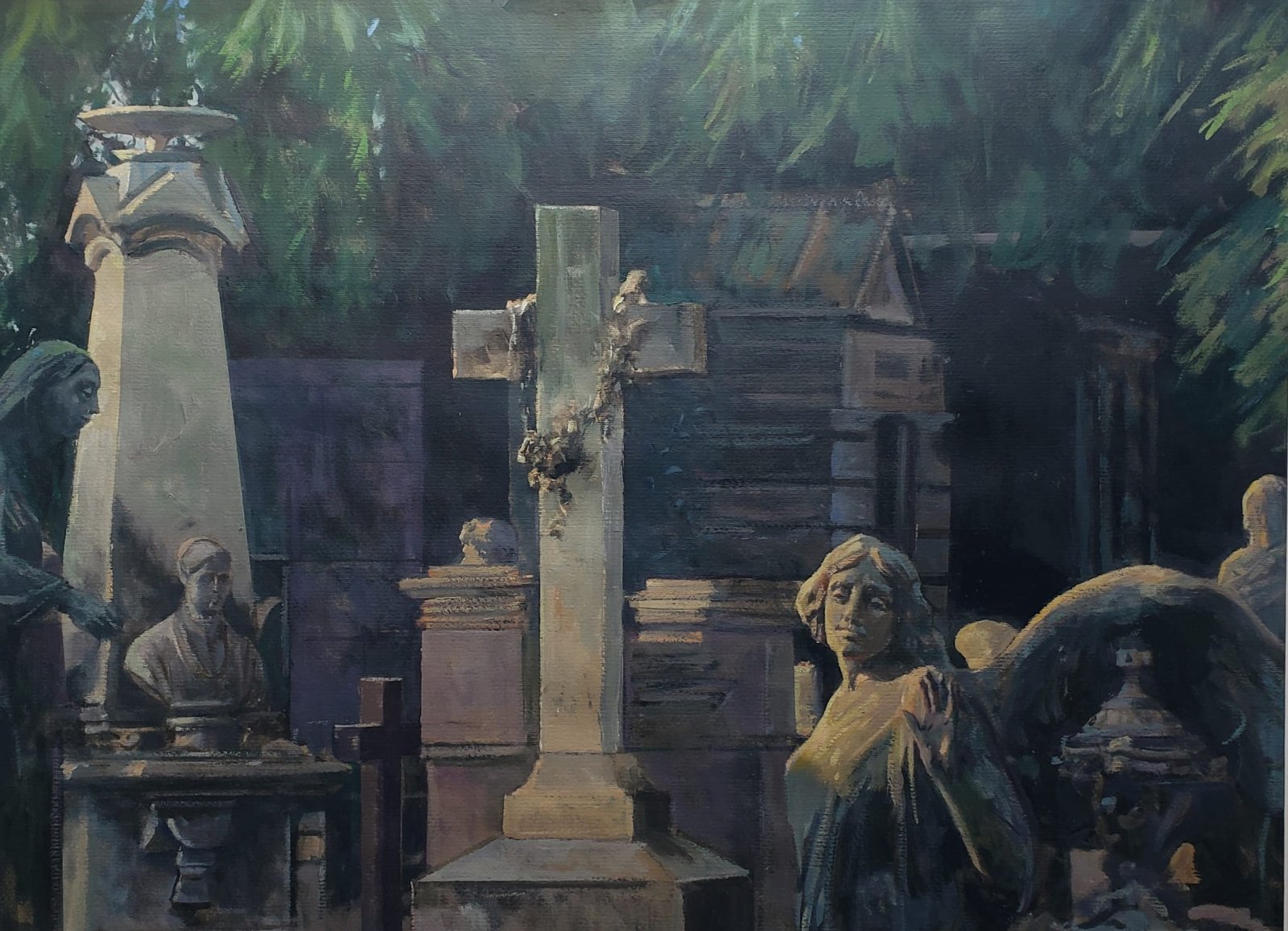
A carefully curated art collection transforms both physical and emotional landscapes, redefining how you experience the spaces around you. Take a moment to imagine stepping into a room adorned with vibrant pieces by artist Tony Green; the colors and forms not only catch the eye but invite deeper contemplation. Each artwork can serve as a conversation starter, evoking stories and memories that resonate with those who inhabit or visit the space. Art brings life to walls, making them not just surfaces but canvases for personal expression and storytelling.
When selecting pieces for your collection, consider how they fit into the narrative of your home or office. A well-placed painting can alter the mood of a room, inviting relaxation or invigorating creativity. This conscious placement invites you to interact with the art daily, creating a rhythm that enhances your life experience. You might find inspiration in Green’s work that spurs creativity in your workspace or a calming reflection in a peaceful corner at home.
Engagement with art extends beyond mere aesthetics; it shapes the interactions you have in those spaces. Imagine hosting a gathering where friends and family pause to admire a striking piece, each person adding their interpretation. They may connect through shared insights, building bonds over the stories art can tell. In this way, your collection becomes a backdrop for moments that define your life, linking personal history with the universal language of art.
As collectors in Scottsdale explore their options, attending events like those offered at the O’Keeffe Museum enhances this experience. Such gatherings not only showcase local talent but also inspire deeper connections with the art community. By integrating art into the fabric of your daily life, you create an environment that reflects not just your tastes, but also the stories that shape who you are.
Owning your taste instead of chasing trends
Art speaks in a language of personal connection, often reflecting the collector’s unique sensibilities instead of fleeting fads. As the landscape of contemporary art evolves, it’s easy to be swayed by what’s popular or trending. However, the most rewarding collections emerge from a place of authenticity and self-awareness. When engaging with pieces, let your intuition guide you toward works that resonate deeply, rather than simply seeking out what others deem fashionable. This intrinsic connection imbues your collection with meaning, transforming it into a personal narrative.
Consider how an artwork complements your emotions and experiences. A piece by artist Tony Green, for instance, might evoke memories of travels or significant life events, serving as a visual reminder of who you are. This emotional resonance is foundational; it creates an invitation for dialogue, both internally and with those who visit your spaces. Each art piece can spark conversations, drawing out stories and reflections that would otherwise remain unspoken.
When exploring the local art scene, like those showcased along Canyon Road, take time to appreciate the diversity of styles and interpretations. This openness not only broadens your understanding but also enhances your ability to select pieces that align with your personal aesthetic. Embrace the journey of discovering new artists and mediums, always with a discerning eye for what moves you, rather than what you think should move you.
- Keep a journal of artworks that resonate with you.
- Attend galleries and exhibitions to explore different perspectives.
- Engage with artists to understand their visions and inspirations.
If you want to see the classical approach alive in contemporary work, you can browse the paintings or explore a commission—quietly, on your own terms.
Leave a Reply