
Light filters softly through the sheer curtains, casting a warm glow across the room. The walls, painted in earthy tones, cradle a carefully curated selection of decor, each piece telling its own story. There’s an inviting mix of textures: a plush rug underfoot, the smooth surface of a walnut coffee table, and the gentle curve of a ceramic vase. Yet the final touch—a piece of art—remains conspicuously absent, as if the space is waiting for the right voice to uplift it, to transform it from merely comfortable to truly captivating.
In the realm of fine art buying in Santa Fe, understanding the nuances of selection can be the key to infusing your space with personality and depth. It’s not just about aesthetics; it’s about resonance and connection. What draws the eye in a gallery might not hold the same impact in your living space. As collectors seek authenticity and emotional engagement, they navigate a landscape rich with history, craftsmanship, and cultural signals. Each choice is a reflection of not only personal taste but also a dialogue with the environment.
As you step into the world of art collection, let’s explore the principles at play, drawing from earlier notes on the vibrant art scene, and discover how to approach these decisions with both confidence and curiosity.
What fine art buying signals about you
Engaging in fine art buying in Santa Fe says much about your personality and values. When you choose a piece of art, you’re not merely selecting a decoration but rather expressing a connection with the work and its creator. This connection often reflects your appreciation for creativity, depth, and the narratives embedded in the art. Collectors who seek out local art, for instance, might convey a desire to support the artistic community and embrace the unique cultural heritage that Santa Fe offers. Each selection becomes a conversation starter, revealing insights into your interests and passions.
Moreover, the specific style and theme of the artwork you gravitate towards can signal various aspects of your identity. A preference for vibrant contemporary pieces may suggest a penchant for modernity and innovation, while an inclination towards traditional landscapes might indicate a romantic connection to nature and nostalgia. In a city like Santa Fe, where art is deeply intertwined with the local culture, your choices can also reflect an awareness of the historical and social contexts that inform the works you collect. Ultimately, your fine art buying choices become a personal signature, illustrating not only your aesthetic preferences but also your broader worldview and aspirations.
The gap between surface impressions and reality
For anyone considering fine art buying in Santa Fe, Santa Fe Literary Review Annual Reading and Reception can make the local art conversation tangible. Notice how the work handles material, scale, and intent, then carry those observations back to the quieter buyer questions of originality, provenance, and whether a piece continues to hold attention beyond its first impression.
Art buying often presents a façade of glamour and ease, yet the reality can be layered and complex. For those engaging with fine art in Santa Fe, this distinction is crucial. The first glance at a piece can evoke strong emotions, tempting buyers to make impulsive decisions. However, taking a moment to delve deeper—understanding the artist’s concept, the techniques used, and the underlying themes—can reveal the true essence of the work. It’s not merely about what resonates at first sight; it’s about the narrative that unfolds with time.
Navigating the local art scene requires awareness of both the visible and invisible elements that shape a piece’s value. Beyond the immediate attraction, collectors should consider how a work interacts with its surroundings and its potential to evoke conversations. In bustling spaces like the galleries that line Canyon Road, each artwork tells a story, but buyers must be diligent in discerning which narratives align with their own. An exciting event like the local art event highlights the importance of community engagement in understanding art’s context, showcasing how literature and visual arts collide to enrich the cultural tapestry of the city.
This journey through the landscape of fine art buying emphasizes the need for patience and insight. Each layer peeled back reveals deeper meanings that can enhance one’s appreciation and connection to the piece. While the charm of Santa Fe’s art scene invites exploration, the true understanding lies in slowing down, asking questions, and ultimately discovering what resonates on a more profound level.
Pro tip: Before making a purchase, consider these steps:
- Research the artist’s background and style.
- Visualize the artwork in your intended space.
- Engage with local galleries and attend related events for deeper insights.
Choosing in a way that still feels honest
Choosing in a way that still feels honest becomes useful when it is treated as a decision rather than a mood. For a buyer considering fine art buying in Santa Fe, the practical test is to identify what in the work is carrying the response: composition, material, scale, surface, or the relationship among them. Name that visual evidence before asking what the work costs or how persuasively it has been presented.
In Santa Fe, compare that first response with ownership details that can be checked: medium and dimensions, condition, provenance, framing, and written sale terms. Then step away and return to the same question. If the visual case remains clear after the story and the pressure have faded, the choice is more likely to reflect durable judgment instead of borrowed enthusiasm.
Engagement with the local art community can also shed light on one’s choices. Visiting spaces like Canyon Road or attending workshops and talks allows potential buyers to immerse themselves in the conversations that surround each piece. This dialogue fosters understanding and equips collectors with insights that elevate their experience beyond simple transactions. Such involvement cultivates a richer connection, transforming the act of buying art into a journey of discovery.
How this choice reshapes the spaces you move through
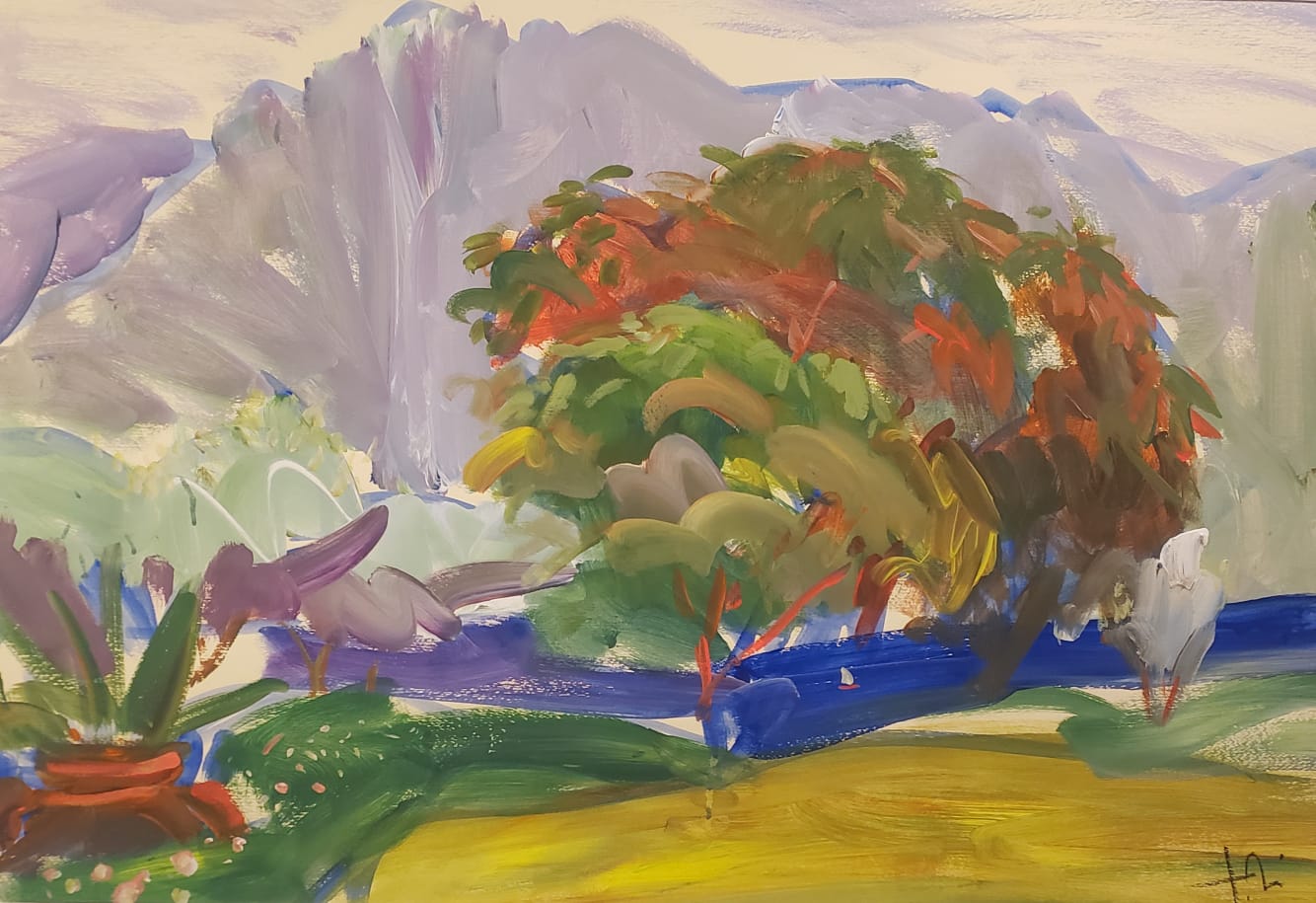
Choosing art is not merely about acquiring a piece to adorn your walls; it’s about infusing your personal environment with intention and character. Each artwork you select influences the atmosphere of your home, shaping how you and your guests perceive the space. A vibrant piece can energize a room, while a more subdued work may invite contemplation and tranquility. Consider how Tony Green’s dynamic compositions could transform an otherwise ordinary space into a sanctuary of inspiration.
Each piece serves as a conversation starter, weaving narratives into the fabric of your daily life. When friends or family visit, the art invites them to engage with its story, prompting discussions that enrich shared experiences. This interaction goes beyond aesthetics; it creates a tapestry of memories tied to the moments spent in its presence. A thoughtful selection resonates not just with you but fosters connections with those who enter your space.
Moreover, the choice of art can reflect your journey through Santa Fe’s vibrant cultural landscape. By incorporating pieces that resonate with the local aesthetic, you cultivate a sense of belonging and appreciation for the community that inspired them. This choice is more than personal; it becomes an expression of the shared values and history that define the area. For those looking to explore the intricacies of art in context, the O’Keeffe Museum offers an insightful glimpse into how local artists interpret their surroundings, further enhancing your understanding of your chosen pieces.
Owning your taste instead of chasing trends
The allure of trends can be tempting, especially in a place like Santa Fe where art is often influenced by the latest movements. Yet, true enrichment comes from understanding and embracing your unique preferences rather than aligning with what’s currently popular. Each piece you choose should resonate on a personal level, reflecting your emotions and experiences rather than fleeting fashions. This authenticity is what transforms a house into a home, allowing art to play a vital role in your environment.
If you want to see the classical approach alive in contemporary work, you can browse the paintings or explore a commission—quietly, on your own terms.
Leave a Reply