
Sunlight filters through the large gallery windows, casting gentle shadows on the textured surfaces of vibrant paintings. Each stroke tells a story, the colors shimmering with the heat of the desert outside. As you step deeper into the space, the air hums with quiet anticipation; the scent of fresh paint mingles with that of polished wood, inviting a visceral connection to the art surrounding you. You pause, drawn in by an abstract piece that seems to pulse with life, and in that moment, you realize that the experience is more than visual—it’s about resonance.
In the world of fine art buying in Scottsdale, the process transcends mere aesthetics. It’s a journey governed by intuition and understanding, where personal standards shape your decisions. The conversation around art is not just about what you see, but about what it signifies, how it speaks to your values, and the narratives it weaves into your life. Buyers often overlook the subtleties—the artist’s intent, the history behind a piece, or how it fits into the local tapestry of culture and creativity. Navigating these quiet rules allows for more profound choices that resonate long after the purchase is made.
This guide will illuminate the intricacies of collecting art, drawing from earlier notes on mastering the art of buying in Scottsdale, ensuring your experience is both enriching and meaningful.
What fine art buying signals about you
Engaging with fine art is a reflection of personal values and aesthetic sensibilities. When buyers consider the pieces that resonate with them, they are often selecting artworks that echo their identity, aspirations, and experiences. In Scottsdale’s vibrant art scene, where the desert’s beauty inspires creativity, discerning collectors pay attention to originality and the stories behind each piece. Art can signal a collector’s support for emerging talent or their appreciation for established names, conveying both taste and intent.
The condition of a work plays a vital role in its significance and longevity. Buyers should feel empowered to inquire about how a piece has been maintained and what care it requires moving forward. Understanding provenance adds another layer, revealing the artwork’s journey and past ownership, which can enhance its value and meaning. Just as visiting a gallery can spark inspiration, knowing the background of a piece fosters a deeper connection, enabling buyers to appreciate their acquisitions fully.
Scale is equally crucial; the size and presence of a piece can transform a space, drawing attention and eliciting emotion. It’s not just about how it looks on the wall but how it interacts with the surroundings. Buyers contemplating their art choices in Scottsdale should visualize these works within their own environments, ensuring that they hold attention and create dialogue. Ultimately, the best pieces are those that endure the test of time—both in quality and in the emotions they evoke, making the art-buying journey not just a transaction, but a meaningful investment in personal expression.
Exploring events like the [Canyon Road Arts](https://www.canyonroadarts.com/) showcases how art evolves within community contexts, further enriching the storytelling behind each acquisition.
The gap between surface impressions and reality
Art’s surface can be captivating, drawing buyers in with vibrant colors and striking compositions. Yet, beneath that glossy exterior often lies a narrative filled with complexities that can impact value and appreciation. Understanding the story behind the artwork involves digging deeper than the initial visual appeal, revealing the intentions and techniques employed by the artist. This journey into the artwork’s essence can transform a buyer’s emotional connection, allowing them to engage with it on a more profound level.
Collectors navigating the vibrant art scene in Scottsdale may find it easy to get lost in the aesthetic allure of contemporary pieces. However, seasoned buyers know the importance of engaging with artists and galleries to uncover the context surrounding each work. Conversations about inspiration, process, and the artist’s philosophy can illuminate facets of the piece that may not be immediately obvious, facilitating a richer understanding. The distinction between a mere decoration and a meaningful investment often hinges on this knowledge.
Additionally, trends can sometimes overshadow individual narratives. While it’s tempting to follow the latest buzz in the art world, true appreciation stems from personal resonance with an artwork. Buyers should ask themselves what draws them to specific pieces and how these choices reflect their tastes and values. Scouting for original works that resonate personally rather than simply aligning with current trends may lead to discovering unique treasures that stand the test of time, both aesthetically and emotionally.
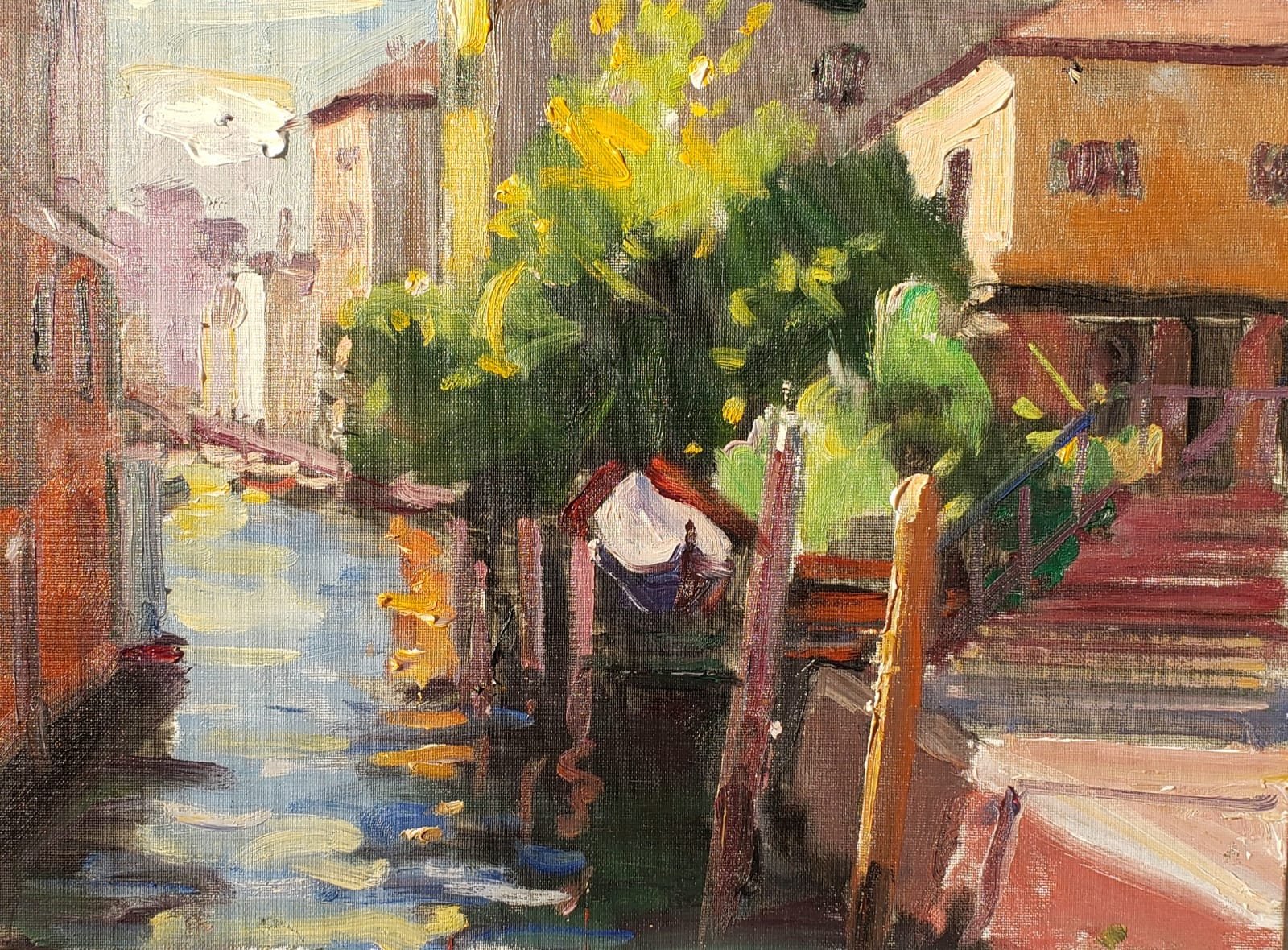
Choosing in a way that still feels honest
In the rich tapestry of Scottsdale’s art landscape, discerning buyers often seek a deeper narrative behind each piece they consider. It’s beneficial to approach this decision-making process with intention, understanding that art reflects not only the creator’s vision but also the cultural and emotional fabric of a community. Engaging with galleries, attending openings, and participating in discussions can provide insight into the stories that breathe life into each artwork, fostering a connection that goes beyond surface appeal.
When contemplating a purchase, it’s crucial to embrace authenticity. This means prioritizing pieces that resonate personally, rather than succumbing to the allure of flashy trends. As art enthusiasts explore various styles and mediums, they should remember that the best selections often emerge from genuine connections with the work. Whether it’s a vibrant abstract painting or a serene landscape, the emotional response elicited by the piece should guide the conversation around its place in their collection.
Those who immerse themselves in the local art scene may find inspiration that aligns with their values. For instance, art fairs or community exhibitions often showcase emerging talents and innovative concepts, allowing buyers to discover pieces that not only enhance their spaces but also reflect their personality. The opportunity to interact with artists during such events can reveal the philosophies that inform their creations, further enriching the buyer’s appreciation. Events like the Canyon Road showcase remind us that art is a living dialogue, one that shifts with each viewer’s perspective.
Ultimately, the journey of acquiring art in Scottsdale transcends mere transactions. It’s an exploration of identity, culture, and expression. By choosing works that resonate on a personal level, buyers can cultivate a collection that is not only visually appealing but also imbued with meaning, creating a lasting legacy in their homes and lives.
How this choice reshapes the spaces you move through
Each artwork selected for a collection not only serves as a decorative element but transforms the very atmosphere of a home or office. Pieces that resonate personally can infuse spaces with a sense of warmth and character, creating environments that inspire creativity and foster dialogue. For instance, a bold sculpture in a corner or a tranquil landscape hanging in a hallway can influence mood, prompting admiration or introspection for anyone who enters. In a city like Scottsdale, where art is interwoven with the local culture, these choices reflect a lifestyle deeply engaged with aesthetic appreciation.
Artworks also tell stories, both about the artists’ journeys and the cultural contexts from which they emerge. Buyers might discover that a piece inspired by local landscapes captures not just an image but a narrative thread that connects the viewer to the place itself. As collectors in Scottsdale delve into the works of artists like Tony Green, they unearth a rich tapestry of experiences that resonate beyond the canvas. Each choice thus becomes a dialogue between the art and the observer, shaping how spaces are experienced on a daily basis.
For those navigating the fine art scene, understanding the provenance of pieces can also add depth to their choices. Knowing the history behind a work enhances its significance and enriches the relationship between the artwork and the collector. Resources such as the Getty Provenance project can help buyers trace the lineage of important works, ensuring that their selections are both meaningful and authentic.
Pro tip: Engage with artists and galleries to deepen your understanding of the art you consider for purchase.
- Ask questions about the artist’s inspiration.
- Consider how each piece complements your existing decor.
- Look for opportunities to attend local exhibitions for firsthand experiences.
Owning your taste instead of chasing trends
In the realm of fine art buying in Scottsdale, the journey should prioritize personal taste over fleeting trends. Collectors are encouraged to embrace what resonates with them on an emotional level rather than succumbing to the pressure of popular opinion. The art world is often swayed by trends that can overshadow the unique narratives and intentions behind individual pieces. When a collector chooses to follow their own instincts, they engage with art that not only complements their aesthetic sensibilities but also enriches their personal space with meaning and depth.
Moreover, owning one’s taste empowers collectors to cultivate a collection that genuinely reflects their values and experiences. This approach fosters a deeper connection with the artworks, creating a collection that serves as a true expression of identity rather than a mere reflection of the current market. In Scottsdale’s vibrant art scene, this authenticity can lead to discovering works that might not yet be recognized by the mainstream, providing an opportunity to support emerging voices and narratives within the artistic community. Ultimately, the goal should be to build a collection that tells a story unique to the collector, paving the way for a lifetime of appreciation and connection with the pieces they choose to bring into their lives.
If you want to see the classical approach alive in contemporary work, you can browse the paintings or explore a commission—quietly, on your own terms.
Leave a Reply