
Warm light filters through the expansive windows of a Scottsdale gallery, illuminating the rich textures and vibrant colors on the walls. Each piece seems to hum with a life of its own, the brushstrokes and materials inviting closer inspection. Art enthusiasts drift between the canvases, their quiet conversations punctuating the air, as a collector pauses, her fingers lightly grazing the edge of a sculpture, contemplating what it means to her. The atmosphere is charged with possibility, where each artwork holds a story waiting to unfold, and where buyers can find themselves both mesmerized and challenged.
Understanding value in art isn’t merely about aesthetics; it’s a subtle dance of perception, emotional resonance, and personal standards. Factors like the artist’s vision, the provenance of the piece, and the broader cultural context in which it exists all weave into this intricate tapestry. To navigate this landscape effectively, buyers need to tune into the quiet signals that speak to authenticity and significance. Honesty becomes a vital touchstone, guiding decisions away from impulse and toward a deeper appreciation of what the artwork represents.
As you prepare to explore the nuances of value in art, consider these elements while remembering the earlier notes that may shed light on your journey. Each decision can open a new door, inviting you further into the world of artistic expression and personal discovery.
What assess value in art signals about you
When contemplating the value of a piece, it reflects more than just a price tag; it offers insight into your standards and taste. Buyers in Scottsdale often consider originality, a cherished attribute that signifies personal expression and the artist’s unique voice. Engaging with a piece that resonates with you can reveal your values and aspirations, while also providing a sense of connection to the broader art community. As you assess value in art in Scottsdale, ask yourself what qualities truly matter to you and how they align with the artwork at hand.
Furthermore, the condition of an artwork plays a crucial role in establishing its worth. A meticulously maintained piece conveys a level of respect for the artist’s work and the collector’s intent. Similarly, provenance, or the history of ownership, not only adds to a piece’s story but can also impact its market value. Being aware of these factors enhances your ability to make informed choices and ensures that your investment holds enduring significance.
Scale is another consideration that can either elevate or diminish an artwork’s impact in your space. The right size can transform a room, making a bold statement or creating an intimate atmosphere. As you make decisions, visualize how the piece will interact with its surroundings. Does it demand attention, or does it invite a quieter appreciation? This evaluation can guide you closer to the art that truly speaks to you.
Pro tip: Always conduct thorough research before a purchase.
- Understand the artist’s background and body of work.
- Verify the piece’s condition and provenance.
- Consider how the artwork will fit into your environment.
The gap between surface impressions and reality
For anyone considering how to assess value in art in Scottsdale, 2026 Fall Larsen Art Auction can make the local art conversation tangible. Notice how the work handles material, scale, and intent, then carry those observations back to the quieter buyer questions of originality, provenance, and whether a piece continues to hold attention beyond its first impression.
At first glance, an artwork’s surface may captivate you, but behind that initial allure lies a deeper narrative waiting to be explored. The technique, the materials used, and even the artist’s intentions can radically shift your understanding of a piece. While a vibrant landscape or an abstract composition may evoke powerful emotions, delving into the layers of meaning enriches your appreciation and enhances your ability to assess value in art in Scottsdale. It’s the subtle intricacies that often differentiate a remarkable piece from a mere decoration.
Collectors often find themselves torn between emotional responses and calculated investments. Art fairs, like the local art event, present opportunities not only to acquire pieces but to engage with the broader narrative of the art market. Buyers need to balance personal taste with the fluctuating trends and values in the industry. Understanding these dynamics can empower you to make decisions that resonate with your aesthetic values while also considering the potential for future value appreciation.
Furthermore, context plays a significant role in how art is perceived. The surrounding environment, cultural influences, and even the physical location of a piece can affect its value. In a city like Scottsdale, where the art scene is vibrant and diverse, knowing how local tastes shape value perceptions is crucial. Engaging with galleries or contemporary exhibitions can provide insights into prevailing trends, helping you refine your approach as you navigate your art-buying journey.
Choosing in a way that still feels honest
When assessing value in art in Scottsdale, it’s essential to embrace a selection process that aligns with your personal values and aesthetic preferences. This means not only considering the monetary worth of a piece but also reflecting on how it resonates with you. Authenticity in art is often linked to the emotional connection one feels towards a work. This can be fostered through thoughtful deliberation, allowing you to choose pieces that genuinely speak to your identity rather than succumbing to transient trends. A work that elicits a strong emotional response may hold greater personal value than a piece that is merely fashionable.
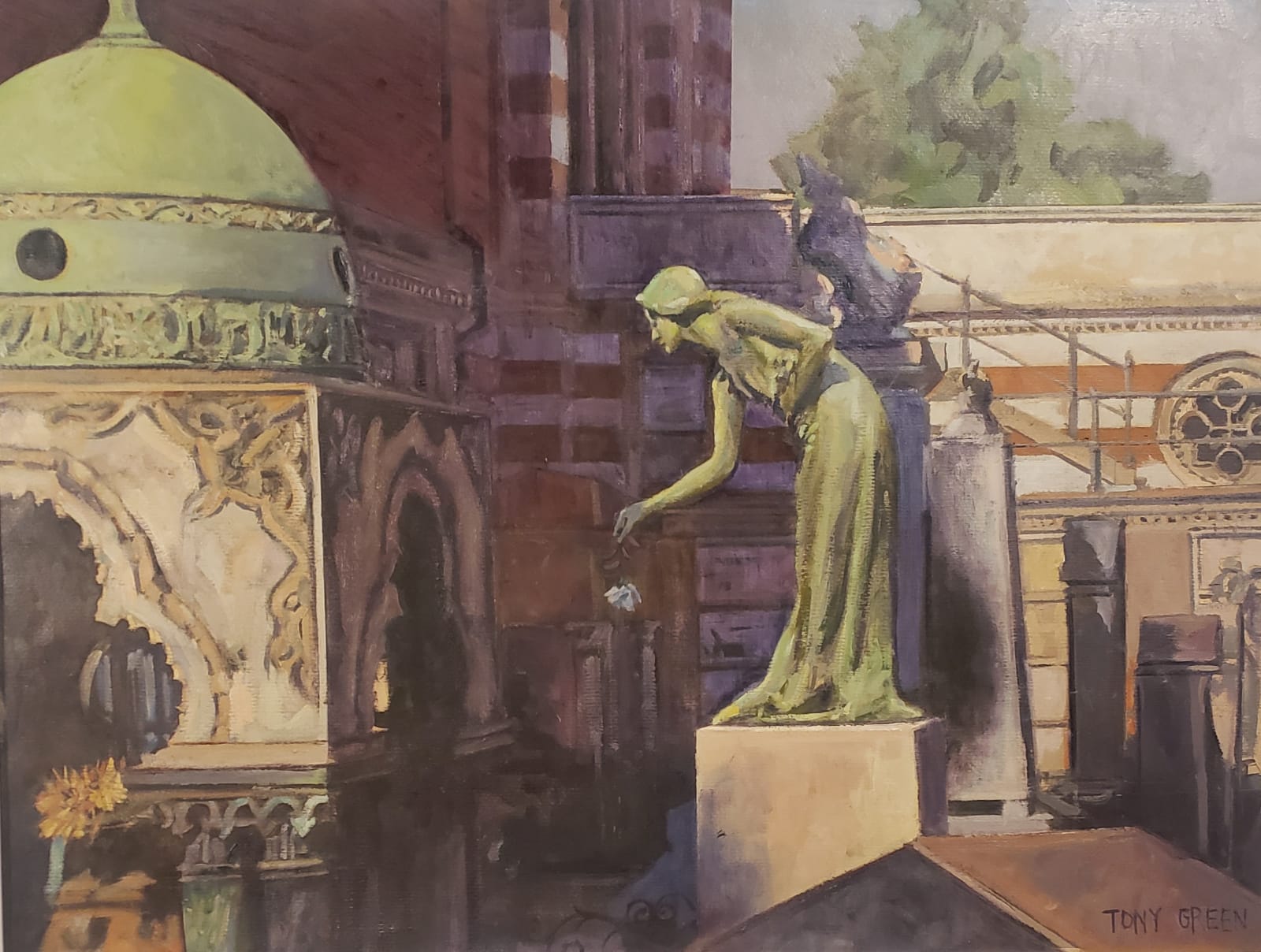
Moreover, as you navigate the Scottsdale art market, understanding the narrative behind each artwork and the artist’s intent can enhance your appreciation and connection to the piece. For instance, when considering the works of artists like Tony Green, it’s important to engage with the themes and emotions that his work evokes. By prioritizing honest engagement over superficial attraction, you can build a collection that reflects both your personal story and visual taste. This not only enriches your experience as a collector but also fosters a deeper relationship with the artworks you choose to bring into your space.
Another key aspect is provenance, which is the history of ownership of a piece of art. Knowing who has owned a particular work can add layers of value and significance. Engaging with resources, such as the Getty Provenance database, allows you to explore the journey of a piece, adding depth to your understanding and potentially increasing its worth. As you delve into these narratives, remember that each artwork is more than just an object; it’s a reflection of culture, history, and personal expression.
How this choice reshapes the spaces you move through
Art has a unique capacity to transform environments, making a home or office feel alive with meaning and narrative. When selecting a piece, consider how it will interact with the surrounding space, influencing both aesthetics and atmosphere. Imagine a bold canvas hanging in your living room, sparking conversation and evoking emotions every time you glance at it. Each stroke and color can add depth to mundane moments, turning everyday experiences into something extraordinary.
The journey to find the right artwork can also lead you into new realms of creativity. By exploring various styles and artists, you may discover elements that resonate with your personal taste, ultimately influencing your own approach to art, design, and even lifestyle. Engaging with the work of artists like Tony Green can inspire you to think differently about the spaces you inhabit, encouraging a more curated and intentional living environment.
As you contemplate your choices, don’t overlook the potential for art to serve as a catalyst for deeper connections—both between individuals and within communities. Art can invite conversations about shared experiences, cultural reflections, or even provoke thoughtful debates on contemporary issues. A carefully chosen piece might hold the power to bring family and friends together, creating a sense of shared history and understanding that enriches the lives of those who encounter it.
Owning your taste instead of chasing trends
In the vibrant tapestry of the art world, trends can often feel like quicksilver, shifting and changing before you can fully appreciate their essence. Instead of becoming a follower of fleeting styles, consider developing a deeper understanding of your own aesthetic preferences. What speaks to you? What stories do you want your art to tell? Reflecting on these questions can guide your choices, steering you toward pieces that resonate with your unique identity. When you curate your collection based on personal taste rather than the latest craze, each piece becomes a part of your narrative, woven into the fabric of your life.
If you want to see the classical approach alive in contemporary work, you can browse the paintings or explore a commission—quietly, on your own terms.
Leave a Reply