
Sunlight filters through large windows, casting a warm glow across a spacious gallery filled with vibrant canvases and intricate sculptures. Each piece seems to tell its own story, inviting visitors to lean in closer, to grasp the nuances in color and texture. The air is rich with the scent of fresh paint and polished wood, while soft murmurs of conversation weave together a tapestry of excitement and contemplation. Here, art feels alive, poised between the aesthetic allure and the weight of its underlying value.
Yet, as enticing as the visual experience is, assessing value in art in Scottsdale demands a deeper engagement. It requires understanding the quiet rules that govern worth — the artist’s intent, the history of the piece, and the cultural signals that resonate with local buyers. Honesty in both personal taste and financial investment plays a pivotal role as collectors navigate this intricate landscape. In the end, embracing this complexity elevates the experience, turning a mere transaction into a meaningful acquisition.
As we delve into the nuances of art valuation, consider the earlier notes on how to approach this journey with an informed perspective and a discerning eye.
What assess value in art signals about you
When collectors ponder the value of a piece, they are often inadvertently reflecting their own tastes, aspirations, and personal narratives. Art can signify status, a commitment to cultural enrichment, or even an emotional connection to a particular theme or style. Buyers in Scottsdale might seek works that resonate with the vibrant desert landscape or mirror the contemporary flair of the city, showcasing their identity through their selections. The value of art, therefore, is not solely a monetary calculation; it also encompasses the story it tells about the owner.
The condition and originality of a piece play crucial roles in its valuation. An artwork that shows signs of wear may suggest a rich history, but if damaged, it could detract from its market value and emotional impact. Conversely, an original piece that captivates the eye may hold greater appeal, particularly if it aligns with current trends or timeless aesthetics. As you navigate these decisions in Scottsdale, consider whether the work can spark conversation or evoke a strong reaction—this connection often elevates its worth in the eyes of both the buyer and the market.
Provenance further enriches the narrative and can significantly influence value. Understanding the history of an artwork—the previous owners, exhibitions, and the artist’s journey—forms a deeper context that collectors appreciate. Buyers should delve into available research, perhaps referencing resources like the Getty Provenance, to unearth the layers behind each piece they consider. This knowledge not only enhances their appreciation but also strengthens their position in negotiations, as a well-informed buyer is often viewed as a serious one.
Finally, scale and placement should not be overlooked in the conversation about value. The dimensions of a work and how it interacts with its surroundings can impact both its aesthetic appeal and its market price. An oversized canvas might transform a living space, while a smaller piece could offer intimate charm. In Scottsdale, where art often becomes part of the lifestyle, thoughtful consideration of these elements signals a discerning approach to collecting, highlighting one’s sophistication as an art connoisseur.
The gap between surface impressions and reality
When evaluating art, first impressions can be seductive, but the true value often lies beneath the surface. A vibrant color palette or striking form can initially captivate potential buyers in Scottsdale; however, it’s essential to look beyond aesthetic appeal. The emotional resonance of a piece, the story it tells, and its alignment with current trends in the art world all contribute to its underlying worth. Engaging with a knowledgeable gallery owner or an art consultant can provide critical insights, helping buyers discern the difference between trend-driven purchases and timeless investments.
Scottsdale’s art scene is vibrant, yet it can create a mirage that leads buyers to believe certain styles or artists will always hold value. This perception can shift rapidly based on market dynamics. Even artworks that initially soar in popularity can falter, leaving collectors questioning their choices. To mitigate this risk, deepening one’s understanding of artistic movements, market history, and artist backgrounds is crucial. Art events, like the Fall Art Walk 2026, offer opportunities to connect with works and artists, enabling buyers to witness firsthand how pieces resonate within the local context.
Another key factor in assessing value involves regional tastes. Scottsdale’s art collectors often gravitate towards pieces that complement the city’s distinctive lifestyle—works that capture the essence of the desert landscapes or reflect the modern architectural lines prevalent in local residences. Understanding these preferences can aid buyers in making informed choices that not only satisfy their personal aesthetic but also enhance investment potential. Ultimately, it’s about aligning passion with a strategic approach, marrying emotional investment with market insight.
Choosing in a way that still feels honest
When collectors in Scottsdale set out to choose art that resonates with their personal aesthetic, it is essential to maintain a balance between emotional connection and market awareness. The challenge lies in selecting pieces that not only evoke joy and satisfaction but also align with one’s own values regarding investment. This involves researching the artist’s background, understanding the significance of the work, and assessing how it fits within personal and market trends. The emotional response to a piece should not be discounted; rather, it should be the foundation upon which an informed decision is made.
Moreover, authenticity plays a crucial role in this selection process. As a collector, being honest with oneself about what truly resonates can lead to a more fulfilling collection. This means embracing the complexities of taste, including the cultural narratives that accompany certain art forms. Engaging with various styles and artists, while remaining open to the dialogue they inspire, allows for a more enriched understanding of value in the context of the Scottsdale art scene. Therefore, the act of choosing art should be a reflective journey that honors both personal sentiment and thoughtful consideration of long-term value.
A key consideration is the provenance of the art. The history behind a work—where it’s been, who has owned it, and its journey through the art world—shapes its narrative and can greatly impact its market value. Buyers who take the time to research an artist’s background or the context of a specific piece often find richer stories, which can offer both aesthetic and investment rewards. Resources like the Getty Provenance tool can be invaluable here, allowing for deeper insights into a work’s credentials.
A 90-second checklist for serious buyers
Before diving into the art market, consider your budget. Establishing a clear financial limit will help you focus your search and avoid impulsive decisions. Remember, this is not just about the initial purchase price but also potential future costs like care, insurance, or resale expenses. Serious buyers in Scottsdale often seek works that not only resonate personally but also align with market trends, ensuring that their collections appreciate over time.
Next, evaluate the condition and authenticity of each piece. Look for any signs of wear or damage that could affect its value. Artworks in their original condition are typically more sought after, and understanding an artist’s techniques can also guide you in assessing quality. Joining local events or exhibitions can provide firsthand opportunities to learn about these aspects, allowing collectors to ask questions directly.
Finally, engage with the community. Whether through gallery receptions, art fairs, or online platforms, connecting with fellow collectors and experts cultivates a network of insights and resources. The vibrant art scene in Scottsdale is rich with stories and knowledge waiting to be shared. Utilizing resources such as those found on Canyon Road can further enhance your understanding of the local landscape.
How this choice reshapes the spaces you move through
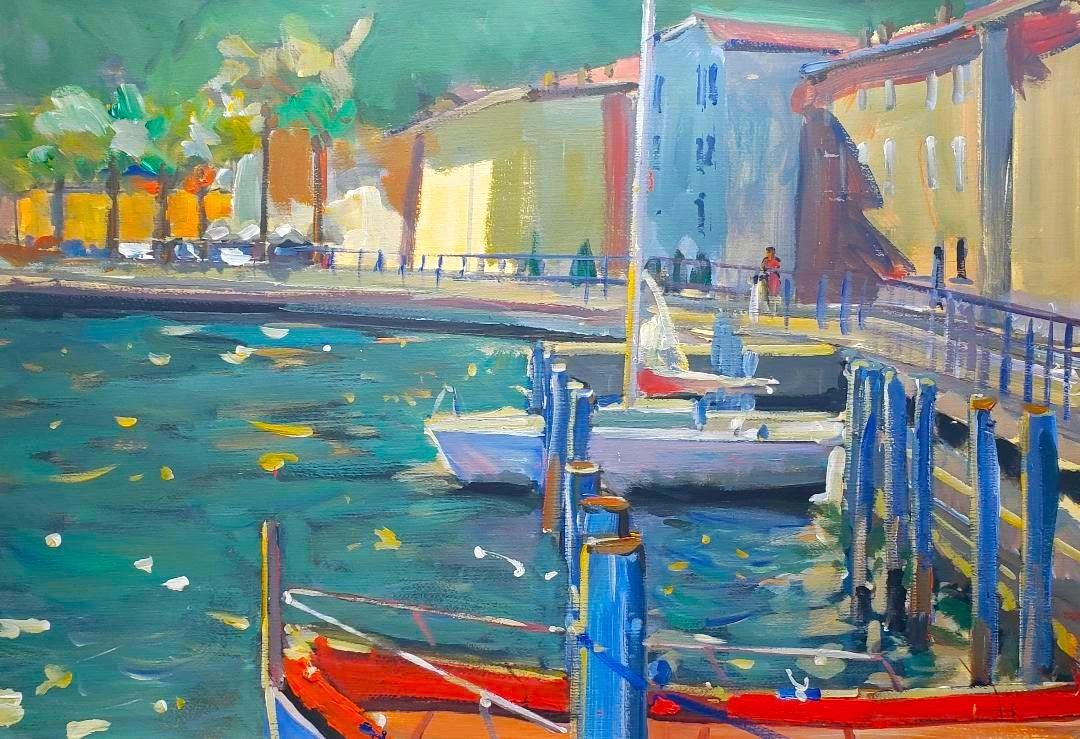
Art has a profound ability to transform not only personal spaces but also the environment you inhabit. When selecting pieces that resonate with your aesthetic and values, you inadvertently craft a narrative that others can engage with. Imagine walking into a room adorned with vibrant works that spark conversations or evoke emotions; each piece serves as a reflection of personal taste and the broader cultural context of art in Scottsdale. It’s more than decoration; it’s an invitation to explore and connect.
Owning your taste instead of chasing trends
In the art market of Scottsdale, where new styles and themes can frequently dominate conversations, it is essential for collectors to focus on developing their unique taste rather than merely following trends. Each piece of art carries its own story and emotion, which resonates differently with individuals. By cultivating a personal connection to art, collectors can build a meaningful collection that reflects their identity, aspirations, and experiences rather than a fleeting trend. This deeper engagement not only enhances the joy of collecting but can also lead to better investment decisions in the long run.
To truly own your taste, consider stepping beyond the confines of popular or trending pieces. Engage with various local galleries, attend exhibitions, and interact with artists like Tony Green, whose work may inspire your appreciation for specific styles or techniques. By prioritizing your emotional responses to different works, you will cultivate a collection that is not only personally significant but also potentially more valuable, as these pieces can transcend current fads and speak to broader themes that resonate with future buyers in the Scottsdale art market.
- Explore various art styles to discover what speaks to you.
- Engage with artists and galleries to learn about their processes.
- Prioritize emotional connection over market trends.
If you want to see the classical approach alive in contemporary work, you can browse the paintings or explore a commission—quietly, on your own terms.
Leave a Reply