
The gallery is awash in warm, inviting light that spills through expansive windows, illuminating the rich textures of canvas and sculpture. Every corner holds the potential for connection—a vibrant painting bursting with color, a quiet bronze figure that seems to breathe. It’s a space where time slows, and the air is thick with stories waiting to be uncovered, inviting collectors to pause and reflect on what moves them. As visitors wander through, they aren’t just absorbing visuals; they’re unwittingly engaging with a deeper dialogue about value, intent, and the stories that art tells.
Assessing value in art in Scottsdale goes beyond mere aesthetics; it’s about understanding the quiet rules and signals that whisper truths about each piece. What drives the price? What emotions does it evoke? The canvas might capture a fleeting moment, but the true worth often lies in the narrative woven into its creation, the artist’s intent, and even the resonance it holds with the buyer. Honesty plays a crucial role here—both from the artist and within oneself as a collector. It’s about curating a collection that not only adorns your space but reflects your standards and aspirations.
As we explore this intricate dance of values and perceptions, our earlier notes on the Scottsdale art scene provide a valuable context for understanding what makes a piece truly resonate in this vibrant marketplace.
What assess value in art signals about you
Choosing the right artwork often reflects deeper facets of personal identity and taste. When exploring how to assess value in art in Scottsdale, it’s essential to consider not just the aesthetics but what the piece signifies about you as a collector. Originality, condition, and the story behind the piece all contribute to its standing in the art community. A piece that captivates your attention likely aligns with your values, whether it’s embracing avant-garde innovation or celebrating classical techniques.
Understanding provenance can also heighten your appreciation of a work’s significance, adding layers to its narrative. Each artwork carries its history, and knowing where it has been can enhance its allure. Buyers should be attuned to how the history of a piece intersects with their own lived experiences and aspirations. A strong provenance indicates that the work has been respected in its journey, making it a more engaging choice for any collector looking to build a meaningful collection.
The scale of a piece plays a significant role as well; choosing the right size can elevate or diminish a space. Whether it’s a large statement piece that commands attention or a smaller work that invites intimate contemplation, size interacts with the emotional response of the viewer. A well-proportioned piece that harmonizes with its environment strengthens its presence and value in your collection, echoing your eye for design and balance.
Ultimately, assessing value goes beyond the price tag—it encompasses a collector’s vision and standards. The right artwork should resonate on multiple levels and continue to provoke thought and conversation long after its purchase. This dynamic interplay of personal expression and investment underscores the importance of approaching art selection with a discerning eye, especially in a vibrant art hub like Scottsdale.
The gap between surface impressions and reality
When walking through a gallery in Scottsdale, a piece might instantly captivate with its vivid colors or striking composition. However, beneath that surface lies a more complex narrative waiting to be explored. It’s essential for collectors to delve deeper into each artwork, understanding not just the visual appeal but also the context, intention, and stories interwoven with it. Every brushstroke and choice of medium can reveal insights about the artist’s journey and the cultural environment from which the work emerged.
Connecting with an artist’s motivation can often transform a fleeting fascination into a meaningful investment. For instance, the emotional impact of a painting may resonate with personal experiences or aspirations, but recognizing the artistic movements that influenced the work or the challenges faced by the artist can further enrich its value. In a dynamic marketplace like Scottsdale, where contemporary art thrives, this depth of understanding becomes crucial for discerning buyers, distinguishing a mere decoration from a thoughtful acquisition.
Moreover, trends in the art world can create a veil over lasting value. Collectors might feel compelled to follow the latest fads, but true worth often lies in works that challenge conventional narratives. Exploring beyond immediate impressions can lead to unexpected treasures that appreciate over time. A visit to a renowned location like Canyon Road demonstrates how diverse perspectives can elevate one’s understanding, revealing pieces that stand out for their originality rather than their conformity to current trends.
Recognizing the gap between initial allure and deeper significance is fundamental in the art investment journey. Each artwork, when viewed through a lens of thoughtful inquiry, can evolve from a simple aesthetic choice into a vital part of one’s collection, reflecting both personal taste and the ongoing stories of the artistic world.
Choosing in a way that still feels honest
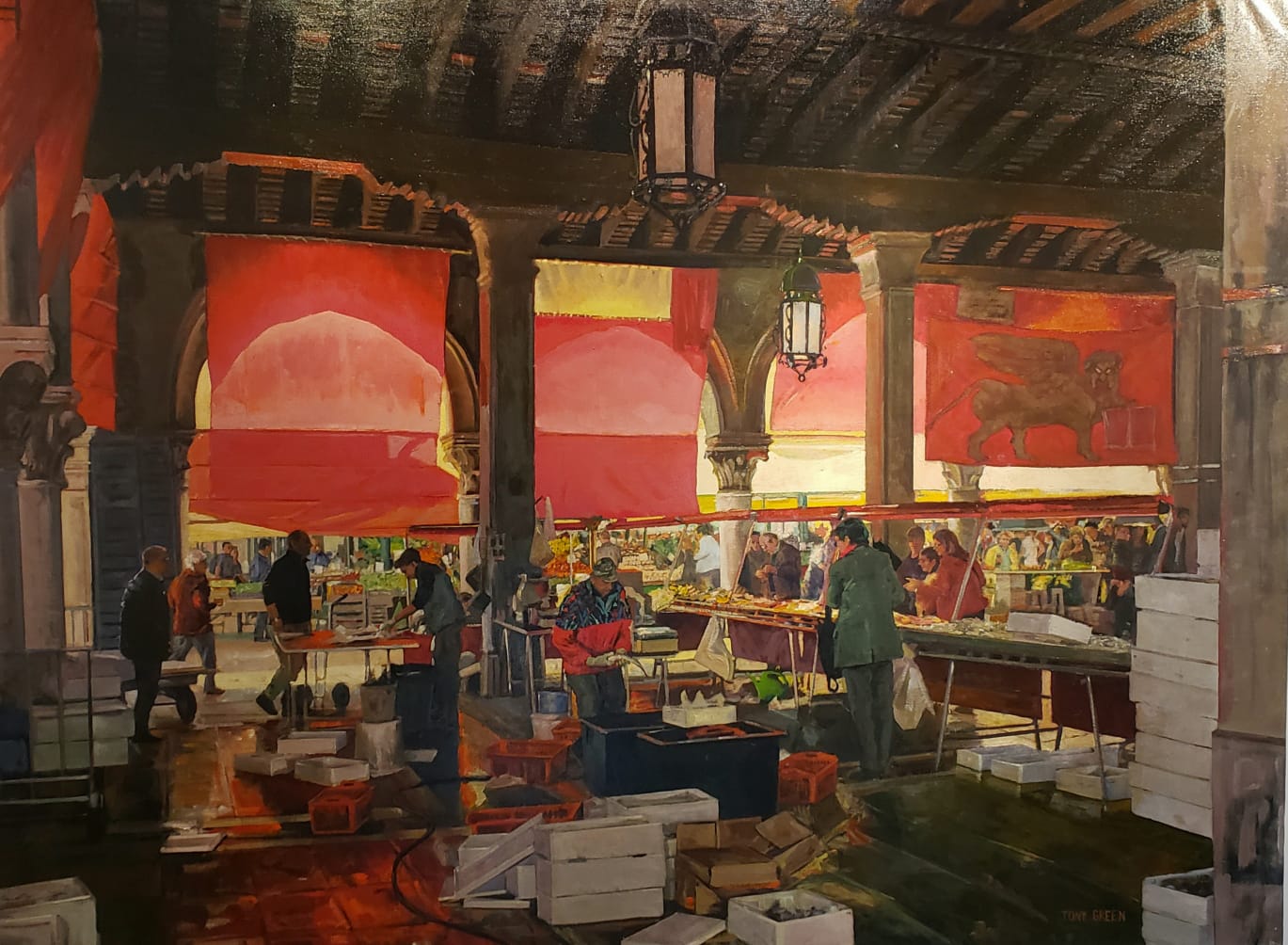
When selecting art in Scottsdale, the emotional resonance of a piece should guide your choices as much as the surface appeal or market trends. Honesty in selection means engaging with the artwork on a personal level, discerning how it reflects your values and what you want to communicate through your collection. For instance, consider how a piece by artist Tony Green might evoke memories, emotions, or aspirations. Rather than simply following popular opinions or the latest trends, think critically about what each work represents in relation to your own narrative and taste. This introspection not only heightens your appreciation of the art but ensures that your collection feels authentic.
Additionally, understanding the artist’s intent can inform your purchasing decisions and allow you to connect more deeply with the work. Researching background stories, techniques, and the creative process of artists like Tony Green enables you to make informed choices that resonate with your personal aesthetic and story. In doing so, you cultivate a collection not just as a tableau of decoration, but as a curated reflection of your journey and identity. This thoughtful approach transforms the act of investing in art from a mere acquisition into a meaningful dialogue with each piece you choose to bring into your life.
In assessing value, it’s pivotal to recognize the role of provenance. Knowing an artwork’s history—who owned it before and the journeys it has taken—can significantly enhance its worth. This is where resources like the Getty Provenance database become invaluable. They empower collectors to trace the origins of art pieces, providing reassurance and adding layers of significance to their investments.
Pro tip: Balance emotion with research.
- Investigate the artist’s background.
- Engage with the local art community.
- Trace the provenance of key pieces.
How this choice reshapes the spaces you move through
Choosing to invest in art transcends mere aesthetics; it alters the very essence of your environment. A thoughtfully selected piece can transform a dull room into a vibrant conversation starter, breathing life into both private spaces and shared ones. In Scottsdale, where architecture and art intertwine, every artwork holds the potential to create an emotional resonance, inviting viewers to reflect on beauty and meaning in everyday life.
Consider the emotional landscape of your home. Art can evoke memories, inspire creativity, and influence mood. A brilliant canvas capturing the warm hues of a sunset might not only brighten a living room but also kindle a sense of tranquility. The right piece can harmonize with your decor while also reflecting your personality, making each glance feel like a warm embrace.
Moreover, the presence of art nurtures connections. When hosting friends or family, an artwork might spark discussions that delve deep into personal stories or cultural explorations. The vibrant art scene in Scottsdale, highlighted during events like the Canyon Road showcases, fosters a community rich in shared experiences and interpretations. By surrounding yourself with meaningful pieces, you invite dialogue that enriches both your life and the lives of those you welcome into your space.
Art also serves as a visual narrative of your journey as a collector. Each piece tells a story—whether it’s a fleeting moment captured by an artist’s brush or a cultural commentary that resonates with current events. As your collection grows, so too does the tapestry of your experiences, reflecting the evolution of your tastes and the connections you’ve cultivated. Embracing this journey allows you to shape not just your spaces but also your personal narrative.
Owning your taste instead of chasing trends
In the dynamic art market of Scottsdale, owning your taste means prioritizing personal connection and emotional resonance over fleeting trends. Collectors are often inundated with the latest styles and popular artists, which can create pressure to conform to the prevailing whims of the moment. However, the true value in art lies in recognizing what genuinely speaks to you. This process involves reflecting on your experiences and emotions, allowing these insights to guide your selections rather than simply following trends dictated by the wider market.
When you embrace your unique perspective, you not only build a collection that feels authentic but also enhance your appreciation for the art you choose to display. Each piece becomes a part of your personal narrative, intertwining your tastes with the stories that resonate within the work. As you engage with the art community in Scottsdale, consider how different pieces evoke specific memories or emotions. This intentional approach cultivates a deeper understanding of value, transforming your collection into a meaningful expression of who you are and what you cherish, rather than a mere reflection of what is currently fashionable.
If you want to see the classical approach alive in contemporary work, you can browse the paintings or explore a commission—quietly, on your own terms.
Leave a Reply