
Sunlight filters softly through sheer curtains, casting a warm glow over a spacious living room adorned with thoughtfully curated pieces. A vibrant canvas hangs above a sleek mid-century sofa, while sculptures of varying textures rest on a polished wooden table, inviting conversation. Each artwork beckons with its own story, whispering the joys of discovery and the thrill of connection. It’s a space that feels alive, not merely decorated but intentionally crafted by choices that reflect the heart.
To assess value in art in Scottsdale, one must embrace a quiet understanding of the nuances at play—what stirs the soul, what resonates on a deeper level. Value extends beyond monetary worth; it lies in the emotional responses and personal significance that artworks evoke. True collectors know that honesty is at the core of their decisions; they invest not just in aesthetics, but in the narratives woven into each piece. It’s about recognizing signals in the art world, from provenance to the artist’s intent, and acknowledging the layers that contribute to an artwork’s worth.
This guide will navigate those subtle yet essential aspects of art valuation, drawing from earlier notes and experiences to illuminate the path for buyers seeking to make informed choices in their artistic journeys.
What assess value in art signals about you
When considering how to assess value in art in Scottsdale, it’s essential to recognize what your choices tell others about you. Each piece you select becomes a reflection of your tastes, values, and even your aspirations. Art can signal sophistication and awareness, revealing not only what captivates you but also how you engage with culture. The selection process is more than transactional; it’s an expression of identity. Investing in pieces that resonate with personal ideals and aesthetics becomes a way to communicate who you are in a world rich with creativity.
Buyers often weigh factors like originality, condition, and provenance—these elements define not just the worth of an artwork, but also its story. A well-documented history can elevate a piece, making it more desirable among collectors. Consider how the artwork’s condition and scale fit within your space. A large, striking piece may become a conversation starter, while smaller works allow for a more intimate interaction. The dimensions matter as much as the narrative behind each brushstroke, and discerning buyers understand the delicate interplay between emotional appeal and tangible value.
Moreover, it’s crucial to reflect on how the artwork engages you over time. Does it hold your attention day after day, or does its allure diminish? The lasting impact of a piece can often outweigh its initial cost, turning art into an enduring investment. As you navigate the vibrant landscape of galleries and exhibitions, from the diverse offerings at local venues to the more established art districts like Canyon Road, remember that every choice you make is an investment in your own narrative and experience.
The gap between surface impressions and reality
A keen observer might wander through a gallery in Scottsdale, captivated by the vibrant colors and striking forms that leap from the canvas. Yet, the real value often lies beneath the surface, woven into the intricate layers of an artwork’s creation. Buyers should take the time to understand the context in which an artist creates, considering not just the aesthetic but also the artist’s intentions and the cultural narratives at play. This deeper insight can often transform a fleeting admiration into a thoughtful investment.
Exploring the provenance of a piece can illuminate hidden stories that contribute to its value. For instance, an artist’s exhibition history or critical reception can enhance a work’s appeal, influencing its worth among discerning collectors. Regular attendance at art fairs or engaging with local experts can provide new perspectives and help potential buyers discern which narratives resonate with their own collecting philosophy.
As art continues to evolve, so does the market’s perception of value. Current trends often shift in response to societal movements, impacting the desirability of certain styles or mediums. Savvy investors keep a pulse on these trends while also honoring their personal taste, creating a unique balance that reflects both current and future aesthetics. This approach allows for a more nuanced appreciation of art, transcending mere monetary value.
Pro tip: When considering an art investment, research the artist’s background and the artwork’s history.
- Explore exhibition records and critical reviews.
- Attend local gallery openings and discussions.
- Seek out expert opinions on market trends.
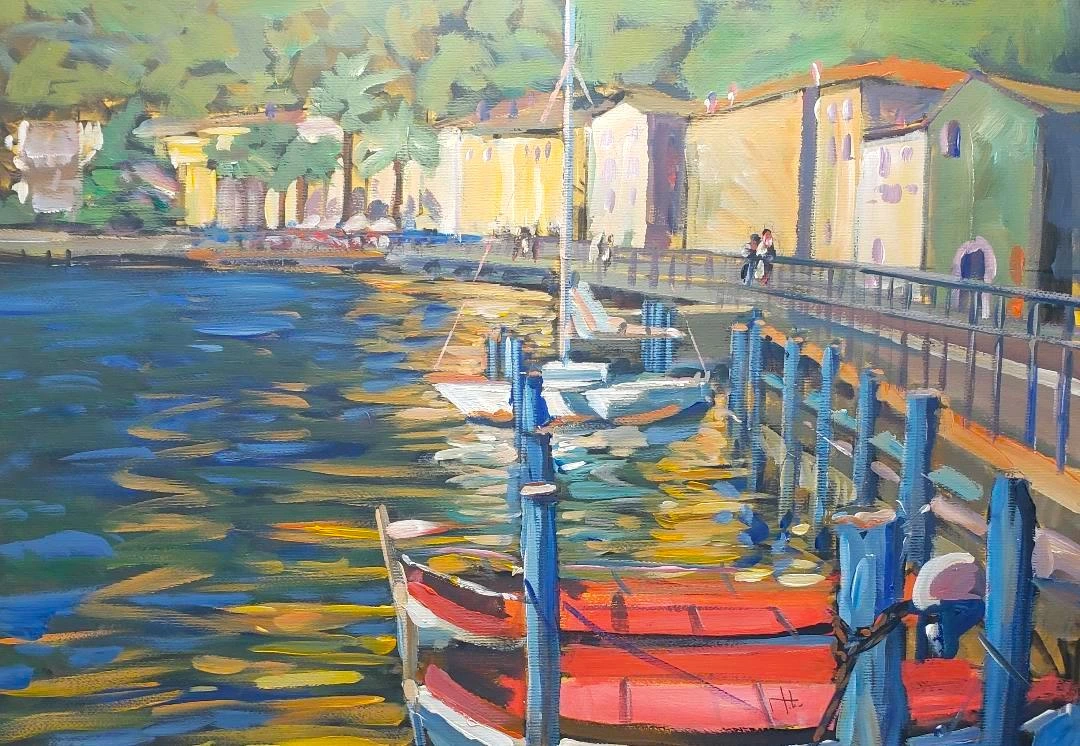
Choosing in a way that still feels honest
Choosing in a way that still feels honest becomes useful when it is treated as a decision rather than a mood. For a buyer considering how to assess value in art in Scottsdale, the practical test is to identify what in the work is carrying the response: composition, material, scale, surface, or the relationship among them. Name that visual evidence before asking what the work costs or how persuasively it has been presented.
In Scottsdale, compare that first response with ownership details that can be checked: medium and dimensions, condition, provenance, framing, and written sale terms. Then step away and return to the same question. If the visual case remains clear after the story and the pressure have faded, the choice is more likely to reflect durable judgment instead of borrowed enthusiasm.
Engaging with the local art community can further enrich your experience and decision-making. Gallery walks, such as those along Canyon Road, or attending exhibition openings allow you to converse with other collectors and gallery owners, gaining insights into emerging trends and artist backgrounds. These interactions can illuminate paths to artworks that align with your values, creating a deeper appreciation and understanding of your investment.
How this choice reshapes the spaces you move through
Art is more than just decoration; it transforms your environment and the way you experience it. A thoughtfully chosen piece can evoke emotions, inspire conversations, and even alter the atmosphere of a space. Imagine entering a room adorned with vibrant colors and compelling narratives—each artwork tells a story that resonates with both you and your guests. In Scottsdale, where the climate invites indoor-outdoor living, incorporating art that bridges these spaces creates a seamless flow, enhancing both tranquility and vibrancy.
Your selections are also a reflection of your identity and values. When you curate art that aligns with your personal narrative, you invite others to engage meaningfully with your space. This dialogue between the artworks and your life encourages a deeper exploration of themes that matter to you, whether they’re related to culture, nature, or personal history. For collectors in Scottsdale, the local art scene offers a rich tapestry of influences that can help shape your environment while fostering connections to the community.
Investing in art is not merely about the potential for monetary return; it’s also about the impact on your surroundings and daily experiences. Unique pieces can serve as focal points, sparking inspiration and creativity. When you encounter a favorite piece each day, it becomes part of your life’s rhythm, a source of joy and reflection that can influence your mood and productivity. The value of art, therefore, extends beyond metrics—it encompasses how it enhances the physical and emotional landscape you navigate each day.
Owning your taste instead of chasing trends
Amidst the ever-evolving art market, it’s all too easy to get swept up in the currents of trends. However, true collectors understand that lasting value lies in personal taste rather than fleeting popularity. In Scottsdale, where art reflects the vibrant culture, embracing your unique aesthetic fosters a deeper connection to the pieces you choose to acquire. By prioritizing what resonates with you, rather than what’s touted as “in,” you can cultivate a collection that has personal significance and emotional weight.
Artworks should feel like extensions of yourself, telling your story in colors, forms, and themes that speak to your soul. When you own your taste, every piece becomes a treasured part of your narrative, offering more than just aesthetic pleasure. Consider how the natural beauty of the Scottsdale landscape influences your preferences. The hues of a sunset, the textures of the desert, and the vibrancy of local culture can all inform your choices, leading you to discover artists whose work truly reflects the essence of your surroundings.
If you want to see the classical approach alive in contemporary work, you can browse the paintings or explore a commission—quietly, on your own terms.
Leave a Reply