
The sun filters through the sheer curtains of a spacious gallery, casting soft patterns on the polished wooden floor. Art pieces, each with its own story and emotion, are arranged thoughtfully along the walls. One canvas, vibrant yet serene, draws the eye—its colors alive with possibility. The ambiance hums with quiet admiration, as visitors pause, hands gently clasped behind their backs, allowing the artwork to speak for itself in this intimate moment.
Understanding value in art isn’t simply about price tags or investment potential; it revolves around perception, emotion, and authenticity. It requires a discerning eye to navigate signals that indicate worth beyond mere aesthetics. Honesty plays a crucial role here, whether you’re drawn to a piece for its visual impact or its deeper significance in the cultural tapestry. With so many factors to consider, a thoughtful approach can illuminate the path to meaningful choices, resonating with your personal taste while also aligning with the marketplace’s nuances.
As you explore the nuances of this vibrant art scene, remember that the process of assessing value is as much about introspection as it is about observation, echoing themes discussed in earlier notes about acquiring art in Scottsdale. Let’s delve deeper into the essential aspects of this artful journey.
What assess value in art signals about you
When contemplating a purchase, the artworks that resonate with you can reveal much about your values and outlook. Each piece carries a unique narrative, shaped by the artist’s intent and your personal interpretation. As you assess value in art in Scottsdale, consider what it means for you to own a piece of that story. Are you drawn to a work because it embodies originality, or do you favor pieces that reflect established traditions? This decision-making process speaks volumes about how you engage with art and the world around you.
The condition and provenance of an artwork are equally telling. A well-preserved piece with a clear history can add confidence to your investment, ensuring that it carries not just aesthetic appeal but also integrity. As collectors in Scottsdale navigate their choices, they often reflect on how these elements influence their connection to the art. Are you inclined to support emerging artists, or do you prefer works by established figures? The answers to these questions can guide your search and deepen your appreciation for the art you choose.
Scale also plays a significant role in the overall impression a piece makes. Larger works can command presence, while intimate pieces invite closer inspection. Both can hold equal value, depending on your living space and emotional inclinations. While exploring the vibrant galleries of Scottsdale, remember that your choices transform your environment and convey your aesthetic sensibilities to others. It’s an invitation to express your personality, transforming walls into an ongoing conversation about identity and values.
Ultimately, the art you choose should capture your attention long after the initial viewing. This enduring allure reflects not just the visual impact but also the emotional connection that can grow over time. Engaging with art in this way fosters a deeper relationship, enriching your life and surroundings, much like the experiences shared at cultural hubs like Canyon Road. This lens of introspection encourages a thoughtful approach, making the journey of selecting art as valuable as the pieces you ultimately acquire.
The gap between surface impressions and reality
For anyone considering how to assess value in art in Scottsdale, Fall Art Walk 2026 can make the local art conversation tangible. Notice how the work handles material, scale, and intent, then carry those observations back to the quieter buyer questions of originality, provenance, and whether a piece continues to hold attention beyond its first impression.
When stepping into a gallery in Scottsdale, the vibrant colors and striking compositions can often evoke immediate feelings of awe or intrigue. Yet, these initial impressions may not always tell the full story behind a piece. Art valuation involves examining factors such as the artist’s background, the context of the work, and its provenance. A surface-level attraction can be misleading; it’s crucial to dig deeper to understand what makes a piece valuable in the long term.
As buyers explore their options, familiarizing themselves with the nuances of art can enhance their decision-making. For example, the significance of an artist’s career trajectory and past exhibitions weigh heavily on a piece’s market performance. Emerging artists may offer affordability and potential for growth, while established figures often carry a proven history that can justify higher price tags. Engaging with the local art scene, such as at events like the local art event, can provide valuable insights into these factors, helping buyers make informed choices that resonate with their personal aesthetics and investment goals.
Moreover, the art market can fluctuate based on trends, collector demand, and cultural movements. Understanding these dynamics helps art lovers navigate their selections, ensuring they acquire pieces that not only appeal to them but also possess lasting value. It’s a delicate balance between personal liking and market viability—having this awareness can make all the difference when evaluating art in Scottsdale’s vibrant landscape.
Choosing in a way that still feels honest
When navigating the art market, a sense of authenticity in your choices can foster deeper connections to your collection. It’s not just about the investment; it’s the emotional resonance that a piece can evoke over time. As you browse local galleries or attend exhibits, look for artworks that stir something within you—pieces that tell stories or ignite memories. This personal connection can often lead to wiser investment decisions, as art that resonates will likely hold its value beyond mere market trends.
Additionally, consider the context in which the work is created. The narratives surrounding an artist, their environment, and their technique can all contribute to the piece’s value. Engaging with an artist’s biography, for instance, can reveal motivations that enhance the understanding of their work. Whether it’s a visit to see an exhibition at a renowned venue like the O’Keeffe Museum or discussing a piece with fellow collectors, immersing yourself in the wider art culture can illuminate nuances that inform your choices.
As you weigh financial considerations alongside emotional appeal, it’s helpful to remember that investing in art is not a sprint; it’s a marathon. Trends may come and go, but a well-curated collection grounded in authenticity tends to stand the test of time. Searching for distinctive pieces that reflect your taste can lead to a rewarding journey in both personal and financial terms, enabling you to build a collection that feels true to you.
A 90-second checklist for serious buyers
When assessing value in art, especially in Scottsdale, it’s essential to start with a clear understanding of your own aesthetic preferences. Begin by evaluating the emotional connection you feel towards a piece: does it evoke a strong response? Next, consider the artist’s reputation and the context in which their work has been created. Researching the artist’s background, previous exhibitions, and sales history can provide insights into the potential appreciation of their work over time.
Additionally, pay attention to the quality of materials used and the craftsmanship involved. High-quality art is often defined by its longevity and the skill required to create it, which can add to its value. Furthermore, consider the artwork’s provenance and documentation, as a verified history can significantly enhance a piece’s worth in the eyes of future buyers. By combining personal resonance with informed market knowledge, serious collectors in Scottsdale can make more confident decisions in building a collection that reflects both their taste and investment potential.
- Document emotions tied to specific artworks.
- Record where you saw the pieces and their context.
- Use this journal for future reference and reflection on your personal taste.
How this choice reshapes the spaces you move through
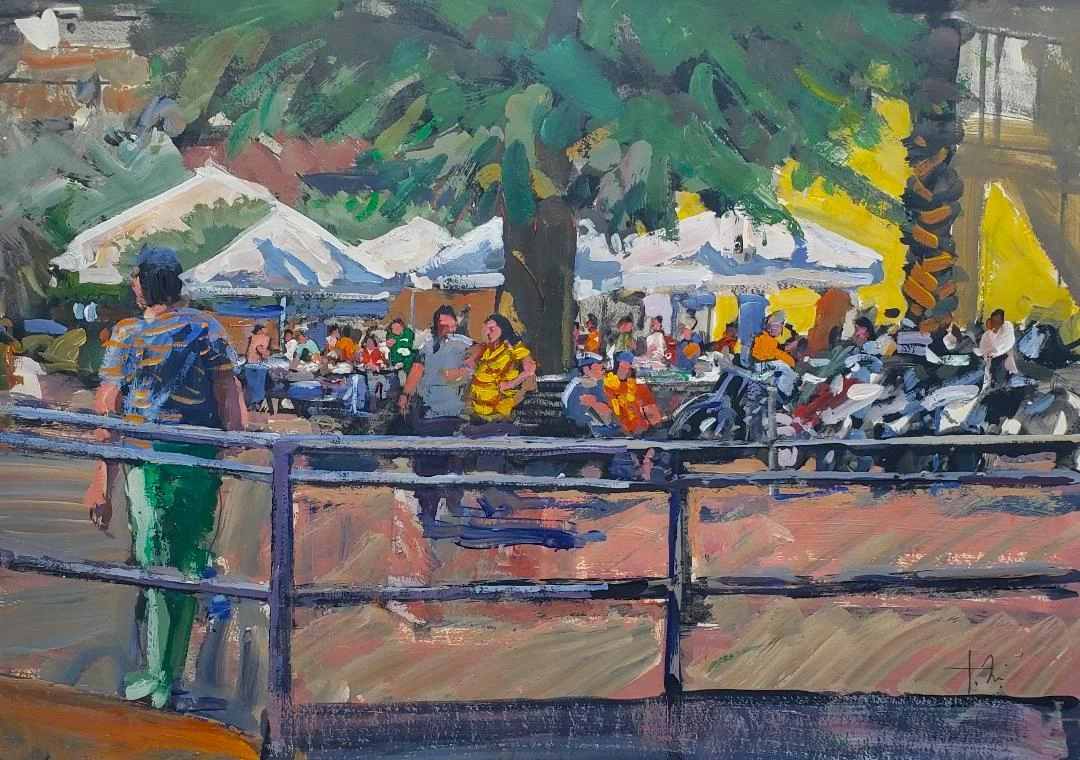
The artworks you choose to bring into your home or workspace become part of your environment, influencing the ambiance and emotional tone of the spaces you inhabit. Imagine stepping into a living room adorned with a striking piece by artist Tony Green; its vibrant colors could spark conversations and ignite creativity. Every brushstroke tells a story, and each piece can transport you, grounding you in a certain mood or memory. The right artwork transforms walls into reflections of personality, inviting guests to linger a little longer in appreciation.
This choice extends beyond personal enjoyment. It can influence how friends and family perceive your tastes and values. A thoughtfully curated collection can signal an appreciation for contemporary art or a connection to specific themes like nature or abstraction. Buyers considering art in Scottsdale should recognize that artworks often serve as both conversation starters and personal statements, shaping interactions in your space and guiding the atmosphere.
Moreover, the investment in art isn’t solely about its monetary value; it’s also about the experience and connection it fosters. Each piece becomes a chapter of your story, a reminder of moments that matter. As you consider your options, remember that art can evoke feelings of joy, introspection, or nostalgia—elements that resonate deeply within the fabric of daily life. Seeking out sources like the Canyon Road can help you identify pieces that align with your vision and values, leading to a collection that is both personally meaningful and potentially valuable in the long term.
Owning your taste instead of chasing trends
In the world of art collecting, particularly in a vibrant market like Scottsdale, the importance of personal taste cannot be overstated. Instead of merely following trends dictated by popular opinion or market fluctuations, collectors should focus on what resonates with their own aesthetic preferences and emotional connections to the pieces they choose. By cultivating a unique collection that reflects individual taste, collectors not only enhance their living spaces but also create a gallery that tells a personal story, ultimately increasing emotional satisfaction and intrinsic value.
Moreover, understanding one’s taste enables collectors to appreciate artworks in a more profound way. For instance, appreciating the intricacies of artist Tony Green’s work, which may evoke specific feelings or memories, can lead to a deeper understanding of its value beyond the surface price. This approach encourages collectors in Scottsdale to educate themselves about different styles, mediums, and historical contexts, allowing them to make informed choices that are aligned with their personal vision rather than fleeting market trends. In essence, owning your taste empowers you to make authentic selections that resonate on a personal level, creating a collection that is both meaningful and potentially valuable over time.
If you want to see the classical approach alive in contemporary work, you can browse the paintings or explore a commission—quietly, on your own terms.
Leave a Reply