
The warm glow of the afternoon sun spills through the large windows of a downtown Scottsdale gallery, illuminating the rich textures of canvas and the delicate curves of sculpture. As you wander through the space, the air carries a subtle mix of paint and varnish, blending with the hum of quiet conversations between art enthusiasts. Each piece tells a story, but not every story is worth the price tag attached to it. With a discerning eye, you can navigate this vibrant market without letting emotion cloud your judgment.
Understanding the nuances of art buying becomes essential when considering an investment. Taste isn’t merely about preference; it’s about embracing honesty in your choices and recognizing the signals that suggest true value. This guide delves into the quiet rules that can help you avoid overpaying for art in Scottsdale, shining a light on how to discern worth amidst the aesthetic allure—from the provenance of the piece to the artist’s reputation, and the subtleties of the gallery environment.
As you explore these insights, you’ll find echoes of the earlier notes that highlight how to navigate this captivating world with confidence and clarity, ensuring each acquisition is a meaningful addition to your collection.
What avoid overpaying for art signals about you
A careful approach to art buying speaks volumes about your values as a collector. A discerning eye not only seeks aesthetic pleasure but also prioritizes authenticity, condition, and provenance. Understanding these elements helps distinguish between a worthwhile investment and an overpriced piece. When you take the time to research an artist like Tony Green, you’re showing a commitment to quality that resonates with both personal satisfaction and future value.
Paying close attention to the history behind each work can signal a deeper engagement with art culture. Provenance, the record of an artwork’s ownership, adds layers of meaning and security to your purchase. This vital aspect often determines how an art piece is perceived in the market and can affect its resale potential. Collectors who appreciate the stories behind the works are less likely to make impulsive decisions, allowing them to avoid overpaying for art in Scottsdale.
Moreover, scale and condition matter significantly. A large, striking piece may command a higher price, but if it doesn’t fit your space or align with your taste, it could become an unfulfilled investment. Conversely, an artwork that captivates your attention for years can be worth its weight in gold, regardless of size. Choosing pieces that resonate with you, rather than those dictated by trends, ensures your collection remains personally meaningful. As Scottsdale’s vibrant art scene continues to evolve, the informed buyer stands out, ready to embrace art that not only decorates walls but also enriches lives.
The gap between surface impressions and reality
For anyone considering how to avoid overpaying for art in Scottsdale, Fall Art Walk 2026 can make the local art conversation tangible. Notice how the work handles material, scale, and intent, then carry those observations back to the quieter buyer questions of originality, provenance, and whether a piece continues to hold attention beyond its first impression.
Without a keen eye, it’s easy to mistake a flashy gallery for a genuine art experience. Scottsdale’s art scene, while vibrant and visually stunning, can sometimes mislead buyers seeking true value. Many enter galleries dazzled by the presentation, only to find that the glamor doesn’t always correlate with artistic merit or investment potential. A discerning approach demands looking beyond the surface, understanding the nuances of each piece, and valuing authenticity over aesthetics.
Engaging with the community can enhance this understanding. Events like the local art event draw audiences not just to see but to connect. Such gatherings offer a chance to converse with artists and fellow collectors, unlocking insights that can inform purchasing decisions. Conversations reveal the stories behind the art and the intricacies of the market—elements often overlooked in the hustle of a gallery visit.
Evaluating an artwork’s context is equally crucial. Consider the cultural underpinnings that inform an artist’s work and how they resonate within the local landscape. Collectors who seek deeper connections with the pieces they acquire are better positioned to appreciate true value—both personal and financial. The red flags of overpricing often appear when superficial details overshadow this richer narrative. Understanding the broader context not only enriches your collection but also safeguards against overpaying in a competitive market.
Choosing in a way that still feels honest
When navigating the Scottsdale art scene, making choices that resonate with your values and aesthetic preferences is critical. This involves not only selecting pieces that speak to your personal taste but also ensuring that the prices reflect the artwork’s genuine value. A pivotal aspect of this process is doing your homework: researching the artists, understanding their market positions, and recognizing factors that contribute to their valuation. For instance, the provenance of a piece, its condition, and the artist’s career trajectory can all influence pricing significantly. Collectors should ask questions about the work’s history and seek insights into the artist’s recognition within the art community, while also being wary of inflated prices that might stem from trends rather than substance.
Moreover, it’s vital to cultivate an honest dialogue with gallery owners and dealers. This environment should not only be a space for transactions but also one for education. A trustworthy gallery will offer transparency regarding pricing and provide context for the artworks they showcase. Engaging in discussions about the pieces can illuminate the nuances behind their creation and market worth. By fostering these relationships, collectors can feel confident that their acquisitions are well-informed decisions that align with both their artistic aspirations and investment goals, ultimately leading to a collection that is both satisfying and financially sound.
A 90-second checklist for serious buyers
A 90-second checklist for serious buyers becomes useful when it is treated as a decision rather than a mood. For a buyer considering how to avoid overpaying for art in Scottsdale, the practical test is to identify what in the work is carrying the response: composition, material, scale, surface, or the relationship among them. Name that visual evidence before asking what the work costs or how persuasively it has been presented.
In Scottsdale, compare that first response with ownership details that can be checked: medium and dimensions, condition, provenance, framing, and written sale terms. Then step away and return to the same question. If the visual case remains clear after the story and the pressure have faded, the choice is more likely to reflect durable judgment instead of borrowed enthusiasm.
How this choice reshapes the spaces you move through
Art has the transformative power to define not just your personal space but also the emotions and narratives that play out within it. When you choose a piece that speaks to you, it becomes an integral part of your everyday life, influencing the atmosphere of your home or office. The colors, themes, and textures of the artwork can evoke feelings of peace, inspiration, or even contemplation, creating a sanctuary that reflects your identity. In the vibrant setting of Scottsdale, where creativity thrives, selecting the right piece can turn a simple room into an immersive experience.
Consider how art can reshape public spaces and community interactions. Collectors in Scottsdale often find inspiration in local exhibitions and events, such as the engaging art shows that draw visitors together. These gatherings not only showcase individual artists but also foster a sense of community and shared appreciation for creativity. Art has the capacity to spark conversations and connections, making your investment not just a private endeavor but a contribution to the broader cultural fabric.
As you explore options, think about the stories behind each piece. The provenance of an artwork can enhance its value and significance, creating a deeper connection between the piece and your personal journey. Understanding the historical context and the artist’s inspirations can make owning a work more meaningful. Investigating details about the artist, such as their previous exhibitions or influences, can also provide insight into the lasting appeal of your investment. This approach aligns well with the practices of discerning collectors who value both aesthetic and narrative depth in their choices.
Owning your taste instead of chasing trends
In the vibrant art scene of Scottsdale, it’s vital to cultivate a personal aesthetic that resonates with your own sensibilities rather than simply following fleeting trends. Trends in the art world can be tempting, luring collectors with the promise of quick returns and social prestige. However, these trends often lack the depth and timeless appeal that come from genuine appreciation. When you own your taste, you prioritize meaningful connections to the pieces you choose, focusing on how they resonate with you personally rather than how they fit within the current market buzz.
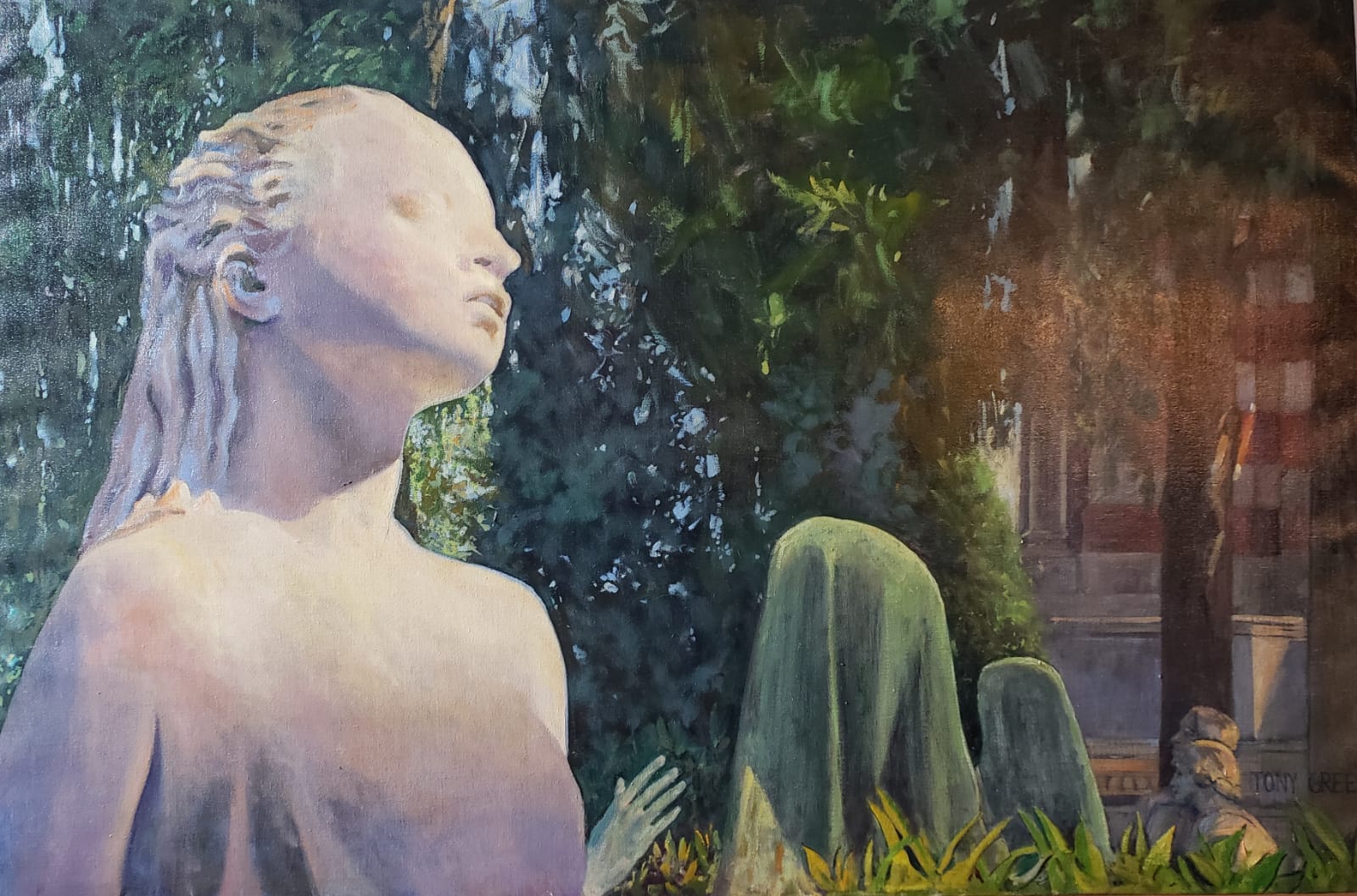
By honing in on what truly speaks to you, you empower yourself to make more informed decisions when navigating Scottsdale’s diverse galleries. This self-awareness not only helps you avoid overpaying for art but also fosters a more enriching collecting experience. Engaging with artists like Tony Green and exploring their narratives can deepen your understanding and appreciation, allowing you to invest in pieces that genuinely reflect your taste. In doing so, you can build a collection that is not only valuable but also deeply fulfilling, transcending the whims of passing trends and celebrating the artistry that moves you.
- Explore various galleries and exhibitions.
- Attend artist talks and workshops to gain insight.
- Trust your instincts when selecting pieces.
If you want to see the classical approach alive in contemporary work, you can browse the paintings or explore a commission—quietly, on your own terms.
Leave a Reply