
Sunlight spills through large windows, casting warm hues across the polished wood floors of an inviting gallery in Scottsdale. Paintings hang in thoughtful arrangements, their colors harmonizing with the soft palettes of the surrounding decor. The air is a blend of fresh coffee and the subtle scent of varnish, inviting you in to explore. Here, each piece tells a story, yet it’s easy to feel the pull of marketing and prestige that sometimes overshadows the art itself.
Understanding the nuances of buying art is essential to navigate this vibrant scene without falling prey to inflated prices. The best collectors approach the process with a blend of intuition and intellect, seeking art that resonates personally while recognizing the signals that may hint at a work’s true value. Honesty is key—both with yourself and the artists or galleries you engage with—as you sift through what genuinely speaks to your taste and what merely dazzles with the allure of exclusivity.
As you step further into the world of art acquisition, let’s explore the subtle signals and honest practices that will help you avoid overpaying for art in Scottsdale, echoing the insights shared in our earlier notes on mastering art buying.
What avoid overpaying for art signals about you
The choices made in art acquisition reflect both personal values and broader cultural engagement. Opting to avoid overpaying for art in Scottsdale is not just a financial decision; it signals a discerning taste and a commitment to authenticity. Collectors who prioritize originality and quality over market hype showcase an understanding of the nuances that make a piece truly valuable. They recognize that art, much like a fine wine, thrives on its provenance and the stories it carries—a thread that deepens with time and careful stewardship.
Condition plays a pivotal role in any investment. An artwork’s physical state can dramatically affect its value, and attentive buyers understand this. They appreciate the importance of examining each piece up close, looking for signs of wear or restoration that could diminish its allure. In Scottsdale’s vibrant art scene, it’s not uncommon to encounter pieces that have been meticulously cared for, their histories entwined with the local landscape. Buyers who grasp these details often find themselves with works that not only captivate their hearts but also hold their value over time.
Additionally, be mindful of scale and placement. An exceptional piece can transform a space, but it must also communicate harmoniously with its surroundings. The ability to envision art in your environment, taking into account the interplay of light and space, can prevent hasty purchases that may later feel out of place. Those who thoughtfully curate their collections, considering their personal aesthetic as well as the broader context of the art world, often find themselves with pieces that endure visually and emotionally.
For collectors in Scottsdale, attending events such as the renowned Canyon Road gatherings can offer invaluable insights into contemporary trends and artistic dialogues, enhancing your ability to make informed decisions. With each choice, you not only craft your own narrative but also contribute to the ongoing story of art’s evolution.
The gap between surface impressions and reality
Beneath the surface of vibrant galleries and bustling art fairs lies a landscape of complexities that can easily mislead even seasoned buyers. For those new to art collecting in Scottsdale, the excitement of discovering a stunning piece can obscure critical factors like provenance, the artist’s reputation, and market trends. Recognizing that an artist’s work may be celebrated in the moment but lack long-term appeal is essential for crafting a collection that appreciates over time. Each brushstroke carries not just aesthetic value, but also the weight of its history and the narratives woven through its creation.
The allure of contemporary works can sometimes mask underlying issues. Imagine falling in love with an eye-catching installation at a local exhibition, only to later learn that the artist’s previous pieces have significantly dipped in value due to fleeting trends. Engaging with established resources and platforms, like the O’Keeffe Museum, can lend clarity on artists’ trajectories and help navigate the sometimes murky waters of artistic value. Buyers should educate themselves on market fluctuations and stay aware of the artists’ current receptions among critics and collectors alike.
When contemplating art, context is key—both personal and cultural. Scottsdale is a melting pot of artistic expression, influenced by the surrounding desert landscapes and the rich tapestry of American art history. Understanding the cultural implications of a piece, as well as how it fits within your own life, can elevate your choices from mere decorations to meaningful investments. Balancing emotional connections with financial foresight is a delicate dance, yet one that can yield outstanding results when approached thoughtfully.
Pro tip: Invest time in researching before purchasing art.
- Attend local galleries and exhibitions to familiarize yourself with artists.
- Consult resources on art provenance and market trends.
- Consider the cultural context and how it resonates with your collection.
Choosing in a way that still feels honest
When selecting art in Scottsdale, it’s vital to maintain authenticity in your choices. This means recognizing artworks that resonate with your personal aesthetic rather than simply opting for pieces that are trendy or heavily marketed. By focusing on what speaks to you on a deeper level, you not only enrich your own space but also ensure that your investment reflects your unique taste. This introspective approach allows you to cultivate a collection that is meaningful, rather than one that merely impresses others or adheres to fleeting trends.
Additionally, engaging with artists and galleries in a genuine manner can enhance your art-buying experience. Ask questions about the pieces that intrigue you, seek out the stories behind them, and understand the context in which they were created. This level of engagement fosters a connection that can lead to more informed decisions, minimizing the risk of overpaying. Art should feel like a reflection of your values and interests, thus ensuring that your choices remain honest and fulfilling, both personally and financially.
Pro tip: When purchasing art, prioritize understanding the artist’s background and their work’s provenance.
- Research the artist’s previous sales and current reputation.
- Attend gallery openings and exhibitions to engage with the art community.
- Consider the cultural significance and personal connection of the piece.
How this choice reshapes the spaces you move through
The act of choosing art extends beyond mere decoration; it transforms your environment into a reflection of your values and tastes. Each piece you select becomes a conversation starter, a sentiment echoing in the corners of your home. Imagine a vibrant painting by artist Tony Green, its colors illuminating a dimly lit room, injecting energy into the space. Such choices have the power to reshape not only your surroundings but also how you and your guests engage within those spaces.
Art also serves as a bridge to deeper connections with the narratives that resonate within you. Selecting pieces that resonate with your personal journey or professional aspirations can enhance your living or workspace, weaving a tapestry of inspiration and motivation. This synergy can be particularly rewarding in a city like Scottsdale, where the local art scene thrives on innovation and cultural richness. Each brushstroke tells a story, inviting those who experience it to reflect on their questions and aspirations.
Engaging with art at a deeper level allows you to cultivate a collection that evolves with you. As you explore various artists and genres, you’ll find that the pieces you choose can enhance your understanding of art’s role in society, as well as its investment potential. This is particularly relevant in a dynamic environment such as Scottsdale, where the fusion of modern aesthetics and traditional influences creates a unique art landscape. By thoughtfully curating your collection, you’re not just acquiring art—you’re shaping the very essence of the spaces you inhabit.
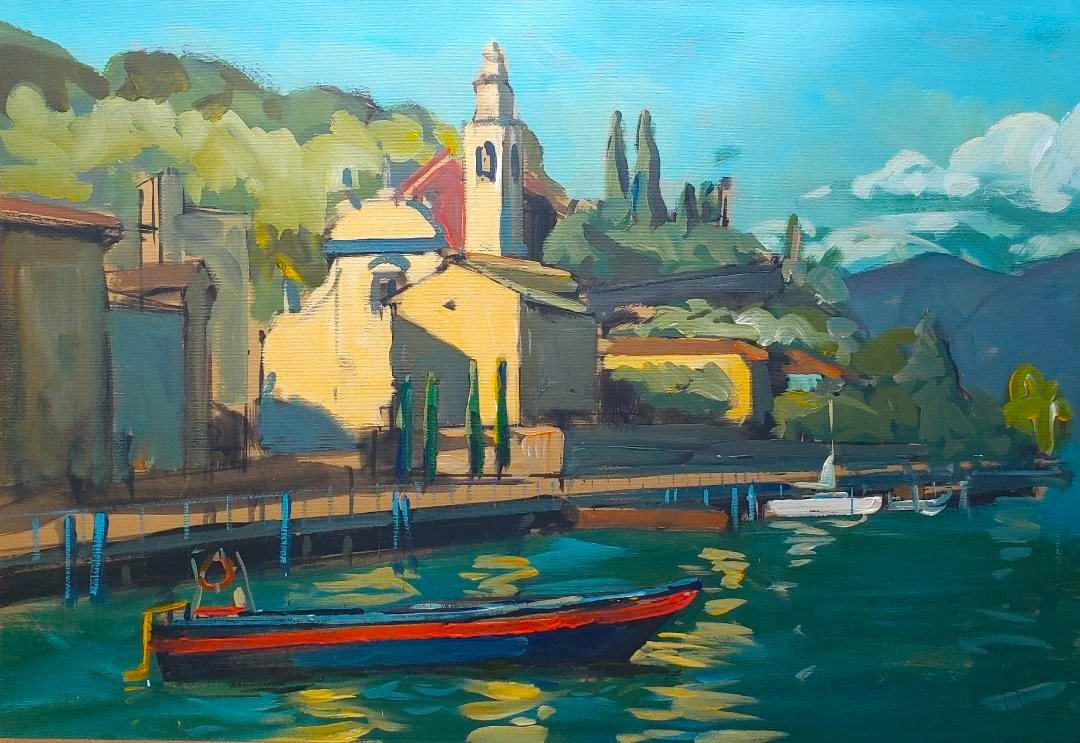
Owning your taste instead of chasing trends
In the world of art collecting, it is crucial to focus on personal taste rather than succumbing to fleeting trends. Many collectors in Scottsdale often find themselves drawn to pieces that carry the weight of current popularity, which can lead to inflated prices and a collection that lacks personal resonance. Instead of chasing what is deemed “in vogue,” invest time in understanding what truly captivates you. This deeper connection to the art not only enhances your enjoyment but also ensures that your collection reflects your own unique aesthetic, serving as a genuine extension of your personality and worldview.
Moreover, owning your taste involves strengthening your knowledge of the artists and styles that intrigue you. Researching the backstories of artists like Tony Green, for instance, can provide insights into their techniques and thematic choices, enriching your appreciation of their work. By cultivating your own informed preferences, you position yourself as a discerning collector capable of recognizing true artistic value amidst the noise of market trends. In Scottsdale’s dynamic art scene, where vibrant creativity intersects with commercial influences, embracing your individual taste will empower you to make wise purchasing decisions that stand the test of time.
If you want to see the classical approach alive in contemporary work, you can browse the paintings or explore a commission—quietly, on your own terms.
Leave a Reply