
The sun dips low over Scottsdale, casting a warm glow that dances across the walls of a modern living room. Thick textures of woven linen and soft leather contrast with sleek glass surfaces, creating a space that feels both inviting and refined. Yet, despite the care taken in selecting each element, there’s an uneasy tension in the air—the wrong piece of art hangs above the couch, a glaring mismatch that disrupts the harmony of the whole room.
Choosing art is an intimate act, one that should resonate with personal taste and aesthetic judgment, but it can also be fraught with missteps that lead to overspending. Understanding the quiet rules of the art market, recognizing the subtle signals of true value, and appreciating the honesty behind an artist’s work can guide buyers toward more informed decisions. It’s not merely about finding the right piece; it’s about ensuring that the investment reflects genuine worth rather than inflated prices.
In the spirit of enriching your experience, let’s explore the nuances of art purchasing through a lens that resonates with both enjoyment and prudence, touching on some earlier notes we’ve shared about navigating the Scottsdale art scene.
What avoid overpaying for art signals about you
Investing wisely in art is not just about the aesthetics or the emotions a piece evokes; it also reflects a buyer’s understanding of value. When collectors in Scottsdale focus on avoiding overpaying for art, it sends a clear message about their commitment to quality and authenticity. These buyers tend to research provenance and condition, seeking works that not only resonate with them but also offer tangible and lasting value. They know that a piece’s history, its journey through the art world, and its physical condition are all indicators of its worth.
Additionally, buyers who prioritize originality and thoughtful selection reveal a deeper appreciation for artistic expression. They recognize that art should captivate and engage, transcending mere decoration. By considering scale and context, these collectors ensure that each piece complements their space, maintaining the intended harmony of their environment. This attention to detail reflects a sophisticated taste and an informed approach to art acquisition.
Moreover, engaging with the local art community and attending events—such as the vibrant gatherings that often occur in Scottsdale—allows buyers to connect with artists and their narratives. This interaction enhances their understanding of the art landscape and equips them with insights that can serve as a safeguard against impulsive purchases. It’s about balancing passion with prudence, ensuring each acquisition genuinely enriches their collection and resonates within their personal narrative.
The gap between surface impressions and reality
Navigating the art world can often feel like traversing a landscape dotted with glittering surfaces, where the beauty of a piece can overshadow more critical elements that affect its value. Buyers may be drawn in by flashy displays or the latest trends, but understanding the underlying factors that contribute to a work’s worth is essential. Artists are continuously creating within their studios, and events like the local art event provide a platform for this dynamic exchange, allowing collectors to witness the evolution of art up close and engage with creators directly.
This interaction reveals the difference between surface impressions and the nuanced narratives that define true artistic worth. Art is not solely about aesthetics; it’s intertwined with the artist’s intent, technique, and the story behind each piece. Buyers who delve deeper into these narratives gain a holistic perspective, one that goes beyond immediate appeal and taps into a work’s historical and emotional significance.
Provenance and authenticity play crucial roles, too. An art piece’s journey from its origin to the current market can dramatically influence its investment potential. Collectors should seek transparent records of a piece’s history; resources like the Getty Provenance Project can guide them. Knowing where a piece has been lends insight into its value and future appreciation, ensuring that purchases are not just impulsive reactions but investments grounded in substantial understanding.
Choosing in a way that still feels honest
When exploring the art scene, it’s common to feel the pressure of making the right choice. Amidst vibrant galleries and bustling art fairs in Scottsdale, the atmosphere can be intoxicating. This excitement, however, should not cloud your judgment. Stepping back to assess the emotional connection you have with a piece—rather than its price tag—is pivotal. Art is deeply personal, and an honest choice resonates with your values and aspirations.
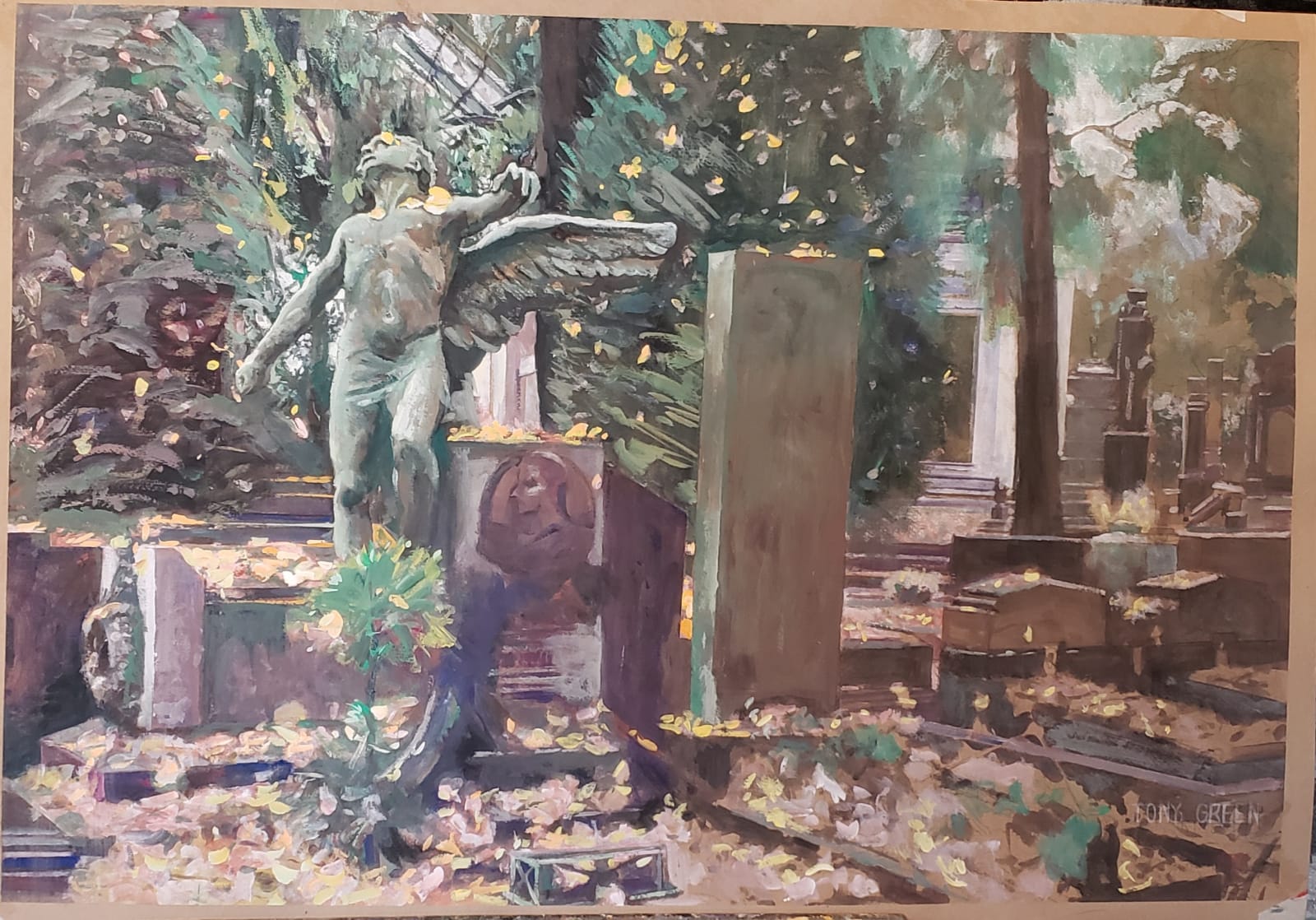
As you navigate potential investments, consider the broader context of the artist’s work and its relevance. For instance, an artist like Tony Green may employ unique techniques or themes that align with your aesthetic preferences or philosophical inclinations. Familiarizing yourself with an artist’s body of work can illuminate patterns that enhance your appreciation and, consequently, the piece’s value over time. Engaging with resources or events, such as exhibitions or artist talks, can deepen your understanding and connection, ultimately informing your decision.
Buyers often overlook the community aspect of art collecting. Connecting with other collectors can provide insights that inform your choices and help you understand market trends without being swept away by fleeting fads. Art communities frequently host discussions around investment strategies or best practices for discerning quality, making these conversations invaluable for anyone considering their next purchase.
Pro tip: Always trust your instincts when selecting art. Consider these points:
- Engage with the artist or gallery to understand the story behind the piece.
- Attend local art events to expand your perspective and network.
- Research the artist’s past works and sales history to gauge value.
How this choice reshapes the spaces you move through
The art you choose to incorporate into your life has an undeniable impact on your surroundings, transforming spaces into reflections of your personal narrative. Imagine entering a room adorned with vibrant colors and textures, each piece whispering stories that resonate with your experiences and aspirations. This harmonious environment fosters creativity and comfort, enhancing not just your space but also the emotional tone of your interactions within it.
When selecting art, consider how each piece interacts with the architecture and design of a space. A striking painting can become a focal point, drawing the eye and sparking conversation. In Scottsdale, where the landscape often serves as an inspiration, artists like Tony Green capture the essence of the local scenery, allowing your art collection to connect deeply with your environment. As this connection strengthens, the value of your collection may appreciate, both in financial terms and in personal significance.
Investing in art also cultivates a sense of community, particularly in vibrant locales like Scottsdale. Art events and exhibitions frequently spotlight emerging talents and established artists alike, offering opportunities to engage with fellow collectors and artists. This communal aspect not only enhances your understanding of the art market but also encourages you to see your collection as part of a larger dialogue.
Pro tip: When choosing art, consider how it complements both your personal style and the aesthetics of your space.
- Visualize the art in your home before buying.
- Think about the emotional response a piece evokes.
- Engage with local galleries to explore diverse options.
Owning your taste instead of chasing trends
Art is a reflection of personal taste, shaped by experiences, emotions, and aspirations. Rather than following fleeting fashions, consider what resonates with you on a deeper level. This approach not only cultivates a collection that feels authentic but also helps in navigating the art market with confidence. Remember, trends come and go, but the art you choose should tell your story, not someone else’s.
When browsing galleries and exhibitions in Scottsdale, focus on pieces that evoke genuine emotions or memories. Perhaps a vibrant landscape by an artist like Tony Green brings to mind cherished moments spent outdoors, or a striking abstract piece invokes a sense of wonder. These connections enhance the value of your collection, making it not just an investment but a personal treasure.
The unique art scene here offers a diverse range of styles and mediums, from contemporary works to traditional pieces. Engaging with local artists and galleries can help you discover hidden gems that align with your taste, ensuring that your collection is both unique and meaningful. The Canyon Road area is an excellent place to start, showcasing a variety of artistic expressions that can inspire your journey.
If you want to see the classical approach alive in contemporary work, you can browse the paintings or explore a commission—quietly, on your own terms.
Leave a Reply